So This Is 61: Notes on Aging From the Inside Out

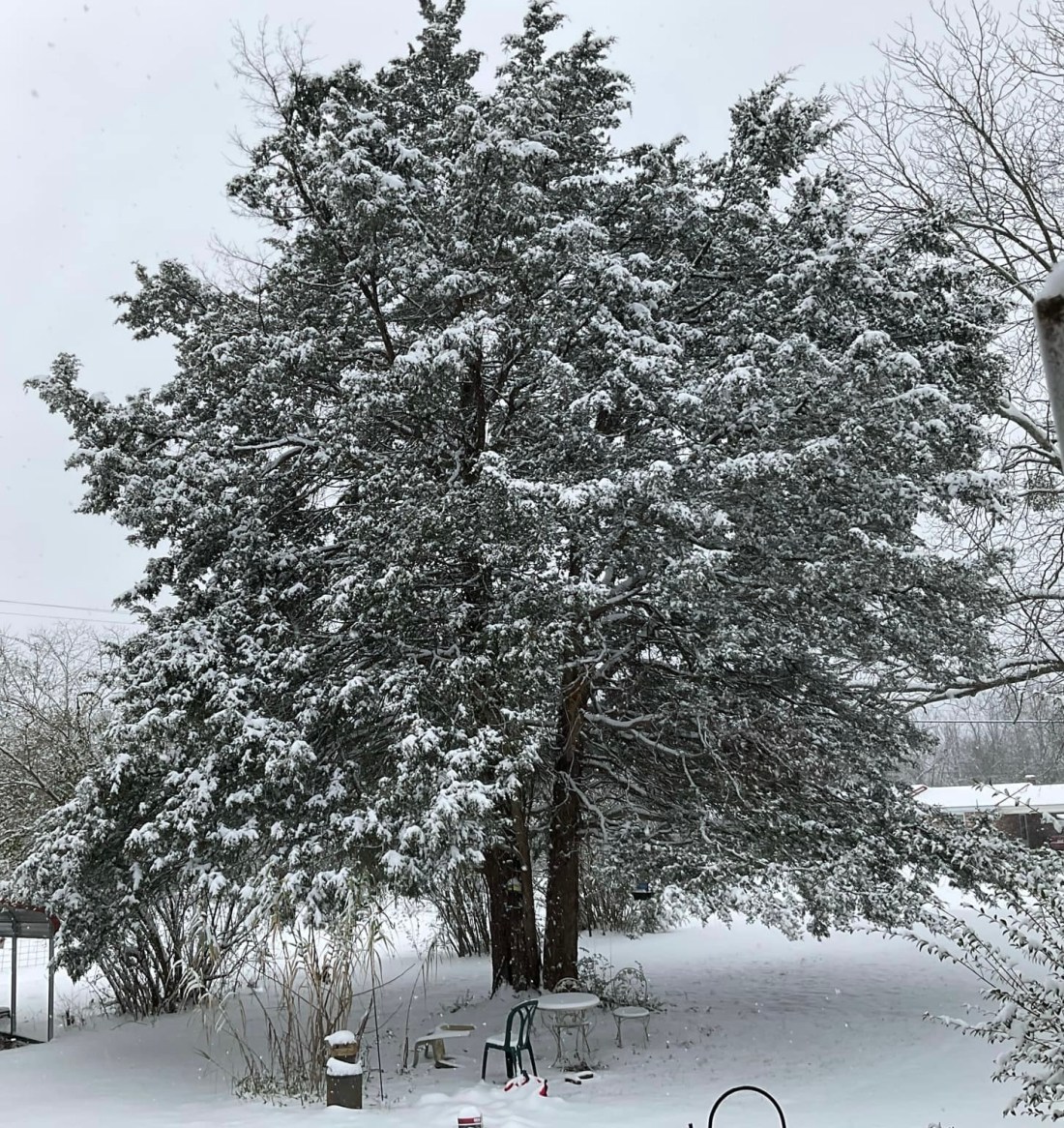
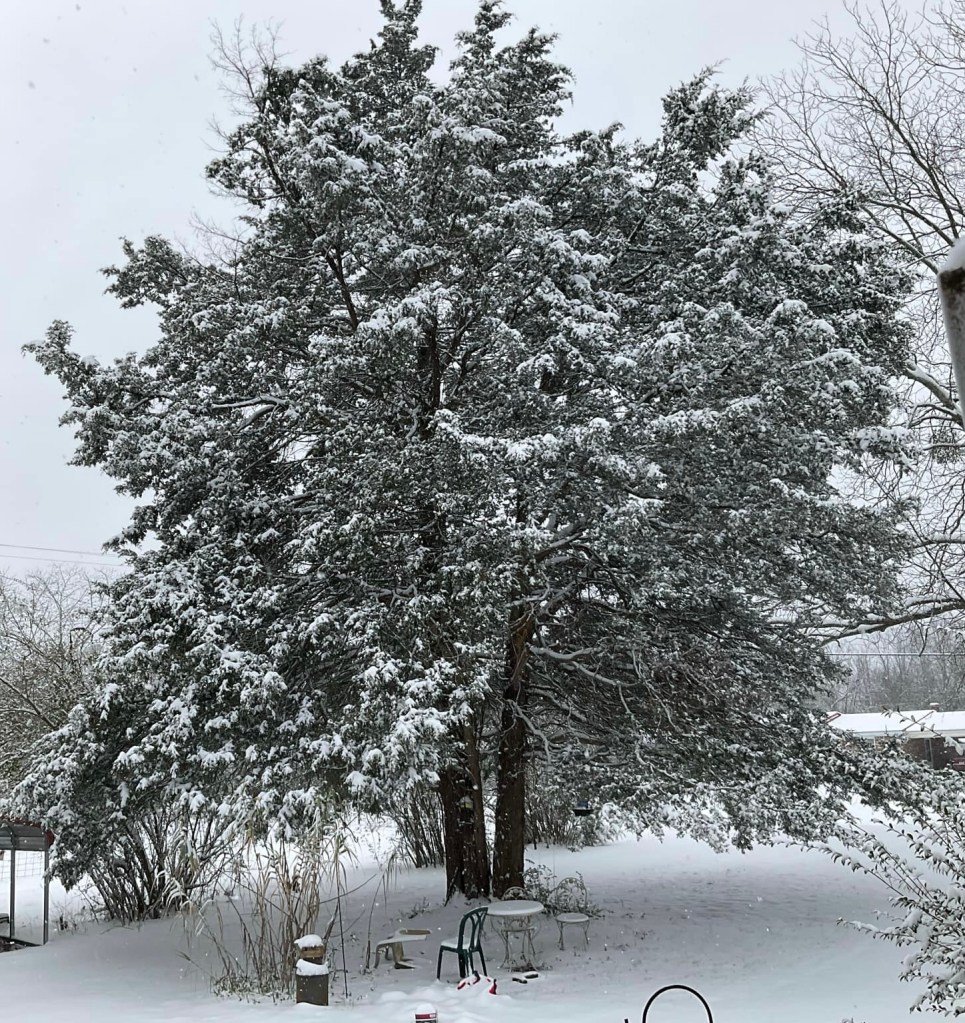
Image of snowy tree, Littleville, Alabama.

So This Is 61: Notes on Aging From the Inside Out

I didn’t expect to notice it all at once. Nobody tells you that one day, getting out of a chair will require a full mental and physical commitment. Or that you’ll avoid driving at night because headlights are now earthly starbursts. Or that the first time you wake up with a stiff neck, you’ll briefly wonder if you also have a brain tumor, because the sharp pain shoots all the way up into your temple. Of course, it’s just how you slept, but the thought still crosses your mind. My neck now cracks so hard I sometimes wonder if others can hear it. This is all new.

These are notes from those realizations—honest reflections of what 61 feels like, from the outside in and the inside out.

Oh. And who IS that old woman staring back at me in the mirror?

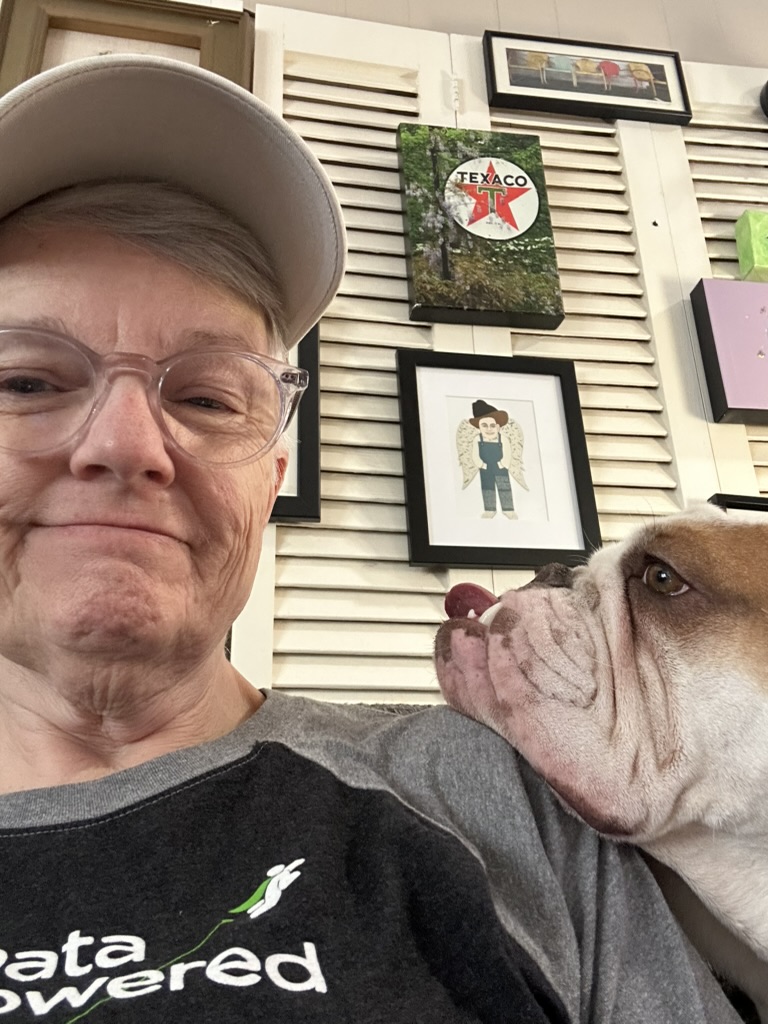
Image of Ugena Whitlock and bulldog.
Who is that old person being lovingly gazed at by Bruno the bulldog?

Aging is full of these little surprises—some unsettling, some mildly amusing, and some that require a good stretch, a heating pad, and a moment of reflection. I am learning, slowly, to embrace it all. I’m slowing down, but not shutting down. Sixty is NOT the new 90, as Sarah likes to suggest to me. If anything, I’m rediscovering the joys of having time to potz around the house, sort through old pictures, take the dogs for walks, and drive my Miata around Spartanburg like it’s my own personal victory lap.

I have less—less urgency, less need to accumulate things—but I also have more. More awareness, more gratitude, more quiet moments of contentment. Don’t get me wrong, I’ll still upgrade to the latest iPhone every couple of years and buy accessories for the Miata and Mini Clubman, but there’s nothing I can think of that I truly need. That’s an unsettling realization, not because it signals loss, but because it signals a kind of peace. I’ve been asked whether this feeling means I’m depressed. I don’t think so. If anything, it feels like clarity, like a settling in—like I’m moving toward a place where I don’t have to chase after the next thing. I haven’t arrived there yet, but I can tell a difference.

Image of people singing in church, Littleville, Alabama.
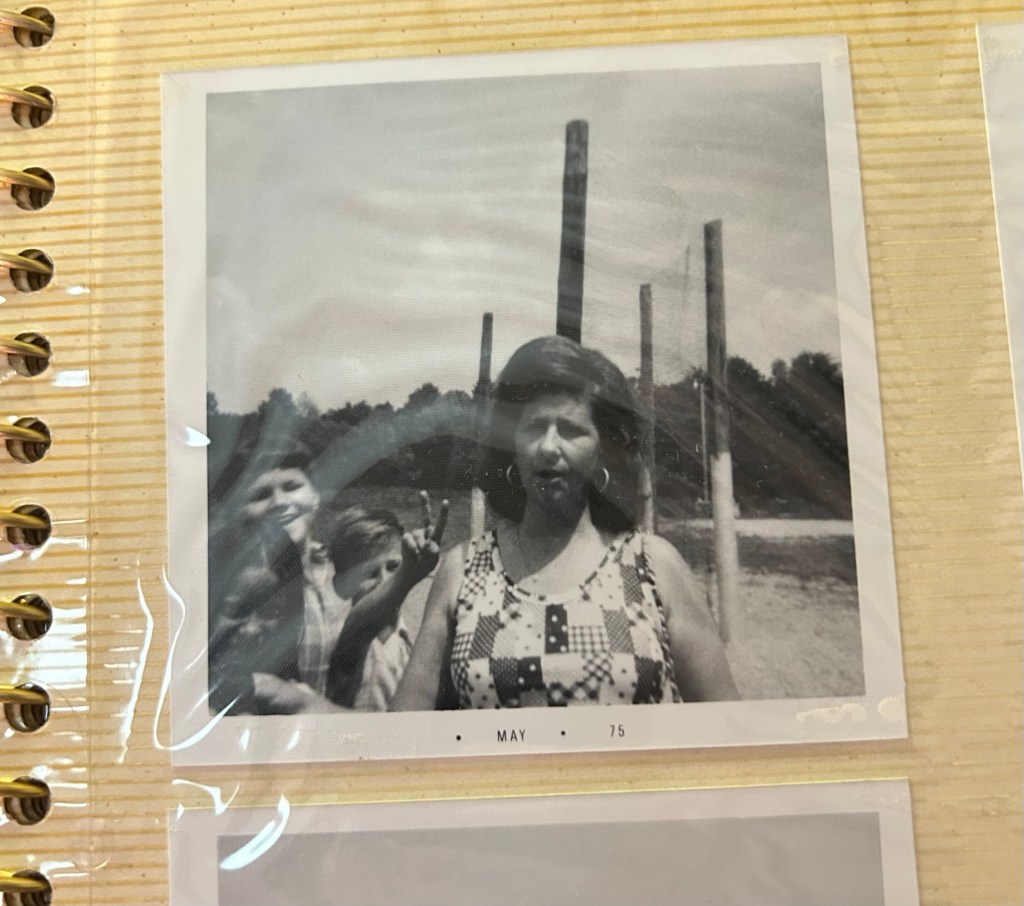
Blurry picture I snuck while Daddy is leading a song at church on Singing Night.

Aging isn’t just about collecting years; it’s about collecting perspective. There is wisdom in learning what to hold onto and what to let go of and in understanding that urgency is often self-imposed. It is true that contentment is “not about having what you want but wanting what you have”–that is, it’s in perspective. I remember when I was about 9 years old, I stood by eavesdropping, as children do, when Mother and Daddy were visiting with the preacher after Sunday night church. I don’t know how the conversation turned toward me–probably because I tried to join in the adult’s conversation. But I still recall Daddy telling the preacher, “Ugena can’t be content.” Even then, I wanted the next thing, to go to the next place–I just plain wanted. I realize now it’s a quality that must be cultivated. I am working on it.

I’ve learned that not every battle is worth fighting–not every hill is one to die on. Very few are. And against a life of doing otherwise, I’ve come to understand that silence can be more powerful than a quick, clever retort (which, I admit, is a talent of mine). Although Sarah probably say it’s taking too long, I’m also learning to take myself less seriously–to laugh at myself when I can.

And yet, aging isn’t just about accumulating (waiting patiently for?) wisdom—it’s also about watching my body become a stranger to me. The aches, the slower reflexes, the shifting body shape that seems to have a mind of its own. And let’s not even talk about hair loss and the horrifying reality of what gravity does to internal organs. I wonder if everybody, like me, sees someone and thinks “old person,” only to discover that she or he is younger than I am. I die a little on the inside when that happens, and it does regularly.

I’ve inherited certain characteristics from my father—beyond just looking more and more like a little old man every day. If I’m not careful, I can be short-tempered and convinced my way is obviously best. I don’t always filter my thoughts the way I should—not snapping, exactly, but sometimes speaking too bluntly, unaware in the moment of how my words might land. And yet, also like him, I’ve also mellowed. I am more nostalgic, more sentimental, more conscious of time slipping through my fingers like sand. I find joy in familiar places, in the sound of a bird’s song. I think I am figuring out the face in the mirror. It’s starting to look like me. The trick is learning to love the aging face.

When I married at 18, I could imagine “50 years from now.” Now, I understand, in a way I didn’t before, that the time ahead is finite. There’s an end of the road. My parents, whose mortality would have been unimaginable to me 20 years ago, are fading—fragile, frail. My father still has a prolific memory of a shirt he was wearing when he was talking to a particular person at a specific place in 1957 while a specific song played on the radio, but he struggles to remember which channel is which on the TV. My mother, who was heavy-set all my life, is growing thin. It’s probably healthier, but it’s startling to me. Even the house, now 50 years old, is a little less kempt, as houses tend to become when the priority is simply to live in them rather than maintain them. These things are bittersweet to see.

There’s a void where the future used to be. I can’t plan for 50 years down the road anymore. Twenty years, maybe. Ten, certainly (no, not certainly, more…hope-fully). But the open-ended future that once stretched ahead indefinitely has become something else entirely. Maybe the saddest thought—and why do I allow my ruminations to go here—is that one day, not too far into the future, the last people on earth who call me by the nickname that Daddy pronounced upon me when I was born, will be gone. He and Mother call me Miss Bean. I’ll never hear it spoken naturally to me again. This is, by the way, a very Daddy way of thinking, and I have to stop it. It’s dangerous, depressing, and yet, sometimes, it sneaks in anyway.

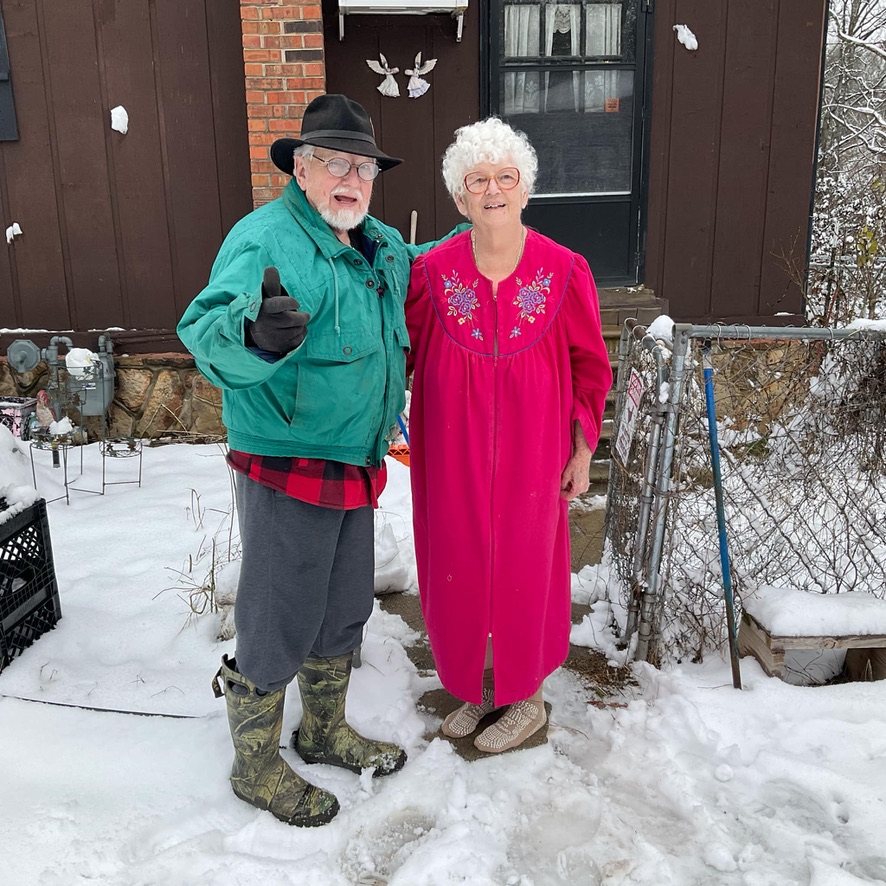
Image of old folks in winter, Littleville, Alabama.
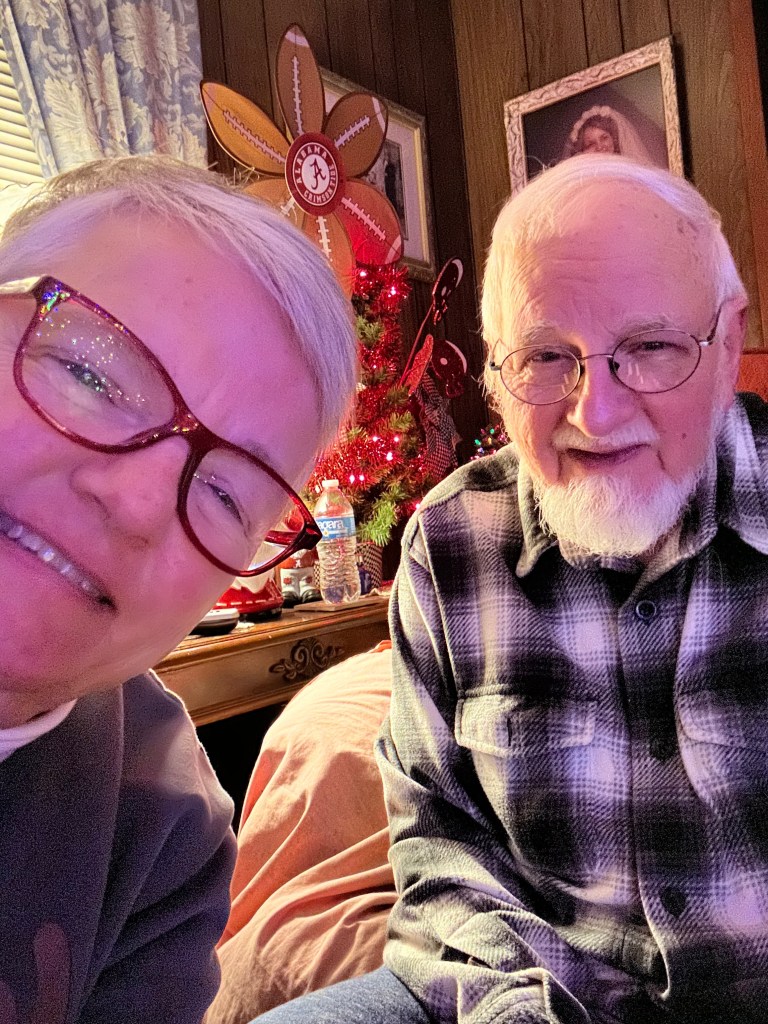
The Whitlocks outside the house to show the snow. Not used with permission, but I’ll take my chances.

And yet, there is joy to be found in all of this. There is humor. There is, finally and blessedly, contentment. There is the deep love I have for my family–and a conviction to see every minute they are in the world as a gift. Time doesn’t march on–that heifer tears out like her tail is on fire. Aging isn’t a slow march toward irrelevance—it’s a shift in focus, a new way of seeing. I am still learning, still growing, still moving—albeit with a few more creaks and groans along the way. And in the meantime, I’ll keep driving my Miata and cracking my neck like like a walnut. I’ll keep striving toward the Big Three attributes of sanity: gratitude, contentment, and humor as I remind myself that I’m still here. And I’m still going.

Image of snowy tree, Littleville, Alabama.
Ice and snow on the remains of the old cedar tree at home, Littleville, Alabama.

Remembering the Teachers Who Inspired Me, Part 2

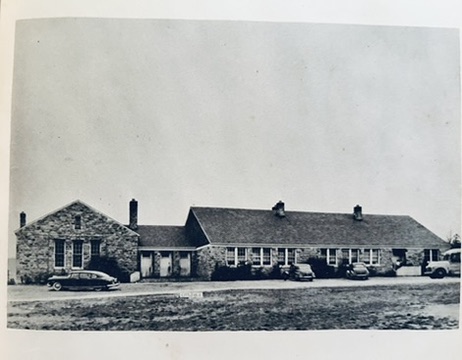
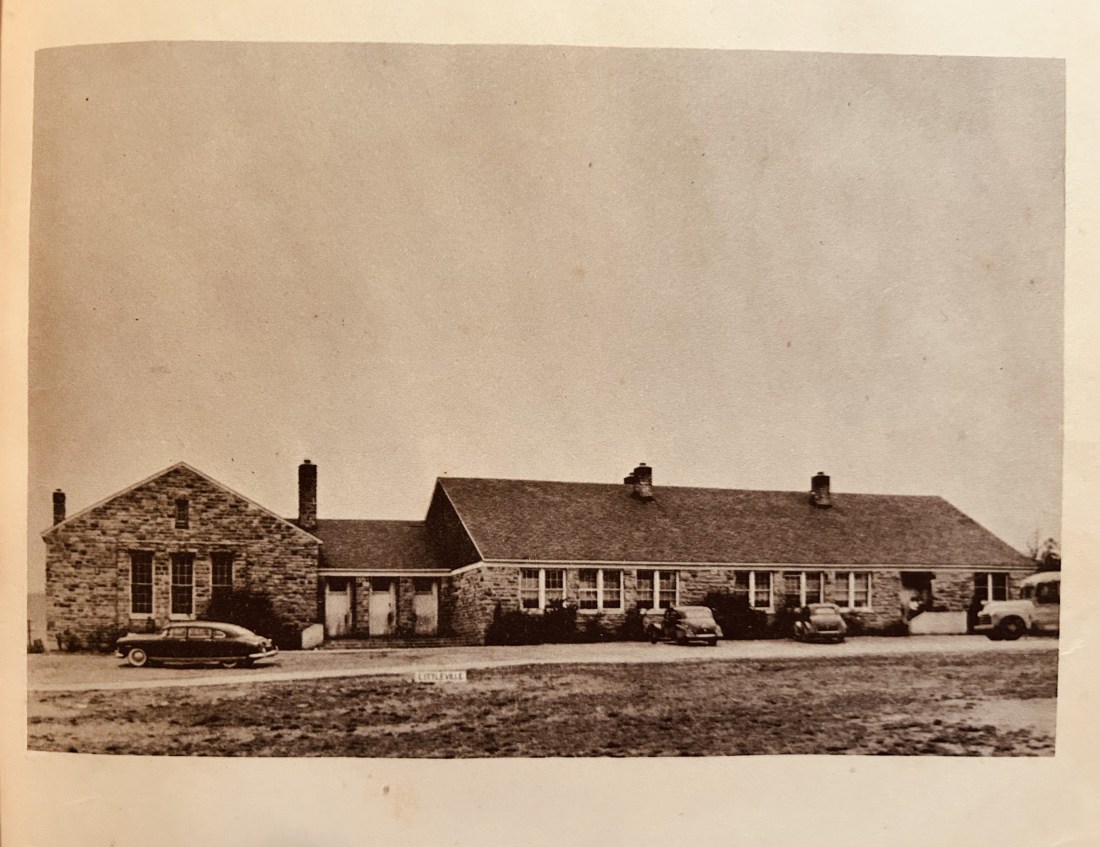
Littleville School, 1949

What I Learned From My Teachers

From Part 1: There’s a lot we carry from our school days—the lessons that stick, the ones that shape us in ways we only realize years later. I’ve been thinking about the teachers who left a deep impression on me, and how those early experiences continue to resonate as a quiet, steady presence in my life and work today. This piece (Parts 1 & 2) is dedicated to the teachers who shaped me, and I want to honor them by name.

Classrooms in Littleville Elementary & Junior High School
Classrooms in front of Littleville School shortly after its closure

Part 2: Miss Thorne, 7th Grade Math: A Lesson in Apology
Miss Janice Thorne, who became Mrs. Berry during our 7th-grade year, is the only teacher I ever apologized to as an adult. My behavior in her class was atrocious. I vividly remember entertaining my classmates by hiding in the classroom while she searched the campus for me—the day the principal, Mr. Morgan, called my dad. Not my mom. Dad. I don’t remember acting out much after that. Like Mrs. Wells, Miss Thorne had the unfortunate task of competing with Miss Renwick for my attention, but unlike Mrs. Wells, she wasn’t a natural commander. I’m really sorry, Miss Thorne.

Miss Thorne also had the misfortune of being assigned to teach us P.E., which required her to wear gym shorts, crew socks, and SeaVees gym shoes. For some reason, this embarrassed me, though I couldn’t have explained why. She was also a member of a neighboring congregation, so I saw her off and on through the years. That made my apology all the more meaningful when I finally had the courage to offer it.

Probably unsurprisingly, Janice left teaching the year after I had her as a teacher. I have reflected on whether my behavior might have contributed to her decision, and my small consolation is that she likely made a good deal of money by going to work for TVA. Miss Thorne—Mrs. Berry—died in 2023, and I am so glad I had the chance to show her respect as an adult.

Mr. Morgan, Principal and 7th Grade Social Studies: The Importance of Being Remembered
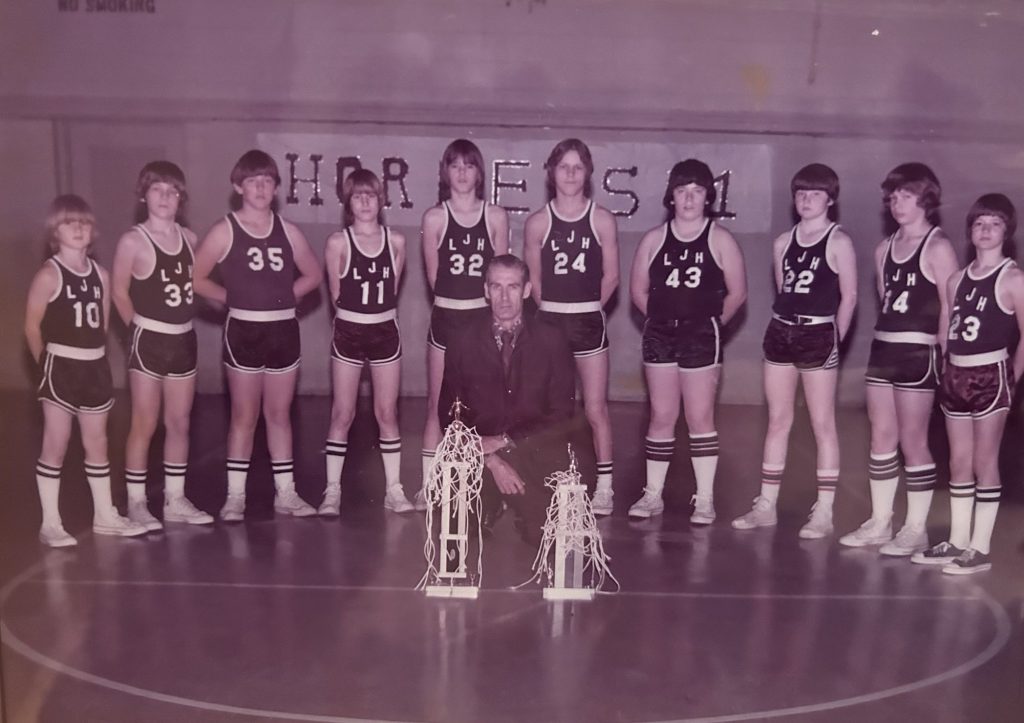
Mr. Morgan was the principal of Littleville School and also taught us 7th grade social studies. He was tall, having played basketball in his younger years, and he coached our teams with the same towering presence. His other claim to fame was that he had fought in the Korean War alongside Dan Blocker, who played Hoss in the very popular Bonanza TV show. I was glad to learn that Mr. Blocker was a nice person. Mr. Morgan regaled us with stories like these during social studies—and come to think of it, the Korean War was part of the curriculum. Mr. Morgan had the longest face I’d ever seen–one can’t help but recall Lurch from The Addams Family–and he spoke with a distinct impediment. We students discussed it and surmised that his tongue was attached to the bottom of his mouth—at least, that’s what it sounded like when he talked. But we quickly learned to understand him, and his speech became just another part of who he was.

Littleville School Gymnasium
Run-down gym of Littleville School, a shell of its former self.

Every year I attended Littleville, I earned a paddling from Mr. Morgan. Unlike Mrs. Fowler’s little red-painted ping pong paddle that intimidated second graders, Mr. Morgan’s paddle was a serious piece of wood—it must have been two feet long and was covered in signatures from its many recipients over the years.

In the early 1990s, Littleville School was closed due to low enrollment. The town had suffered during the recessions of the 1970s, and eventually, the numbers just weren’t there to keep the school open. Before the doors closed for the last time, a “homecoming” was held for everyone who had ever attended. That included my parents, my brother, neighbors—even my grandparents. I was a grown young woman by then. My parents were reminiscing with Mr. Morgan, who chose to retire rather than move to another school. He looked at me and said, “I remember when I gave you a paddling one time, Ugena. I had to hold back a laugh when you looked up at me and said, ‘Mr. Morgan, this is going to hurt me more than it hurts you.'”

Littleville School "Hornets" Basketball Team, 1974. Center: Mr. Theron Morgan.
Littleville School “Hornets” Basketball Team, 1974. Center: Mr. Theron Morgan.

A 20-year career, and he remembered a joke from a 10-year-old girl. Because I was funny and smart. I had been memorable. That, I think, is my main lesson—that these people thought enough of me to remember me.

Mrs. Mansell, 9th Grade Algebra: Making Math Make Sense
In 8th grade, I transferred from Littleville to Russellville to join the RHS Marching 100 Band. My parents really sacrificed to make this happen, commuting me to school a half-hour away instead of the five-minute trip to Littleville. Almost every teacher I’ve mentioned so far had told my parents that I needed enrichment to keep me busy—that my acting out was because I was smart. That made an impact, so I went to Russellville instead of following my Littleville classmates to the county school. I have often wondered how different my life would have been if I had taken the natural path instead of forging the one I did. Two roads diverged…

The RHS Torch and Tradition, a legacy of E.L. "Prof" Williams
The RHS Torch and Tradition, a legacy of E.L. “Prof” Williams

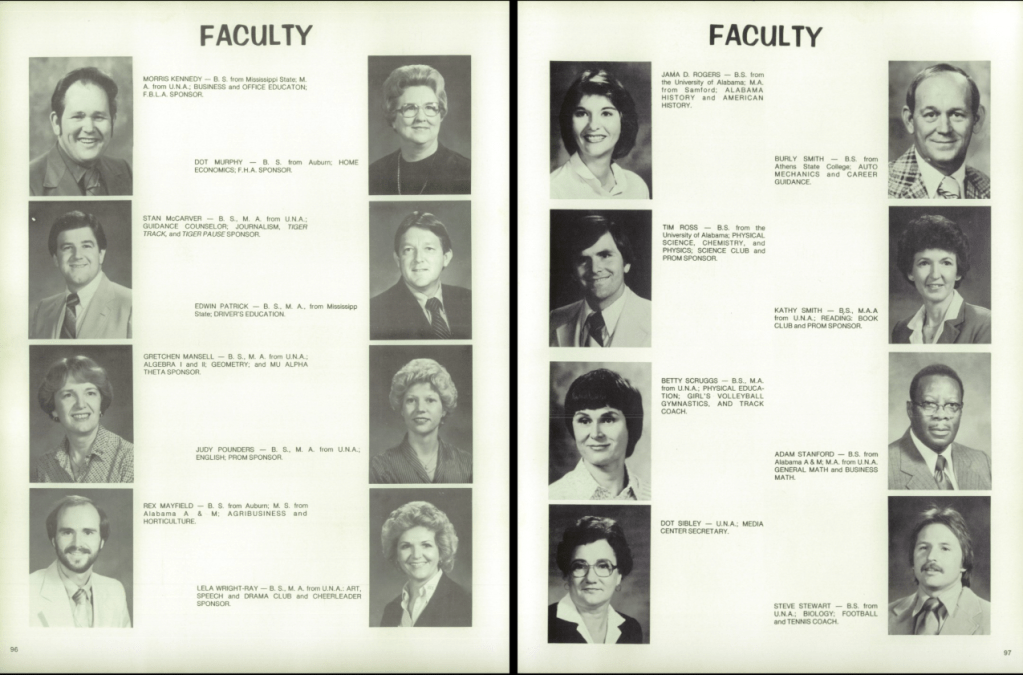
At Russellville, Mrs. Mansell stood out. She had real presence. She taught 9th grade Algebra and made math understandable in a way it hadn’t been since Mrs. Wells. Her father, E.L. “Prof” Williams, had been principal at Russellville High from 1937 to 1957, and my dad even remembered “Mickey” Mansell helping him register as a new student his ninth grade year. She connected with us, made herself available, and showed patience beyond measure. I remember being at a slumber party before exams, and a group of us girls called her for help. She patiently tutored us over the phone, and we all did well on exam day.

Faculty from 1982 Russellville High School Tiger Tracks Yearbook
Faculty from the RHS Tiger Tracks Yearbook; Mrs. Gretchen “Mickey” Mansell is in far right column, third from top

Despite her dedication and deep roots in the school’s history, Mrs. Mansell wasn’t allowed to teach upper-level math in the late 1970s. Those classes were reserved for a male teacher who prided himself on making his classes competitive. He openly stated that he taught to the valedictorian and salutatorian—to weed the rest of us out. I was weeded out of trigonometry in the first week. Discouraged and disheartened, I switched to Home Ec. I decided I’d rather study European and American furniture styles than endure that feeling on a regular basis.

I suppose I learned a lesson from him too—but of all my teachers, his was the biggest lesson on what not to do.

This piece is dedicated to the teachers who shaped me, and I want to honor them by name. They were the steady presence that guided a little girl from the country, who against all odds, would leave Littleville and go on to earn a doctorate and become a professor. I grew up knowing I was the “smart girl,” in part because they told me so—through their expectations, patience, and nurturing. They taught me lessons about kindness, resilience, community, and the quiet power of believing in someone. And as I reflect on my own teaching, I realize I’m still learning from them, still carrying their influence with me in every classroom I enter. I thank them so much.

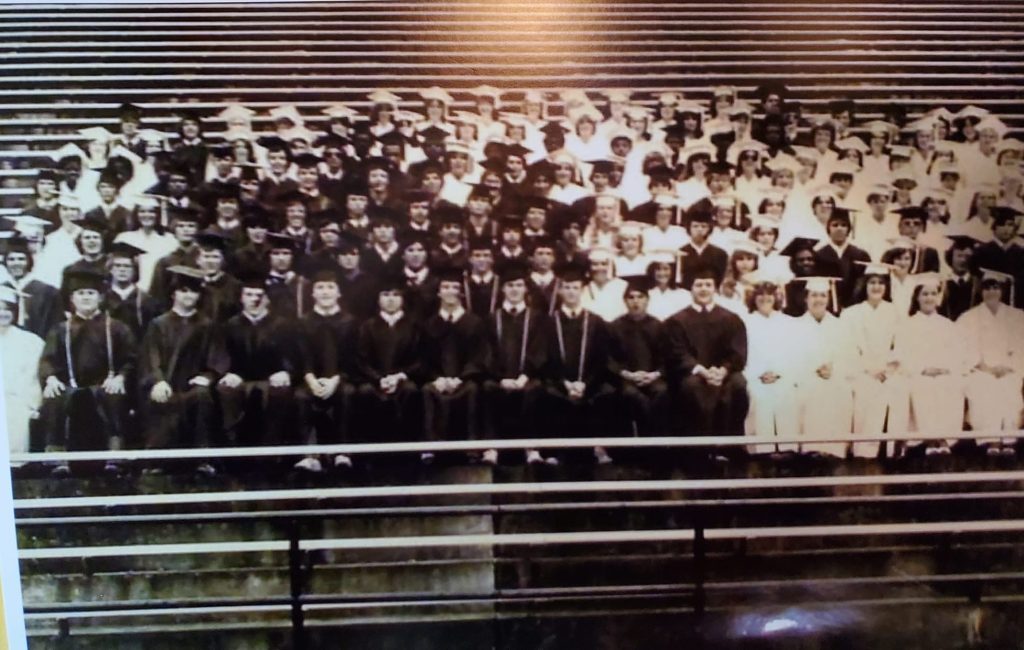
Russellville High School Senior Class Picture, 1981

Remembering the Teachers Who Inspired Me, Part 1

Littleville School, 1949

What I Learned From My Teachers

There’s a lot we carry from our school days—the lessons that stick, the ones that shape us in ways we only realize years later. I’ve been thinking about the teachers who left a deep impression on me, and how those early experiences continue to resonate as a quiet, steady presence in my life and work today. This piece (Parts 1 & 2) is dedicated to the teachers who shaped me, and I want to honor them by name.

Image of book Under the Apple Tree.
I loved this book.

Mrs. Hood, 1st Grade: Recognizing Potential
Mrs. Hood saw something in me from the very start. I still have the report card she wrote on: “Ugena is a good student, but she talks too much.” That one line captured a lot. It was the first sign that someone recognized my potential—and my tendency to let my mouth run ahead of me. I’ve held onto that report card all these years, a reminder of what it means to be recognized for one’s potential and ability. In first grade, we received our first “real” readers, Under the Apple Tree. I remember sleeping with mine under my pillow. Years later, I found a copy and treasure it as a symbol of my lifelong love of learning.

Top: Mrs. Mavis Fowler and Jeannie Clement; Bottom left: Mrs. Fowler; Bottom right: a cute picture of my brother Tracy Whitlock

Mrs. Fowler, 2nd Grade: Be Kind and Carry a Red Paddle
Mrs. Fowler wasn’t just the first teacher to believe in me—she made me believe I was special. She had a way of balancing kindness with authority, and yes, she carried a red paddle as a reminder that rules mattered. But it wasn’t fear that motivated us in her classroom—it was the feeling that she cared. That balance of kindness and discipline taught me more than any lesson from a textbook. I also remember me, Jeannie Clement, and Susan Pace singing church hymns at the front of the class during school hours—something that feels almost unimaginable today, but back then, it was just part of the rhythm of life and learning in Mrs. Fowler’s class.

Mrs. Haley, 3rd Grade: You Can Do Hard Things in Challenging Places
Mrs. Haley was an African American teacher in an all-white school in Littleville, Alabama, in 1971. That alone was remarkable. But what sticks with me is how she tried to teach us about Dr. Martin Luther King—in a place and time where that wasn’t easy. She showed me that you can do hard things, even when the environment isn’t welcoming, and that courage can look like simply sharing the truth. I don’t know what happened to Mrs. Haley–what turns her life took. I hope she knows that in that little school room with green walls, she made a different.

Mrs. Elsie Haley
Mrs. Haley and members of our 3rd Grade Play.
I was the narrator, second from left on right.

Mrs. Wimberly, 4th Grade: Finding Joy in Learning (and Neck Massages)
I absolutely adored Mrs. Wimberly. She had a way of making the classroom feel fun and alive. This was the year I first heard about the Osmond Brothers from Jeannie Clement, and while that might seem trivial, it’s part of what made school feel like a place where life happened. Mrs. Wimberly wasn’t naive either—she let us give her neck massages during PE, while having deep discussions about who was better, the Osmonds or Elvis. Looking back, I see that she knew how to keep us engaged, even if it meant a little creative classroom management.

Mrs. Wimberly was also the first person I had met who had seen Elvis live in concert. She gave me a photo book from the concert, and for Christmas, my mom got her the most wonderful present, which I had selected: a black plastic cat with diamond eyes and a fuzzy boa—filled with bubble bath. If nothing else, I have always been classy!

Mrs. Wimberly, probably on the last day of school.
Mrs. Marie Wimberly, behind the school at the baseball field. Notice the kid trying to give her rabbit ears.

Mrs. Wells, 5th Grade: The Best Education, No Matter Where You Are
Following Mrs. Wimberly was no small task, but Mrs. Wells handled it with grace and grit. She was the only teacher I had at Littleville who actually lived in our community, and she took that responsibility seriously. When I complained that math was hard and had a fifth grade hissy fit, she didn’t let me off the hook—she made sure I learned fractions. Mrs. Wells held an Education Specialist degree, and my mother once asked her why she stayed at Littleville School when she could’ve worked anywhere. Her answer: “Our kids deserve a good education, just like anybody else.” That belief has stayed with me, a quiet reminder that showing up fully isn’t just about personal pride—it’s because others deserve the best we have to offer, no matter where we are. Mrs. Wells eventually became the principal of Littleville School and remained in that position until it was closed in 1994. (I have written about Littleville School in “A Memoir of Littleville School: Identity, Community, and Rural Education in a Curriculum Study of Rural Place” in William Reynolds’s collection, Vol. 494, Forgotten Places: Critical Studies in Rural Education (2017), pp. 169-188.). Mrs. Ann Wells lived to be 88 years old, and till the end of her life, when she saw my parents, she asked about me.

Miss Renwick, 6th & 7th Grade English: The First Crush
Of all my teachers, Miss Renwick is the one I’ve wondered about the most over all these years. I wish I knew what happened to her. Looking back, I know now that she was my first crush, as young girls often have. I adored her, admired her, and hung on every word she said. My poor mother spent countless hours waiting for me in the parking lot of Littleville School while I lingered in Miss Renwick’s classroom after school. I really appreciate that—both my mother’s patience and Miss Renwick’s willingness to let a student hang around after a long day. She introduced us to literature–not just stories found in “readers,” but the classics. She described the faraway places where they took place. “You can go to these places, see these things,” she told me. I’d like for her, wherever she is, to know that although I took a circuitous route, I did.

Miss Renwick. Note her look at me coming into her classroom after school to take yet another picture.
Miss Renwick, last day of school, 6th grade
And yes, I did take a picture of her car. For years, I wanted a Toyota Tercel Wagon

Mr. Sizemore, 7th Grade Science: The Surprise of Humanity
Mr. Sizemore was a science teacher with a presence that made us all a little nervous. He was the only teacher I ever had who effectively taught while sitting behind his chair, which he did almost every day unless he got up for the occasional lab activity. He wore the same clothes every day: a blue shirt, blue jacket, dark pants, and shined brogans. His black hair was neatly combed with Brylcreem—long after Brylcreem had gone out of style. He wore black horned-rimmed glasses like Clark Kent. He drove an old blue Ford truck, and his stern demeanor was enough to keep us on edge. We were especially scared when he’d slam his book on the desk if we weren’t paying attention. But I remember my daddy talking about running into him out in public, chatting about chickens like old friends. It surprised me to realize Mr. Sizemore had a first name—David—and a life beyond the classroom. Thinking about him today, I realize just how young he must have been in 1976. That small realization stuck with me: teachers are people, too.

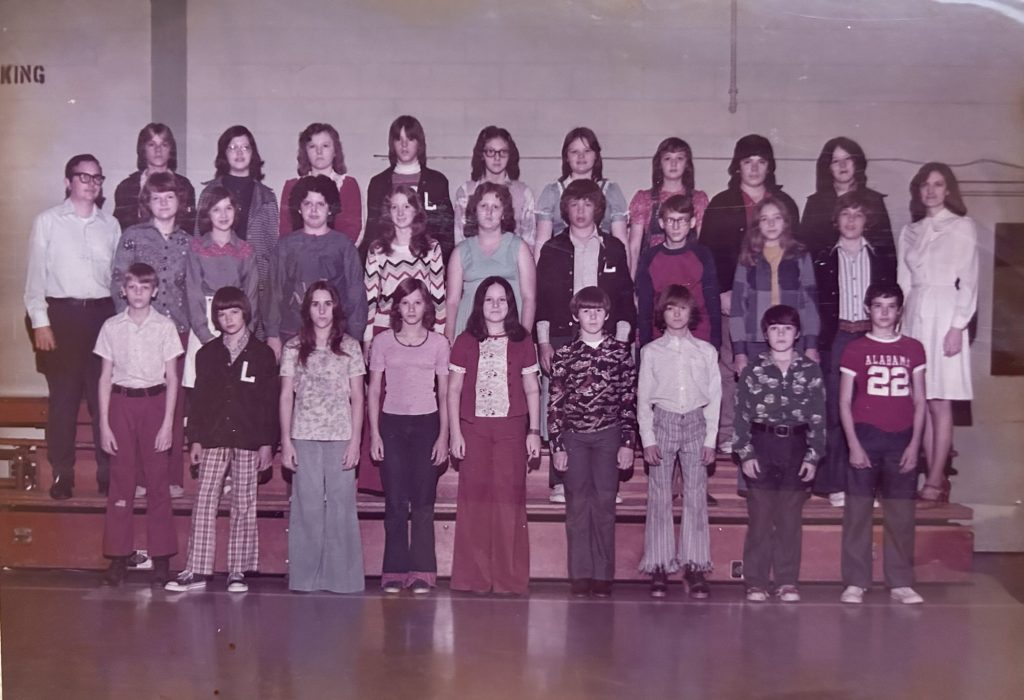
Littleville School 6th Grade Class Picture, 1974. Second Row: Far left, Mr. David Sizemore; far right, Miss Joyce Renwick; second from right, Ugena Whitlock

To be continued in Part 2…

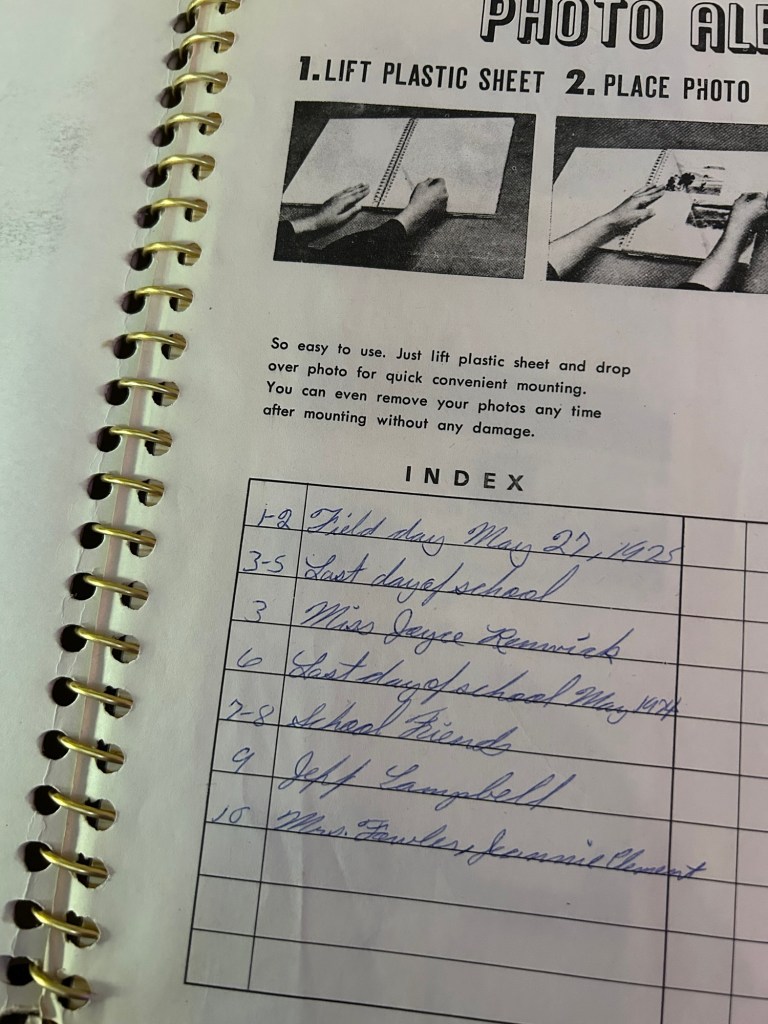
My Treasured School Photo Album
Handwritten Table of Contents from my Littleville photo album in my best cursive.

Finding My Voice Again: A Musical Journey (Power of Music, Part 2)

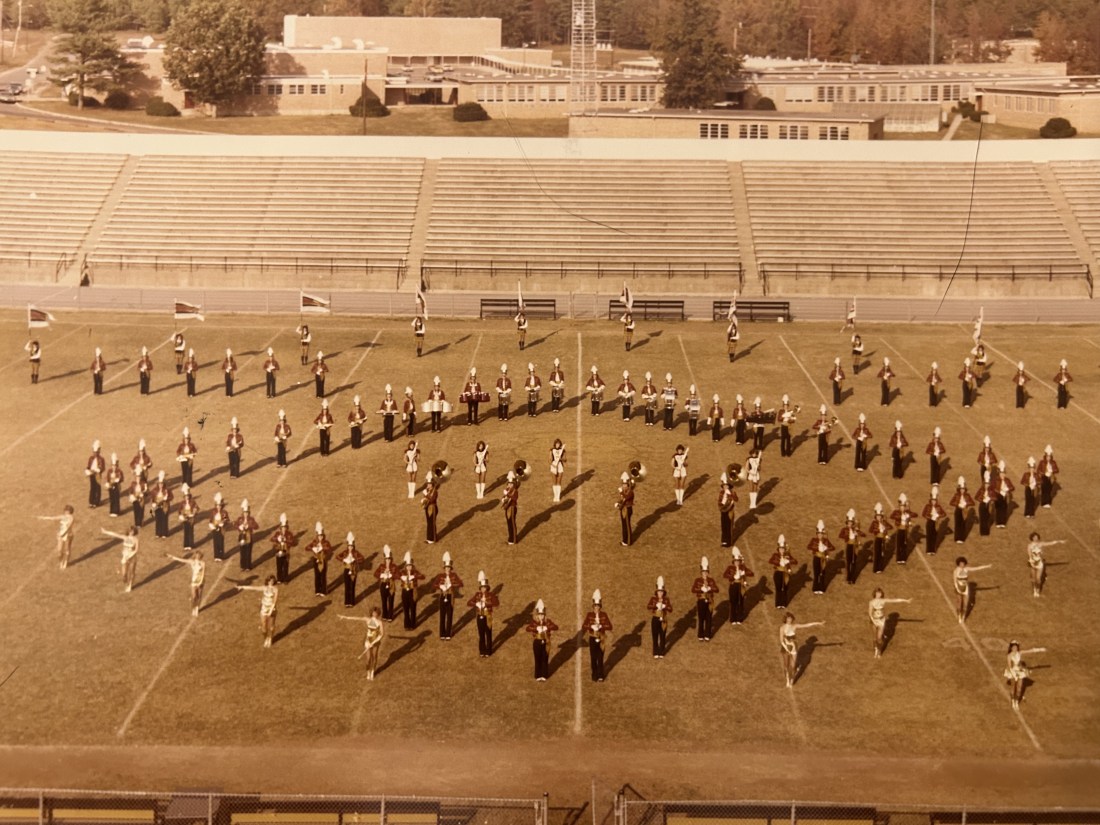
Image of 1979 Russellville Marching 100 Band Yearbook Picture

Finding My Voice Again

Music has always been more than just entertainment for me; it’s a pathway to the deepest parts of myself, a way to explore the complicated emotions that shape my inner being. Growing up, singing hymns a cappella in our small church was an unforgettable experience. I still recall sitting on a pew in the third row, right behind the song leader’s wife, with my friends Lynne and Susan. Our young voices would blend together in harmony, and Mrs. Greenhill would turn around, a twinkle in her eyes, to compliment our singing. “I heard you girls singing that alto,” she’d say. Those words of encouragement still resonate with me today.

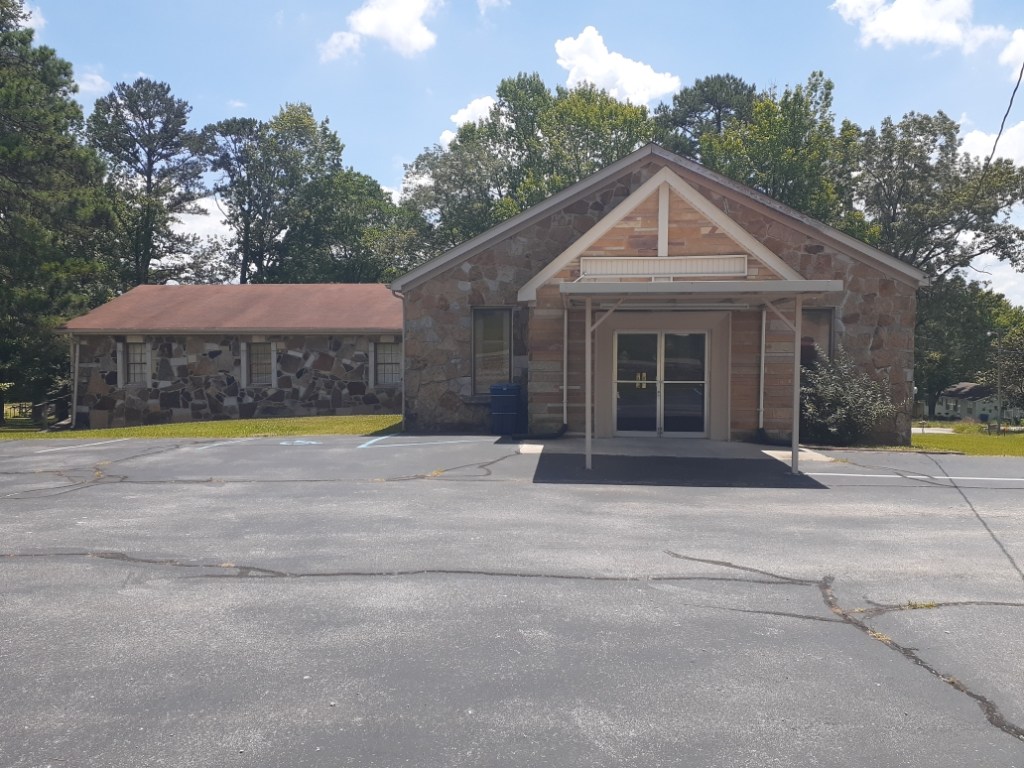
Image of small stone church, Littleville Church of Christ, Littleville, Alabama
My home church, Littleville Church of Christ, Littleville, Alabama

High school choir–the RHS Singers–was an incredible experience. We developed our singing abilities and musical knowledge as we discovered the pure joy of making music together, especially when we got to perform. I remember how proud I was when I wore the stage choir outfit made from gaberdine with matching rayon scarf that my Mom had sewn on her Singer sewing machine. I still remember the songs. And, as I’ve previously explored in my reflection on the RHS Marching 100, music has always held a significant place in my life. These experiences deeply shaped my love for music and continue to influence me today.

This strong connection to music was reaffirmed by my recent rediscovery of my old iPod. As I wrote in “The Playlist of Me: Forgotten iPod, Rediscovered Self,” my iPod held a collection of songs carefully chosen over time, each a reflection of a specific mood or memory. Listening to that forgotten playlist for the first time in a decade felt like uncovering a long-lost piece of myself. It was a powerful reminder of the abiding impact music has on my spirit.

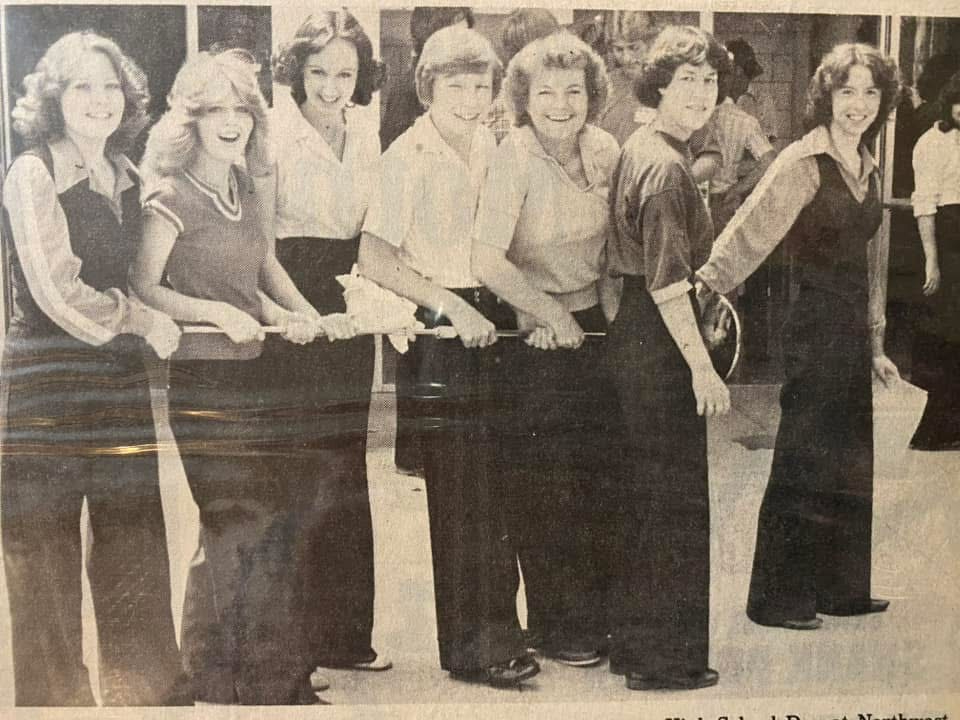
Image of seven teenagers in the Russellville High School RHS Singers choir, 1980
Joyful times! A group of RHS Singers being silly. We were “setting up” the microphone stand. I am third from right.

Darker Days

During my junior year, my boyfriend, who later became my husband, began to increasingly feel threatened by the time I spent with my classmates and the joyous importance of music in my life. Through subtle and not-so-subtle manipulations, he pressured me to miss choir and band gigs, culminating in his attempts to prevent me from going on an upcoming band trip to Washington D.C., a dream of mine. Heartbroken but worn down from struggling, I quit both. Losing these creative and social outlets devastated me, leaving a dark hole in my life where music and my connection with my classmates had once been.

After I graduated and we married, I began to have recurring dreams, vivid and unsettling. In these dreams, I would find myself transported back to my high school days, immersed in the music, the joy of playing my instrument washing over me. But the comfort of the dream would always be shattered by the harsh reality of waking, leaving me with a profound sense of loss and longing.

My marriage, unfortunately and unsurprisingly, amplified the unhealthy power dynamic between us. When we divorced, I finally felt free, but the loss of my 45s—taken from my belongings while I was packing—left me angry and heartbroken. Those records, collected during cherished weekly trips to town with my mom from as far back as I can remember until I got married, traced and preserved the years of my life growing up. Their disappearance wasn’t just a loss of possessions; it was a loss of something irreplaceable. I’ve been trying to rebuild that collection ever since, but those original records will always be gone. My only solace was that I no longer had the homesick dreams.

Image of blue plastic 45rpm record holder.
A similar blue plastic record holder to mine.

Looking back now, I see how, over time, I had become disconnected from vital parts of myself—choir, band, and even my cherished collection of 45s, all tangible links to my teenage years. The impact of the loss extended beyond the immediate. At this point, you may be thinking, “Well, lady, why didn’t you just play the radio or go to a concert? Why so dramatic?”

I continued to listen to music, of course, but it wasn’t the same. It was as if I was merely going through the motions, like a writer who stares at a blank page, unable to truly engage with the creative process. I didn’t realize how much I had distanced myself from the deep connection I once felt with music until I reconnected with it recently.

Image of a stack of old 45 rpm records

Rediscovering the Magic

The silencing of my musical expression that had been made complete during my marriage left a void in my life. However, the yearning for music never truly subsided. Years later, I found myself drawn back to the familiar comfort of church choir. The initial hesitation soon gave way to a renewed sense of joy as I rediscovered the power of music to uplift and connect. My voice, once silenced, found itself again. People would remark, “I’ve never seen anyone as happy as you look when you’re singing.” These simple observations resonated deeply, confirming that I had found my way back to a source of profound happiness and fulfillment.

Rediscovering the magic of music has brought unexpected joys. Sharing my father’s love for the music of his youth has been a deeply rewarding experience. As he hummed a long-forgotten tune for me, I would embark on a digital treasure hunt, searching for that elusive melody.

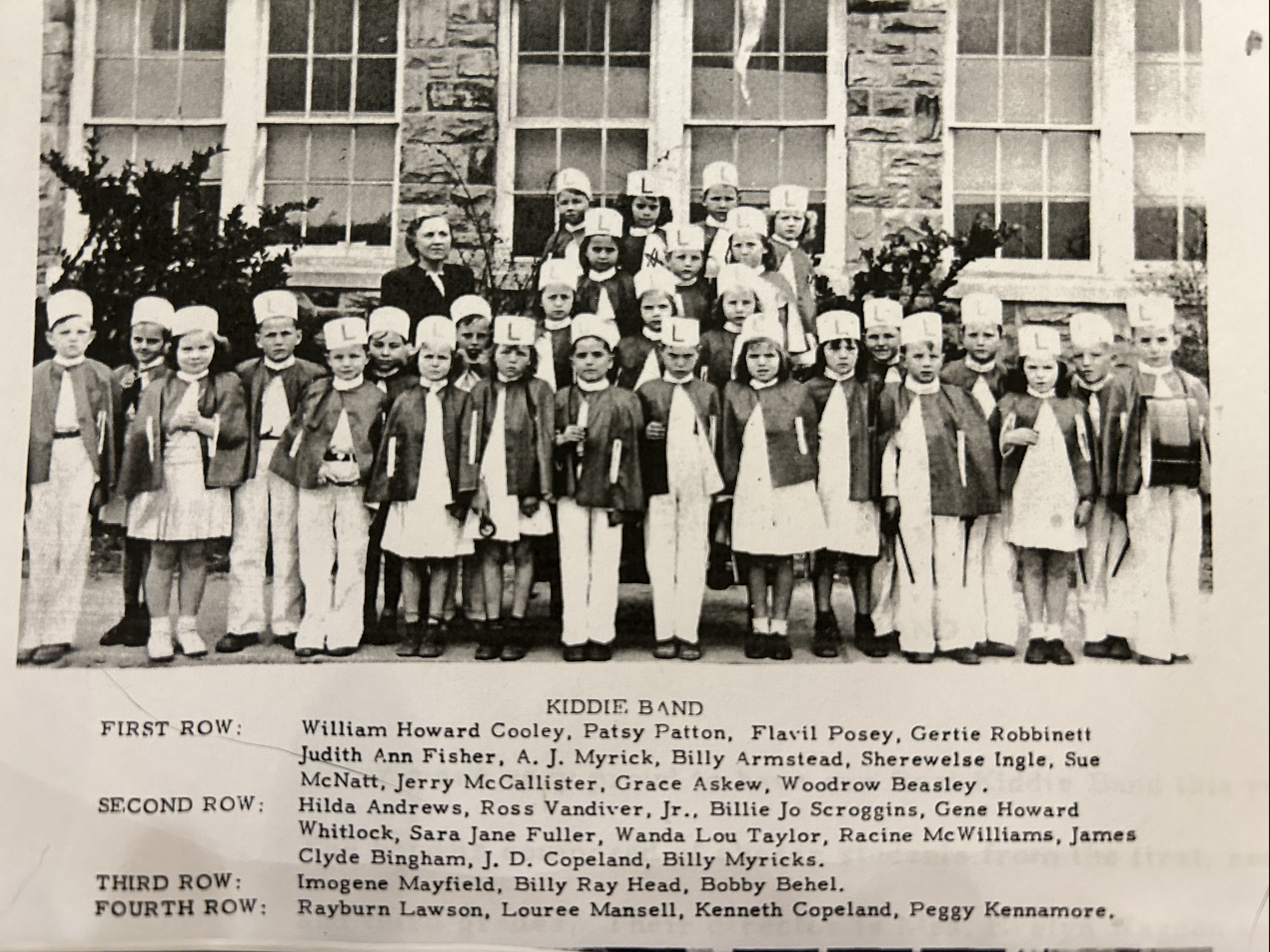
Image of 1949 Littleville School Kiddie Band
Littleville School Kiddie Band, 1949. Daddy, Gene Howard Whitlock, is in the second row.
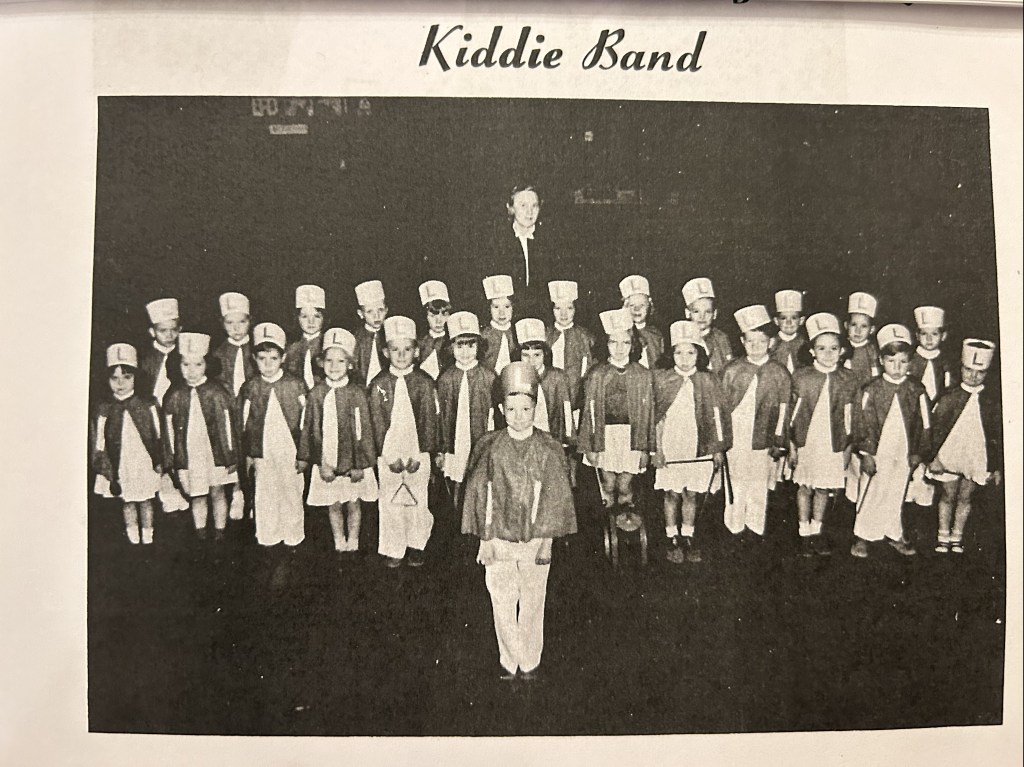
Image of Littleville School Kiddie Band, 1950
1950 Kiddie Band. My Mother, Wonell Fisher, is in the back row, third from left.

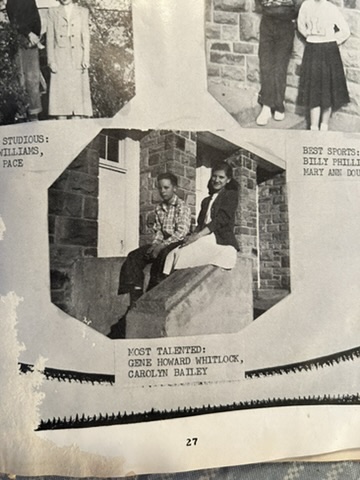
Downloading and burning CDs for him became a treasured ritual, a way to bridge the gap between generations and share a piece of his past. Both my parents fondly remember their days at Littleville School, where they had both been members of the Kiddie Band – a cherished program that sadly did not exist by the time I arrived. My father, a natural performer, particularly enjoyed his time in the band, relishing the opportunity to entertain the crowd. While looking through old yearbooks, my son and I discovered that Daddy had been voted Littleville School’s Most Talented in 1953–based mostly on his performance of Mr. Sandman–when he was in seventh grade. Mother had been a cheerleader, but that is another story.

Littleville School Most Talented 1953, Gene H. Whitlock
Littleville School 1953 Most Talented, Gene Howard Whitlock

The resurgence of vinyl, with its emphasis on the warmth and character of analog sound, has also brought a new dimension to my musical journey. Listening to records again evokes vivid memories of my childhood and hours spent browsing records at TG&Y with Mom, while also connecting me to the music that shaped me. Growing up a lonely kid in a small town, I spent many Saturday nights sitting in the dark listening to Wolfman Jack on my folks’ RCA console stereo. For years, I didn’t have a record player, but Sarah found one on Facebook Marketplace and encouraged me to buy it, convinced it would bring me peace and happiness. The reality, however, has been more complex, stirring emotions and reflections I hadn’t expected.

Listening to old hymns like those I sang in the little brick church house evoked a flood of powerful feelings. The harmonies, the raw emotion, the memories of singing alongside Lynne and Susan on the church pew, all come rushing back. After witnessing me tearfully singing along with the Chuck Wagon Gang, Sarah gently noticed that while she had anticipated a sense of peace and happiness, she had not expected the tears.

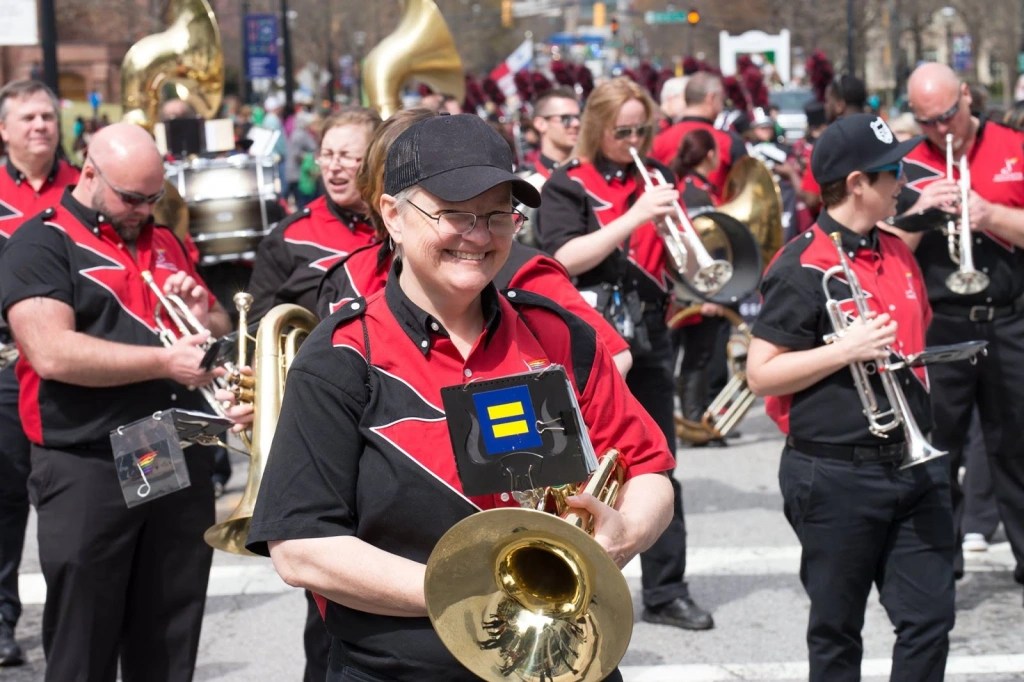
Image of marching band, includes trumpet players, tuba players, and drums in background. Ugena Whitlock with mellophone in foreground.
Ready to march in a parade with the Atlanta Freedom Bands with my mellophone

In addition to church choir, joining the Atlanta Freedom Bands provided a powerful outlet for my musical expression. The first time I marched in a parade after more than 40 years, the music surged through me, a wave of joy and liberation washing over me. It was as if a dormant part of my soul had finally awakened. Community band serves as a poignant reminder that it’s never too late to rediscover and nurture our passions. Even if it harder to march a mile uphill forty years when I’m older.

Looking back, the unhappiness of that earlier period cast a long shadow over my understanding of music’s role in my life. It seemed to be a casualty of that tumultuous time. Yet, amid the pain and regret, an innocent, peaceful memory emerges. In stage choir performances way back in 1979, I can still see Robert, his guy’s choir costume accented with a 1920s white straw boater hat, dancing the routine with his partner (I, a product of my fundamentalist upbringing, was decidedly not a dancer!). They were performing to the choral version of “Close to You” by The Carpenters. Robert, a good boy from a troubled background, died a few years ago. I wrote about it in a previous blog post: For Bob.

I can’t hear “Close to You” today without that sweet memory, and sometimes its poignancy is so powerful, I cry. For him, for us, for episodes of happiness amid the turmoil of two people who married far too young – the passage of time allows me to see without the lingering pain. This, in the end, is what music truly means to me: its magic, mysterious, and soul-stirring power to bring me to gentleness and peace. It helps me to heal by reminding me of the beauty and fragility of life. Through music, I cherish the precious moments of joy from even the darkest times. And, I must admit, even though I have been to the nation’s capital many times, I still regret not going to D.C. with the band.

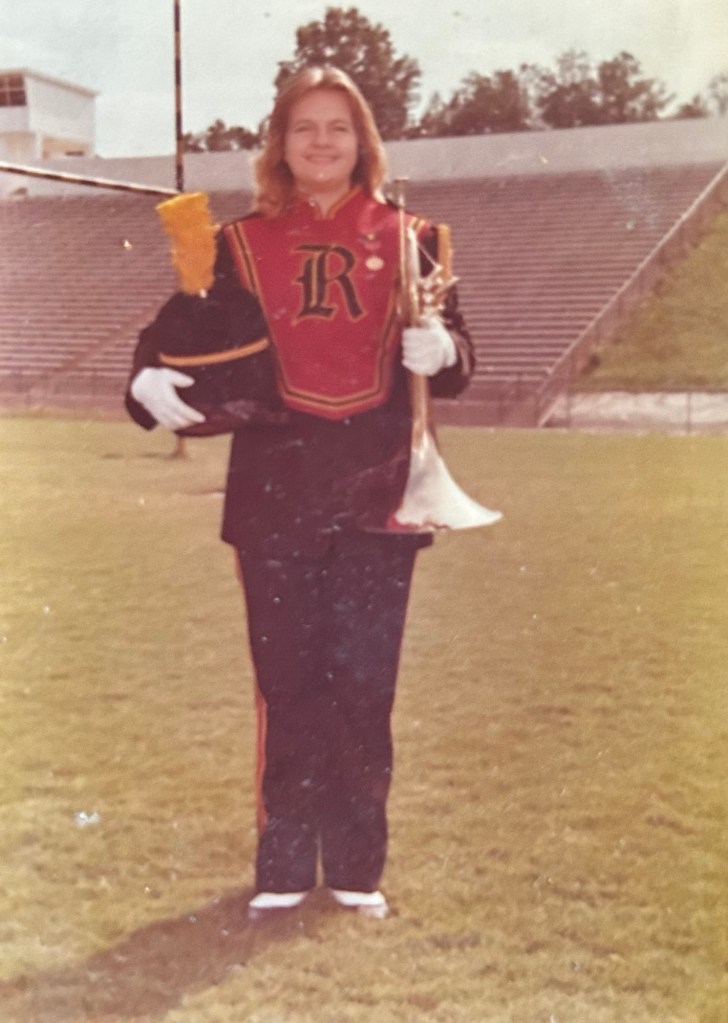
Image of band student Ugena Whitlock posing with mellophone in band uniform, 1977.
The first time I saw a Russellville Marching 100 band uniform, my young life’s goal was to wear one! Here I am, complete with gloves, spats, and mellophone. Notice the old shaker hat with plume and the medal for winning the Greatest Bands in Dixie Competition in New Orleans.

Gratitude, Anyway: A Christmas Message for Finding Happiness

Image of Little Debbie Christmas Tree Cakes, one standing and one cross section showing cake icing.

I got stuck while writing this post. I knew I wanted to write about being grateful for my life and everything and everybody in it. I knew I wanted to frame it around having gratitude when those blessings might be blurred by shiny objects, such as ambition and wanderlust. I had most of it completed, but I couldn’t decided how to wrap it up without it having a rosy, yet empty, ending. Not too much as seen from the front porch is rosy; there are cobwebs and dust on my front porch. Then I took a walk on a frosty December night and the ending found me.

Does this ever happen to you? You come up with a brilliant idea—something you think is groundbreaking—only to find someone else has already beaten you to it. I suspect it happens to most writers. A blog idea I thought would be perfect was already taken. I began exploring memoir writing, only to discover someone else has already captured the same experiences with the same folksy charm! I have thought of an ideas for a book, and as I begin doing research for it, there it is–already published by somebody else! Even academic journal articles I’ve envisioned writing often already exist, in forms eerily close to what I had in mind. And every time it happens, it stings. These aren’t rare occurrences—they’ve happened more than just once or twice in my life. Here’s one that happened today: A very fine post by Jim Wallis called “Singing the Lord’s Song in a Strange Land” discusses thoughts I’ve had as an Armchair Quarterback for years—even before the election. It’s title even sounds like something I would have thought of. It’s beautiful. You should read it. Dang it. Singing the Lord’s Song in a Strange Land.

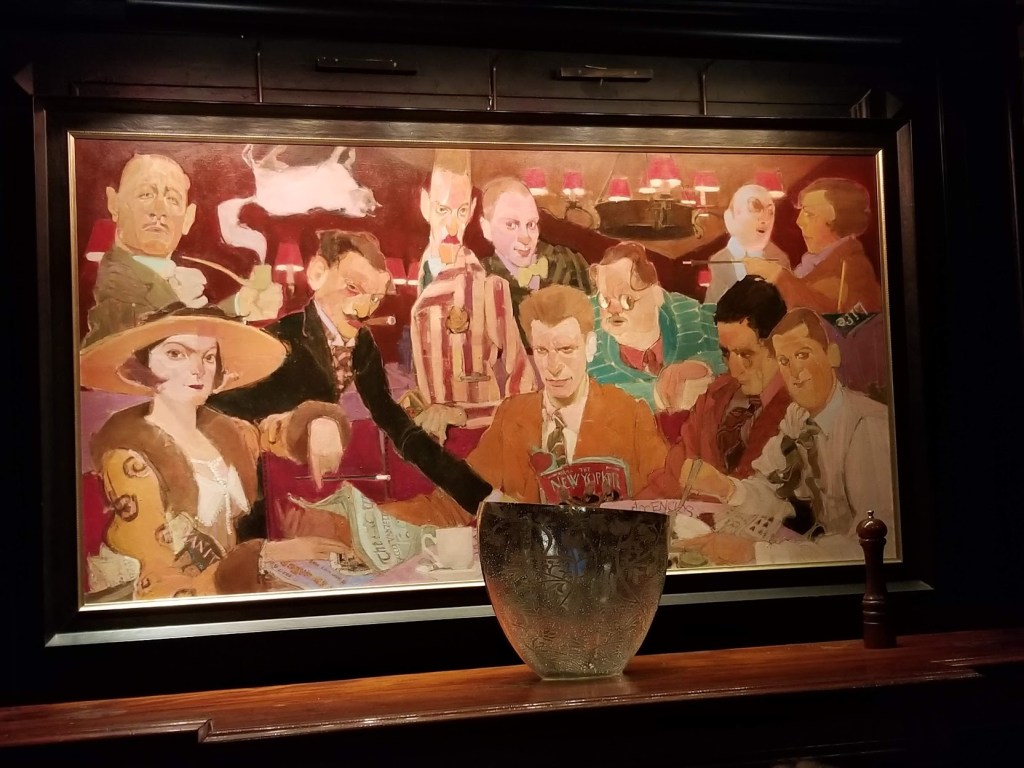
Image of painting of the Round Table at the Algonquin Hotel in New York City
The Round Table at the Algonquin Hotel

And then there’s the yearning. I can’t deny feeling a twinge of envy when I see friends and colleagues celebrating their achievements on Facebook. It’s a humbling reminder of my own aspirations and the work I still want to accomplish. A dear friend recently mentioned seeing several plays on a trip to New York City. She misses New York very deeply, and I’m happy that she makes regular visits; it does her soul good. Now, I’ve been fortunate to see my share of Broadway musicals—I even saw Bette Midler in Hello, Dolly!—an experience I still count as one of the best of my life. But life changes, as it always does, and I don’t have those same opportunities now. Sarah prefers camping with the dogs, and while I finally convinced her to upgrade tent to a pop-up camper, our adventures now involve hoisting Bruno the Bulldog up the steps to his bed.

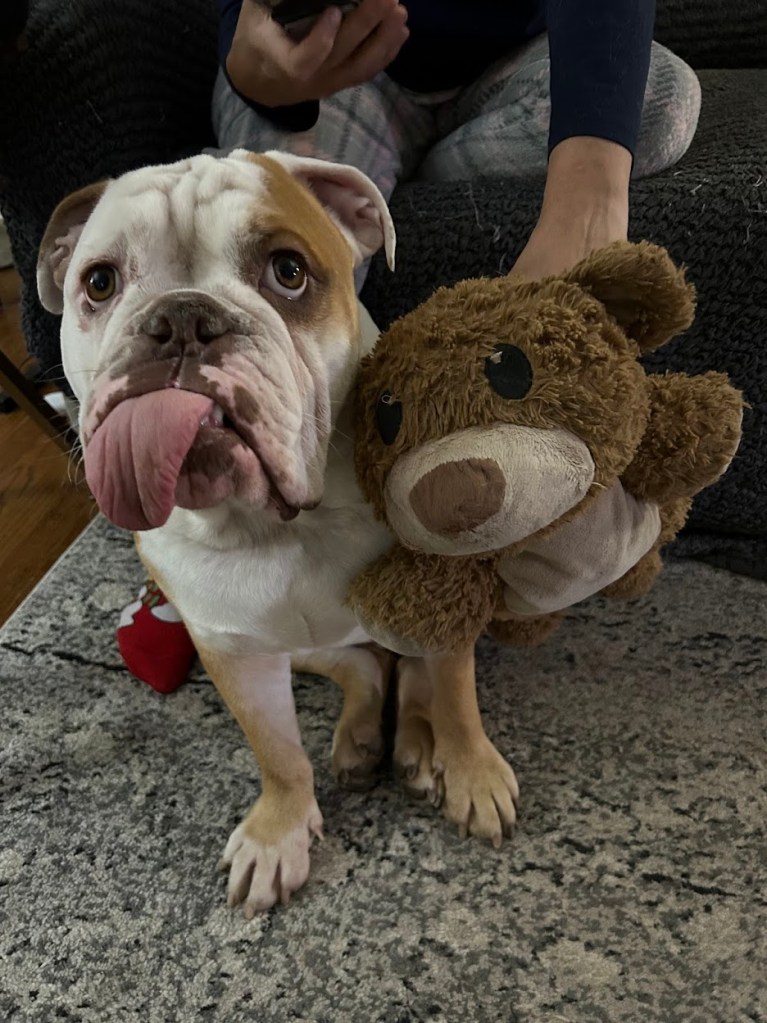
Image of English Bulldog and stuffed bear.
Bruno and Snugs Baby

I don’t want to be a globetrotter, and I don’t long for the lifestyle of the rich and famous. I admit, though, when I’m out in the woods at midnight with a flashlight, waiting for Bruno to finish his business, it can feel like a bit of a step down from the lights on Broadway. Travel, especially to historically rich locales, thrills me. I relish every minute of it. I soak up the salty air and sea breezes of beaches from New England to Miami. And yes, theater makes me breathless. Euphoria has its place, and I appreciate it when I have it.
But adventures are the in-between spaces. The wholeness of life, for me, is found in simple joys. The whole fabric of life takes place in Spartanburg, feeding the dogs and cats—and in Alabama at my childhood homeplace. Whether tending to dogs and cats or listening to the stories my mother tells about pictures and treasures we sort through-both of us aware of time pressing down upon us—these are the things I am fiercely grateful for.

I think back to how I grew up, a child of hardworking people in Alabama. My parents taught me to be proud of where I came from, to appreciate the simple joys of home and family. They have always begun and ended every prayer by giving thanks to God. Even now, my heart remains etched with gratitude that I learned from them. I look around and see a life I love—a cozy old house in a picturesque neighborhood, my quirky cars in the driveway, my family within a few hours’ drive, and my pets curled up with Sarah and me on the couch. I’m comfortable in my own skin, grateful for work that fulfills me, and thankful for the profound blessing of having stability in my life. I’m blessed not to face food or housing insecurity, unlike so many others on this earth. I do a quick check and confirm that the reason I blog in the first place is to find joy and fulfillment–which I do.

Here’s the thing I’ve noticed: life is full of moments like these. No matter what you achieve or experience, there will always be someone smarter, more accomplished, more traveled, or more adventurous. It’s easy to let envy creep in or to feel like I’ve missed out. But at this stage in my life, I’ve learned to lean into a different perspective: gratitude, anyway. Choosing gratitude is a practice, and I have to practice it. Being grateful is as simple as the adage: It’s not having what you want but wanting what you have. I didn’t say it was an easy practice.

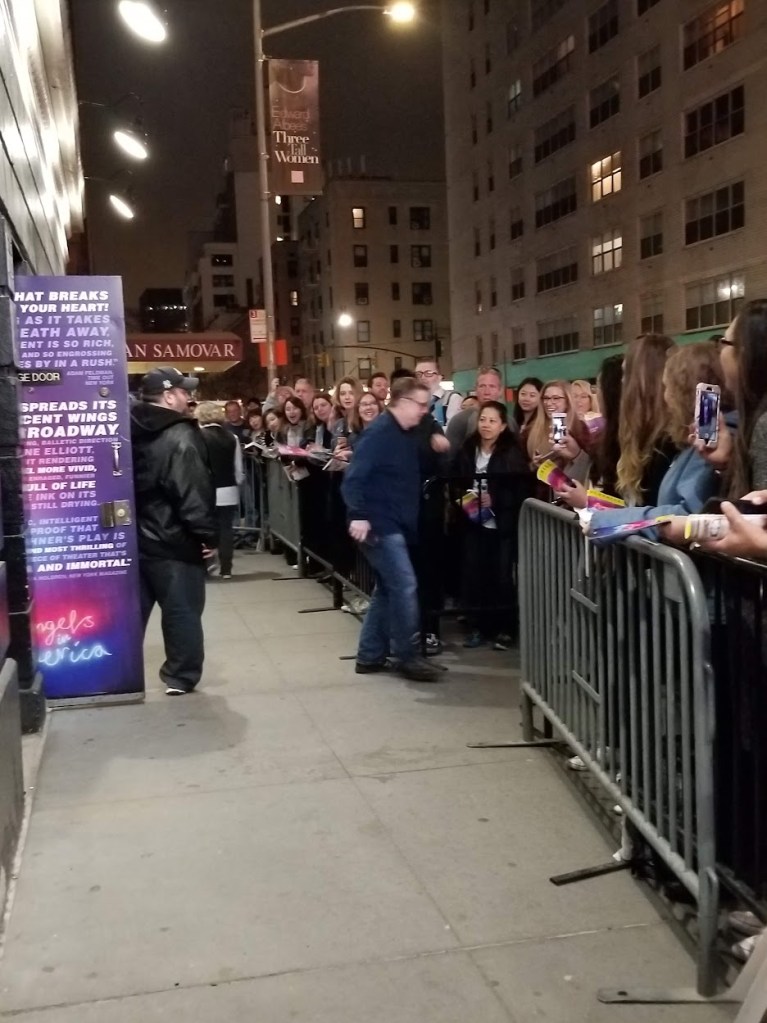
Image of actor Nathan Lane leaving Broadway theater after the play Angels in America
Nathan Lane Leaving Theater After Angels in America

Yes, I would really like an occasional New York weekend getaway. I’d love to see my name on the cover of a groundbreaking book or a memoir about a girl from a working-class family in the South–kind of like “The View from Rural Missouri by Jess Piper, which is a terrific collection by a Renaissance Woman from Missouri, at https://jesspiper.substack.com/. Dang it. But I also find happiness in where I am, not just in those imagined greener pastures. There’s a profound joy and relief in realizing that life isn’t a race or competition. I take satisfaction in setting my own goals and working toward them at my own pace—leaving room for reflection and leisure along the way. I will get where I get when I get there. I wonder why it has taken me so long to be at peace with this. I am grateful that I am.

Image of the Statue of Liberty
Statue of Liberty

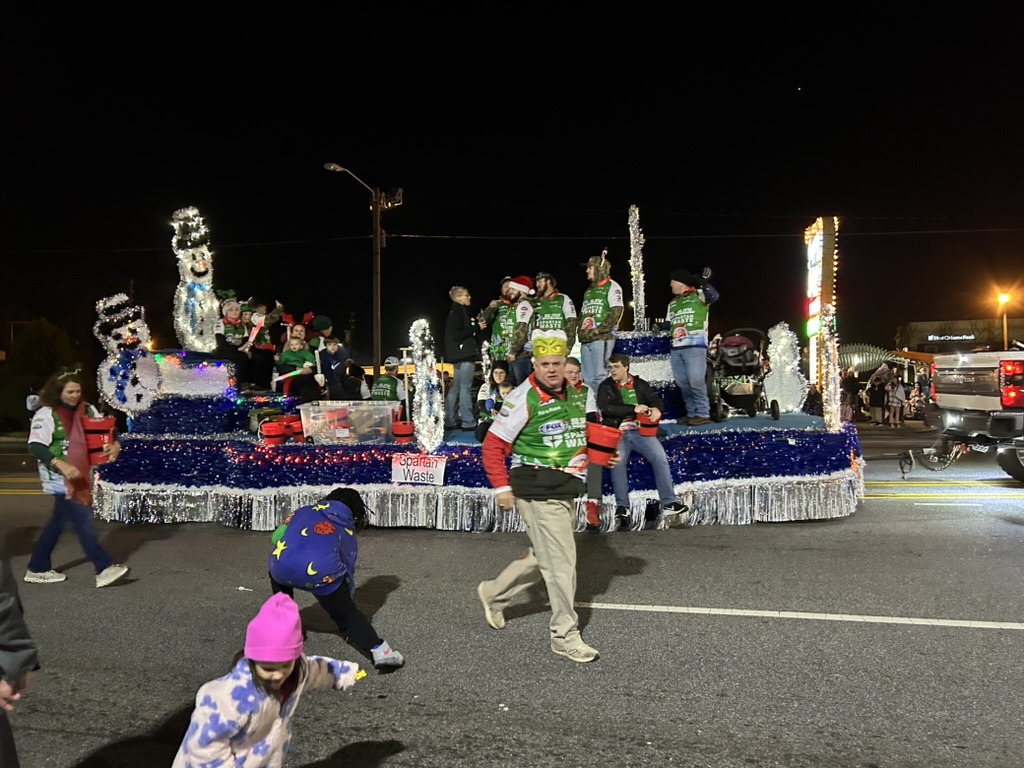
Here is where I had trouble sticking the ending. So I set it aside and went to the Spartanburg Christmas Parade. We live in a neighborhood that looks like Bedford Falls in It’s A Wonderful Life, and we can walk the two blocks to the parade route. We walked arm-in-arm to Main Street, got hot chocolate, and found a spot among the crowd to watch the parade. If you’ve ever been to a hometown Christmas parade, you know exactly what it was like. There were fire engines driven by Grinches, lights strung from cars and trucks and tractors, local beauty queens wearing Santa hats instead of tiaras, and marching bands. Oh, the marching bands. One of my most wonderful experiences was marching in my high school band. Memories of it fill me with happiness and exhilaration. As soon as I heard the drum cadence marking the band’s approach, I felt that feeling again. Then they began to play. It was at that moment the meaning of what I had been trying to capture in my writing became physically real to me. I began to cry as they marched by, joyful in the present and in jubilant memories. This, I knew, was gratitude.

Image of parade float and parade walkers in Spartanburg Christmas Parade.
Spartanburg Christmas Parade Float

While I’ve been struggling with disappointment at the parade passing me by, I just needed the reminder that parades don’t pass a person by—we experience them, marching right alongside. So, I’ll keep dreaming and working toward new goals, and I’ll keep finding happiness right here, in this moment. Gratitude, I understand, is not to be approached as “anyway.” Gratitude is an attitude–a mindset of unwavering, ongoing appreciation, regardless of the circumstance. Although I won’t always be successful, and although some days will be easier than others, I choose Gratitude, always.

Image of Spartanburg School for the Deaf and Blind Bus in Spartanburg Christmas Parade
Spartanburg School for the Deaf and Blind Bus in Spartanburg Christmas Parade
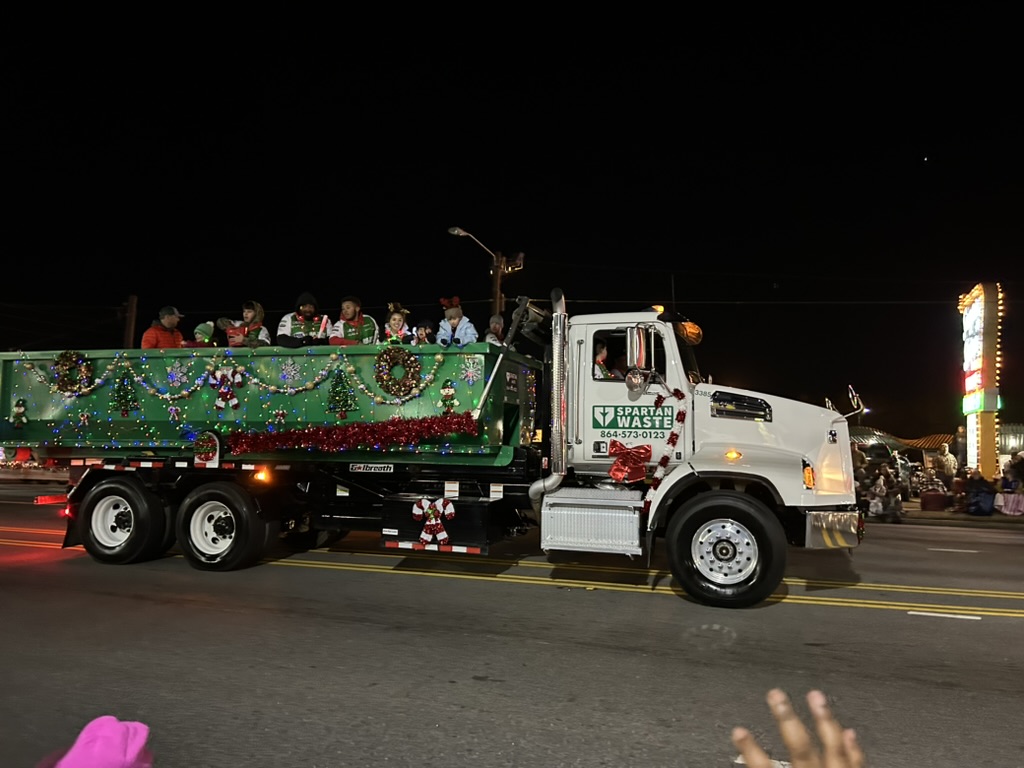
Image of Spartanburg Waste Truck in Christmas Parade
Spartanburg Waste Co. Truck in Christmas Parade

The Old Man and the Coon, or, Tales of Daddy and Popeye

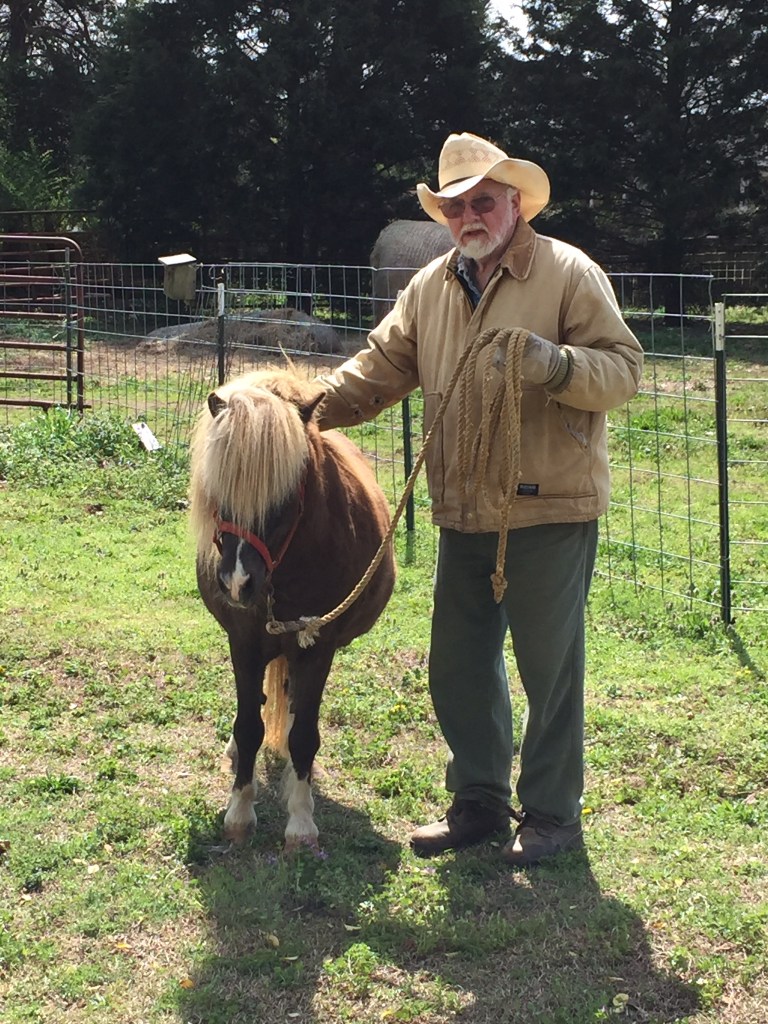
I am not a phone talker. Nobody in my family is, but it occurred to me today that I had not spoken to my parents in a while. So I called them. Daddy is 83, and Mother is 80. My son Daniel lives with them and they all take care of one another. Mother and Daniel have an English Bulldog named Boo Baby, and Daddy has an 18 year-old Rat Terrier named Popeye. In dog years, he’s older than Daddy. Now, when the phone rings at the house, Mother picks up the downstairs phone, and Daddy picks up the extension in his room simultaneously. He waits his turn patiently for me and Mother to catch up, and then he will say something like, “Well, I’m still here.” That’s Mom’s cue to turn me over to him. So, I went through my topics–work, weather, how I’m doing, more weather, and the proper name of Grandpa’s Whiskers (it’s Cleome). Then it was time to talk to Daddy.

He eventually asked, “Did I tell you about Popeye nearly getting hit by a car the other day?” I said no, what happened? Popeye is deaf and blind and has already been hit by a car once in his life when he was much younger. They keep him in a pen outside with a box fan beneath a beach umbrella continuously running to keep him cool in the Alabama heat. Daddy lets him out in the yard when he goes outside, and that day he followed Daddy to the mailbox. While Daddy got the mail, Popeye stopped in the middle of the road to wait on him. A car came speeding around the curve–Daddy is very attuned to traffic these days–and Popeye didn’t move. My father then steps out into the road and attempts to slow the oncoming car, which did not stop but veered into the other lane, barely missing Daddy and Popeye.

This is Daddy’s story about the Raccoon, which he and everybody else in my family calls a coon (I come from a family of coon hunters.). Here’s how he told it.

Last night, me and Pop went out to close up the barn. He went down the back of the barn and started barking. I thought ‘uh-oh’ he’s treed something. And I looked up and there was a big ol’ coon hanging from the rafter by his hind legs reaching down towards Popeye! I thought that if he got him, he’d tear Popeye up. So I said, c’mon Pop, let’s go get the shotgun. I come in the house and got the shotgun and told Daniel and your Mama that I reckon I was gonna have to kill that coon. Popeye had come up to the gate by the house, and he was ready for me and him to go back and get the coon. So we went out there, and there was the coon, but when he saw us, he slipped out the back of the barn. So I said alright Pop, let’s go back in the house. Now, can you imagine an old man and old dog out in the dark at the barn with a shotgun gonna shoot a coon?

I told him that I wondered about that but decided just to let him tell it. He got a chuckle out of that. My dad is very proud of me, especially of me getting a Ph.D. He kids me about how far I’ve come from Littleville, Alabama, and has modified my nickname of “Miss Bean” to be more formally “Dr. Miss Bean.” As we were hanging up (Whitlocks do NOT stay on the phone), he said, “You need to write a book about that. Only thing, nobody would know what you were talking about.” I bet I could tell it so they would, I thought to myself. So, that’s what I did. Before I moved away from Alabama for the first time, Daddy gave me some advice my great-grandmother gave her son as he went off to war: “Don’t forget who you are.” That was it. Daddy knew that I knew what it meant. Who I am is of that place. I come from a patch of land in Littleville where my dad and his little dog put up the chickens every night and my mom and my son work their little flower garden and fill 10 hummingbird feeders every day. Where we will have barbeque and fried catfish from Swamp Johns and homemade ice cream when I go to visit. Daddy, I haven’t forgotten.

For Bob

Robert Daniel Hyde, April 11, 1960-March 14, 2023, Russellville High School Class of 1979

My children’s dad died yesterday. My ex-husband. I did not expect to feel these feelings.

I had not seen Robert–the more distant, formal name I called him after I left–since one Sunday 10 years ago when he pulled into my parents’ driveway and asked me to come outside. He wanted to make amends, apologizing for not being a good husband for all those years. I thanked him and told him it was a long time ago. I didn’t hear from him very often–didn’t think of him very often. He chose a different path, and part of me envies him for giving up trappings that didn’t mean anything to him so that he could move home. He and his mother took care of each other until she died. He loved his kids, and if they wanted to come see him, they could. But he was clear that his life was his own–take it or leave it. When they would see him, they did not describe their visits to me. So, I don’t know much about Robert’s life outside of that. I do not know yet how he died–whether he was alone at home or in a hospital. I know he was sick for a long time.

We were together for almost 20 years, married for the last 16 years of them. I have spent many years and a lot of therapy struggling with the feeling of being robbed of those years of my life by him–my youth, my college years, the promise of finding out all I could be. We were toxic as a couple; whatever the chemistry, the result was that he became more and more controlling, while I became more and more codependent. I was miserable, and no doubt he was, too. We got to that point that is the death knell of relationships. We didn’t fight because we were exhausted and didn’t care any more enough to fight. So we were done, and I remember the day in 2014 when I had been without him longer than we had been together. Today, I have been processing the complex feelings of sadness and–yes–loss I am feeling. I am sad for my children, of course, but was unprepared for how I felt for myself.

I doubt he will have a funeral, or a viewing, as we still have in the South. I don’t think he would want one. Truthfully, I don’t know who would go. My kids, his siblings, my parents, maybe someone from their church, and some Russellville people who remembered him from school. I don’t see his obituary in the local paper. And, since I got the news, I have had “Close to You” playing in a loop in my head.

“Close to You,” by the Carpenters brings back one of my earliest and fondest memories of Bob. It would have been around 1978, and we were both in the high school choir, the RHS Singers. I picture him with the other guys doing the dance routine, wearing those striped rayon shirts and white boater hats. I never hear the song without that memory, and it is nice. I think I loved him first and most because he was a good boy–not a good old boy, but a good boy, as we say in the South. One who loved his mama and grandmama and wasn’t always up to meanness. He wanted to be Band Captain, and he loved the RHS Marching 100. That’s the way I want to remember Bob–young, handsome, with a boyish face and easy smile. It’s funny the things I remember, like the shape of his feet and the way he looked when he played the trumpet.

Close To You, The Carpenters https://youtu.be/iFx-5PGLgb4

Bob was a husband and father, son and brother, grandson, descendent of the first governor of Tennessee–and a Bama fan. I am glad that he lived, and for me, the world is emptier tonight. We shared children and nearly 50 years of history together. As time goes on, there are fewer and fewer people you can say that about. I feel like the part of me that shared those years is gone, too. And that is why I am writing this. I wanted to remember, wanted, needed, to give myself the time and place to summon memories–snapshots of Bob, happy and endearing. Not only that, it is also important to me that he is remembered. I want him to be mourned. He will be by his family, but that is not what I mean. This night, it is important to me that in this vast universe, a man is remembered–that he lived–and marched and sang and played and laughed–that he was. Rest in peace, Bob.

My Long, Strange Curriculum Journey

Note: The following essay was submitted in draft form for a collection to which I was invited to contribute called “Letters to the Field” (of curriculum studies). The call was in 2021, and the theme of the book was to be reflections on the dumpster fire that was the year 2020. Each piece was to be handwritten in the author’s preferred style and format. The book may be in production. If so, here’s what my entry will be. If not, here’s what it would have been. Enjoy.

Hello, Field.

I hope you are well. As I write, we are mid-way through 2021, which seems incredible. Time has been “out of joint” since March 2020. I sat in my office and watch seasons pass; each time I stepped outside, I was stepping into a different season. It was nearly a year and a half before I traveled to see my family, and I still have not seen my grandchildren. How did I fare? Well, I’m introverted, so for a long while, the virtual/remote situation was ideal. Like most everyone, I enjoyed pajama Zooms and working at my own pace. After 15 months, I found myself searching for webinars to join during the day, just to feel plugged in professionally. This was most unusual for me. And you? I noticed several calls for works about Covid and race in the U.S. I see that your various conferences made valiant virtual attempts as did others. I suppose, then, it was not an ideal situation for most of us.

Truthfully, I was a spectator to the last two years. Being at home made it easy to self-isolate. And I did not write a word about either pandemic–Covid 19 or Black Lives. I’ve thought about why not. During 2020 I was finishing a Master of Divinity degree from seminary. From March 2020 to March 2021, I followed nothing but Covid until I got my vaccines. I tracked the death toll. In late spring and summer, I watched cities burn as we paid a collective price for the sin of racism. It was also an election year–after 4 years of having Donald J. Trump as the U.S. president. I watched as a dispicable, weak, narcissistic emperor with no clothes attempted a coup–aided and abetted by dispicable, weak, narcissistic congressional and state legislative sycophants.On January 6, I watched, jaw dropped, the coup attempt unfold, when the U.S. Capitol was stormed on live tv as Congress was about to certify the election results anyway. I was weary and suffering from media overload. I tuned in and cried on an Inauguration Day, which was blessedly uneventful.

I cried two other times in 2020. Both took place the first weekend I visited my parents in over a year. We were sitting around having coffee when my daddy–dismissing Mother’s cautioning against it–brought up politics. It’s important to him that we find common ground in his conservative worldview. “The US isn’t a democracy any more. We’re somewhere in the middle of Socialism and Communism.” Now, I’m not going to unpack any of that or sort out the concepts. I replied as long as we have free elections, we have something of a Republic still. Then my mom drove home the point. She said the election was rigged. That was it. I had a meltdown, which I won’t describe, other than to say I began to cry. The conversation, thankfully, ended. Daddy moved on.

The following day, Sunday, I was moved to tears again; however, the context and feeling were entirely different. My parent’s church, the one I grew up in, was still distancing for Covid. A handful went inside the building, yet there was still a “drive-in” option in the parking lot. The Elders had purchased a transmitter, and people were directed to tune their radios to 92.5, where they could hear the service. The rest of my family worshipped inside, but I, now feeling like a full-fledged outsider, changed my dial. Daddy gave the welcome and announcement, and I smiled as his voice came from my car’s speakers. Then the congregation turned in their hymnals to the opening song. Then the old, familiar hymns began, songs for which I did not need a song book. I knew all the verses of all the songs. Then the contentment and peace that comes from losing oneself in music came over me. I didn’t care how I might have looked to those driving in or driving by.

I am sure you’ve received plenty of letters i that are emphatic about our field never having been as relevant and necessary (!) as it is now. We are poised, they will say, to address the contexts of the Age of Pandemics. I know this because at every crisis point since Curriculum Theory has existed, we have made those proclamations. And we are not wrong. Yet, here we are again. So, Field, what are your intentions? I’m reading over my stories above, and have a “more things change more they stay the same” moment. In the years that I’ve worked as an administrator and stepped back from curriculum theory writing, convictions of white Southerners (whites everywhere?) have deepened. As time has passed, the difference is that now they are sanctioned by politicians who court them as their voting base. The implications of radical conservative politics ranges promoting the Big Lie of voter fraud to the All Lives Matter refrain to righteous, nationalistic indignation at being directed to wear a mask to prevent the spread of a highly contaigous and deadly disease. This week, parents are protesting our local school district because a white school board member sent them a video link that features a video with the “real truth” about masks: they don’t work (and neither does the vaccine). The danger, then, of curriculum studies of Southern place is more discernable for me. But so is the necessity of doing it.

Don’t I have anything positive to contribute in terms of being central to the present moment? Same old, same old, I guess. I will continue going to the conferences and publishing in the journals. After all, we have to put our work somewhere. At those conferences, we will continue to look for ways to put our theorizing into activism. I suspect we will write very sternly worded letters and post them on our websites. We will do what we can to advance the field so that there is a place to post the letters. Mostly, we will tell ourselves that ours is the New Fresh Next Voice that will change the world and make it more equitable and inclusive. Why so negative, you ask. I suppose it’s because we’ve been telling ourselves this for all these years. Truth is, I stepped back for 6 years in part because I could not see that I was making any difference with you, dear Field. The biggest difference has been in me. I am changed from the writing and from the politics and social untethering. I am changed by COVID-19. Administration has changed me and so has studying for the ministry. I’m older, more seasoned, and yes, resigned to the way the world keeps turning.

Writing curriculum theory is not so unlike studying for ministry in that both look for ways to connect with the human spirit in a world that cares very little for the spirit. So in the end, the real question for me is not whether there is a place for my curriculum theory at your table but rather for your table in my curriculum theory. Really, it’s not me it’s you.

And that, in the end, is what my divine nudger whispers to me.

Yours(?)

Ugena

Without a Country. Why isn’t this obvious?

In 1973, Cliff Robertson starred in an ABC Movie of the Week production of Edward Everett Hale’s story, “The Man Without a Country.” In it, an American officer is being court martialed for consorting with Aaron Burr. He wanted to make a point about the disunity of the new country and so blurted out, “Damn the United States! I wish I may never hear of the United States again!” The judge took him at his word, and in a rather pissy move, sentenced Philip Nolan to spend the rest of his life sailing the seas on American warships without ever setting foot on or hearing any news about the U.S. again. It’s one of my favorite stories (and made for tv movies!). I have thought about it a lot over the last few weeks. I think–even though I get the point Nolan was making (kind of like Rev. Jeremiah Wright’s in 2007, see https://abcnews.go.com/Blotter/DemocraticDebate/story?id=4443788&page=1), my wistful call would be, “Bless the United States! I sure would like to live in ‘United’ States again.”

I took a break from blogging regularly over the last four years to go to seminary. In fact, the election of 2016 was a big reason I decided to go to seminary. I had a low, sick feeling more and more people would be hurting, and I wanted to be able to offer spiritual care. If you want to say I had a call, that was it. And that was before Covid-19, kids in cages, Russia and Ukraine, Charlottesville, Black Lives Matter, George Floyd, corporate deregulations, revocation of environmental protections, withdrawals from the Iran Deal and Paris Climate Agreement, Jeff Sessions, William Barr, Brett Kavanaugh, insurrection, embracing of dictators, Kenosha, Cruz & Hawley, QAnon, Seattle, Jeffrey Epstein, Harvey Weinstein, The Big Lie, The Year 2020–and more that I could name, like these, off the top of my head. And oh yeah, did I mention Covid-19?

It is not hard to see, as all major news outlets and commentators are reporting, how every day of the last four years led directly to here. Radical insurrectionists planned for months to descend upon Washington, D.C. to be directed by the President of the United States to storm the U.S. Capital while Congress was in session. The President and members of Congress–bolstered by Republican led state legislatures–actually expected and attempted to overturn legally certified (by Republican legislatures) election results. Both Democrat Congresspersons and Republicans who voted to approve the Electoral College results–including the Vice President of the United States–are afraid they will be hurt or killed. By their congressional colleagues and their supporters. Some members have been attacked in airports; others are switching up their daily routines to throw would be attackers off. Representative Alexandria Ocasio-Cortez posted on Instagram she was afraid her colleagues would help the insurrectionists kill her. Let that sink in. https://www.nbcnews.com/video/alexandria-ocasio-cortez-tells-instagram-i-thought-i-was-going-to-die-during-capitol-riot-99380293747

(Not a Civil War era picture)

I am still trying to form coherent thoughts about our United States at the end of a four-year dumpster fire. I am trying to see, as I have begun to do since seminary, where God is in all of it. Here is a ramdom list of (what I think are) relevant thoughts on the country on the eve of Joe Biden’s inauguration. Really random.
  • For about one day I was able to feel a lightness of spirit as Georgia, the state I live in now, replaced two Republican senators with two Democrats, one, the first Black Georgia Senator ever. That was on January 5.
  • Black people and white people do not live in the same country. Where White people are angry, fearful, frustrated, and shocked at the events over the last four years, Black people are shaking their heads saying, “We tried to tell y’all.” This is how it feels. As activist Kimberly Jones said, “Be glad Black people aren’t seeking revenge” (https://www.youtube.com/watch?reload=9&v=YPfeg6E52nA). To reiterate: Black people AREN’T seeking revenge.
  • Related: White people, People of Color are going to outnumber us in a couple of decades–in our lifetime. Start living now like that is a fact.
  • Related: If you are worried about a “way of life,” or “American values,” or “The American Way” going away, you are resisting the above fact.
  • A Confederate flag was paraded through the United States Capital on January 6, 2020. Even Robert E. Lee was not able to do this.
  • Related: A gallows with an expert looking noose was set up on Capital grounds on the same day.
Gallows & Noose, U.S. Capital
  • It is looking more and more like the insurrectionists were led on recon tours by Congresspersons and Congressional Staff.
  • The President is not The Godfather. He cannot call up and strong arm Secretaries of State or State Legislators to find votes that simply were not there. Everybody knew, including him, that they were not there. He and the radicals just wished they were.
  • Concealed Carry is not a good idea. I don’t see how anybody could say it was ever a good idea. People voted for it anyway. Same with Campus Carry. Nineteen year olds with weapons. Again, who thinks that is a good idea?
  • Related: Nobody is coming for your (hunting, social, skeet, toy, cigarette lighter, BB) guns.
  • The President is using Christians. Christians please realize this.
  • Hillary Clinton’s statement about “The Deplorables,” taken out of context, helped lose her the election. Donald Trump looked at his supporters and called them low class. Please be insulted by that, too.
  • I knew the day Tommy Tuberville announced he was running for U.S. Senate he would be elected by the good people of Alabama. Even Alabama Fans (Roll Tide!) voted for the former Auburn football coach.
  • Coach Senator Tuberville stated the three Constitutionally established branches of government are the House, the Senate, and the Executive. They aren’t. (Legislative, Executive, Judicial). If there are tests to become teachers, lawyers, accountants, doctors, airplane pilots, and drivers, we might think about having one for members of Congress. It wouldn’t have to be that hard.
  • Between Tuberville, Congressman Mo Brooks, and Jeff Sessions, Alabama has done enough for the country for awhile.
  • There did not have to be 400,000 deaths from Covid-19 in the U.S.
  • Related: There are places in this country where if your last chance to live is in an ambulance. If you can’t be revived there, you die. ERs are full.
  • Science and God are not at odds with one another. Science and religion are.
  • “My individual rights and my Freedom of Religion” should not be used as excuses or weapons for not doing what you want. See above about Christians being used.
  • Radical Far-Right Extremism is the biggest threat to this country right now. They were hiding and secretive about their destruction until Donald Trump validated their voice and they came out into the open.
  • Far-Right Extremism is White Supremacy is Far-Right Extremism.
  • Read the above again.
  • Fear of liberals and Democrats and Republicans and progressives is irrational. Fear of extremists is not. Decent people can become radicalized to not see this.
  • Related: I have written before that MAGA people are angry. Maybe not all of them are, but some are, and they are also strategic.
They were there too.
  • Those Senators and Congressmen must really love their jobs (power, privilege, status) if they are willing to make excuses for Donald Trump and not get rid of him when they had the chance. I don’t know how it is a question as to whether to vote to ban him from running for office again.
  • Related: If they don’t vote to ban Donald Trump for running for office again, NONE OF THEM will have a chance at a 2024 presidential run.
  • Related: Donald Trump is far from finished in his influence over conservative Americans.
  • It only took 4 years for near-total devastation of capitalist-based democracy to almost colapse on January 6. Some Republicans condescendingly said asked after the November election, “What can it hurt to humor the President for these last few weeks?” See January 6. Now you know.
Indellible image of insurrectionists storming the Capital on January 6, 2021

That’s enough for now. I’ll be back with more. Looking over my list, I realize my hunch in 2016 was right. People are hurting–and are hurting each other. I believe that love is the answer. That we scoff at that thought as empty, powerless, and trite, is part of the problem. It says a lot about how so very necessary love is. More on this later.

Who remembers the ABC Movie of the Week?

Ok, how about now?

Thought so!

Race, Religion, and the Lost Cause: Observation from the National ONA Gathering

Today is June 19th, Juneteenth, the day in 1865 when news of Lincoln’s signing of the Emancipation Proclamation two years earlier finally reached enslaved persons in Texas. It coincides with the National Gathering of the UCC Open & Affirming National Gathering and a Race and Religion course assignment on whether the Lost Cause still exists in the South today. All things work together, and it is fitting.

When I was a kid my parents took my little brother and me to Shiloh National Military Park. This began and strengthened my fascination with the Civil War. Other Southern writers have written about how prominently Civil War lore figured into their childhoods, how it shape their psyches as Southern men. No major battles took place in Alabama like in Virginia and Tennessee, so my parents—who took exactly one vacation in their lives and it was NOT to the beach—hauled us on a day trip to Shiloh. We saw the exhibits with artifacts from the battlefield: bullets, bayonets, buttons. We saw a film that mapped out the two-day fight from April 6-7, 1862, the bloodiest battle until Antietam five months later. It remains the sixth on the top ten list. We walked around sites so horrific they had been named: Hornets Nest and Bloody Pond, water colored red by soldiers’ blood. At the end of the day, my parents took us to the gift shop, where we were each allowed one souvenir. My brother and I  got the same memento—a confederate private’s cap. We did not even consider the Union blue cap of the yankees.

Ku Klux Klan, KKK, Southern, Civil War, Lynching, Nostalgia, Lost Cause, Reconstruction

I think perhaps the Lost Cause takes on a different meaning for working class Southerners than it had for the old plantation class that evolved into wealth obtained from industry and later, investment. For us, the Lost Cause equated with the tragic romanticism of the lost war. The South is a contested place; it is a place looked down upon by those outside—and sometimes inside—of it. During the tour, my brother and I cheered for the Shiloh story of Day 1, that went to the confederates. On the second day, Grant’s reinforcements arrived, Albert Sidney Johnston was shot, and the battle went to the Union. The feeling I had then is similar to the physical and emotional drain I feel after the University of Alabama loses a big game to Auburn. It is real disappointment that I feel for the rest of the day. Our land had been invaded and we had lost. That was my lost cause, and its symbols took on religious meanings—the Stars and Bars battle flag, the gallant General Lee upon his steed Traveler (yes, I know the horse’s name), and of course, Dixie, our hymn.

Constructing the Lost Cause narrative so strong that is part of the psyche of Southerners who have no discernable connection to the Old South other than geographic location required a national comprehensive campaign. So the question to consider is, in whose interest was it to create the Lost Cause as an organizing theme? The white plantation class, supported by southern newspapers convinced poor whites that they were whiter than they were poor; thus, they allied with the people who looked like them. We continue to do this today, voting and allying against our economic interests because they are white. Northern and Southern Protestants turned defeated confederates into defeated Christians as the Lost Cause became a vehicle for Southern Redemption—redemption that was religious, social, and political.

Yesterday, I attended a session at the UCC Open and Affirming (ONA) National Gathering in Milwaukee, called Offensive Faith: Queering the Playbook for Religious Engagement. Rev. Naomi Washington-Leapheart, of the National LGBTQ Task Force stressed the intersectionality present in dismantling systems of gender and sexuality oppression. People of color are disproportionately affected by violence in this country; the same is true for gender violence. One of the pictures she shared prompted my reflections here, connecting religion, the Lost Cause, and racial (and gendered) violence. I look at it now and am offended, yes, but I see it and know that the stirrings of nostalgia I also feel seeing the old black and white photo that could have been taken at Littleville Elementary School, where I grew up a confederate child. My nostalgia is a fruit of white privilege, and so too is offensive.

The second photo Rev. Leapheart shared will likely offend Lost Causers—not only them, it will offend many other white people. I think when we as a people can be offended by both images because they stand for a history of racial violence in which religion has been complicit—then we might hope for redemption.

Please also take time to visit the National LGBTQ Task Force web site and read about their All of Me. All the Time campaign for the Equality Act. They have this description:

The National LGBTQ Task Force educates federal policymakers about the need for non-discrimination protections that ensure the whole person is able to advocate for themselves when discriminated against, wherever that discrimination takes place. We work with a wide range of progressive partner organizations across the country both at the state and federal level, like the National Black Justice Coalition. The Task Force shifts the conversation from a political and technical one to a national and inclusive conversation based on morals and values.

National LGBTQ Task Force

Our Lady of Ferguson, Mark Dukes, Black, African American, Police Violence, Police Shootings, Black Madonna