Remembering the Teachers Who Inspired Me, Part 2

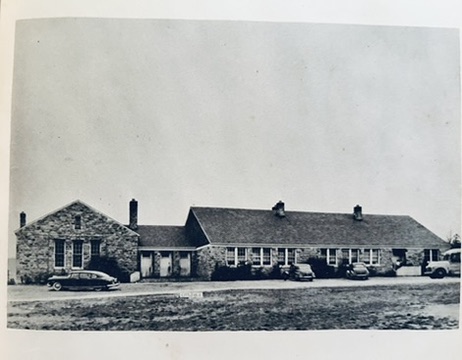
Littleville School, 1949

What I Learned From My Teachers

From Part 1: There’s a lot we carry from our school days—the lessons that stick, the ones that shape us in ways we only realize years later. I’ve been thinking about the teachers who left a deep impression on me, and how those early experiences continue to resonate as a quiet, steady presence in my life and work today. This piece (Parts 1 & 2) is dedicated to the teachers who shaped me, and I want to honor them by name.

Classrooms in Littleville Elementary & Junior High School
Classrooms in front of Littleville School shortly after its closure

Part 2: Miss Thorne, 7th Grade Math: A Lesson in Apology
Miss Janice Thorne, who became Mrs. Berry during our 7th-grade year, is the only teacher I ever apologized to as an adult. My behavior in her class was atrocious. I vividly remember entertaining my classmates by hiding in the classroom while she searched the campus for me—the day the principal, Mr. Morgan, called my dad. Not my mom. Dad. I don’t remember acting out much after that. Like Mrs. Wells, Miss Thorne had the unfortunate task of competing with Miss Renwick for my attention, but unlike Mrs. Wells, she wasn’t a natural commander. I’m really sorry, Miss Thorne.

Miss Thorne also had the misfortune of being assigned to teach us P.E., which required her to wear gym shorts, crew socks, and SeaVees gym shoes. For some reason, this embarrassed me, though I couldn’t have explained why. She was also a member of a neighboring congregation, so I saw her off and on through the years. That made my apology all the more meaningful when I finally had the courage to offer it.

Probably unsurprisingly, Janice left teaching the year after I had her as a teacher. I have reflected on whether my behavior might have contributed to her decision, and my small consolation is that she likely made a good deal of money by going to work for TVA. Miss Thorne—Mrs. Berry—died in 2023, and I am so glad I had the chance to show her respect as an adult.

Mr. Morgan, Principal and 7th Grade Social Studies: The Importance of Being Remembered
Mr. Morgan was the principal of Littleville School and also taught us 7th grade social studies. He was tall, having played basketball in his younger years, and he coached our teams with the same towering presence. His other claim to fame was that he had fought in the Korean War alongside Dan Blocker, who played Hoss in the very popular Bonanza TV show. I was glad to learn that Mr. Blocker was a nice person. Mr. Morgan regaled us with stories like these during social studies—and come to think of it, the Korean War was part of the curriculum. Mr. Morgan had the longest face I’d ever seen–one can’t help but recall Lurch from The Addams Family–and he spoke with a distinct impediment. We students discussed it and surmised that his tongue was attached to the bottom of his mouth—at least, that’s what it sounded like when he talked. But we quickly learned to understand him, and his speech became just another part of who he was.
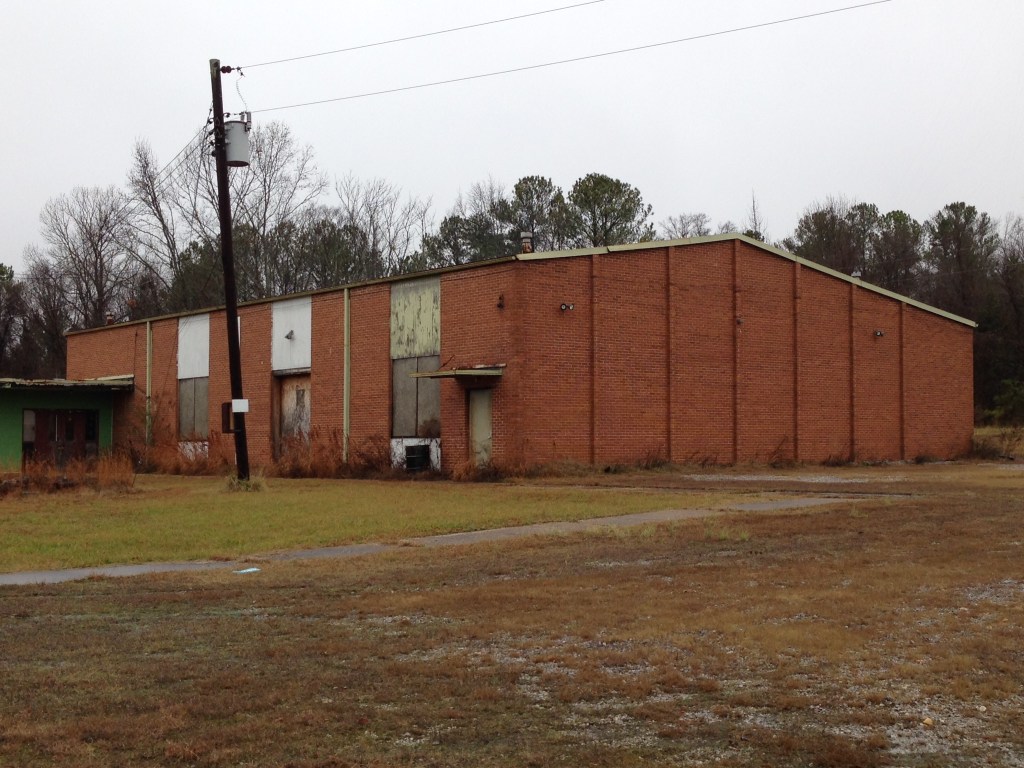
Littleville School Gymnasium
Run-down gym of Littleville School, a shell of its former self.

Every year I attended Littleville, I earned a paddling from Mr. Morgan. Unlike Mrs. Fowler’s little red-painted ping pong paddle that intimidated second graders, Mr. Morgan’s paddle was a serious piece of wood—it must have been two feet long and was covered in signatures from its many recipients over the years.

In the early 1990s, Littleville School was closed due to low enrollment. The town had suffered during the recessions of the 1970s, and eventually, the numbers just weren’t there to keep the school open. Before the doors closed for the last time, a “homecoming” was held for everyone who had ever attended. That included my parents, my brother, neighbors—even my grandparents. I was a grown young woman by then. My parents were reminiscing with Mr. Morgan, who chose to retire rather than move to another school. He looked at me and said, “I remember when I gave you a paddling one time, Ugena. I had to hold back a laugh when you looked up at me and said, ‘Mr. Morgan, this is going to hurt me more than it hurts you.'”
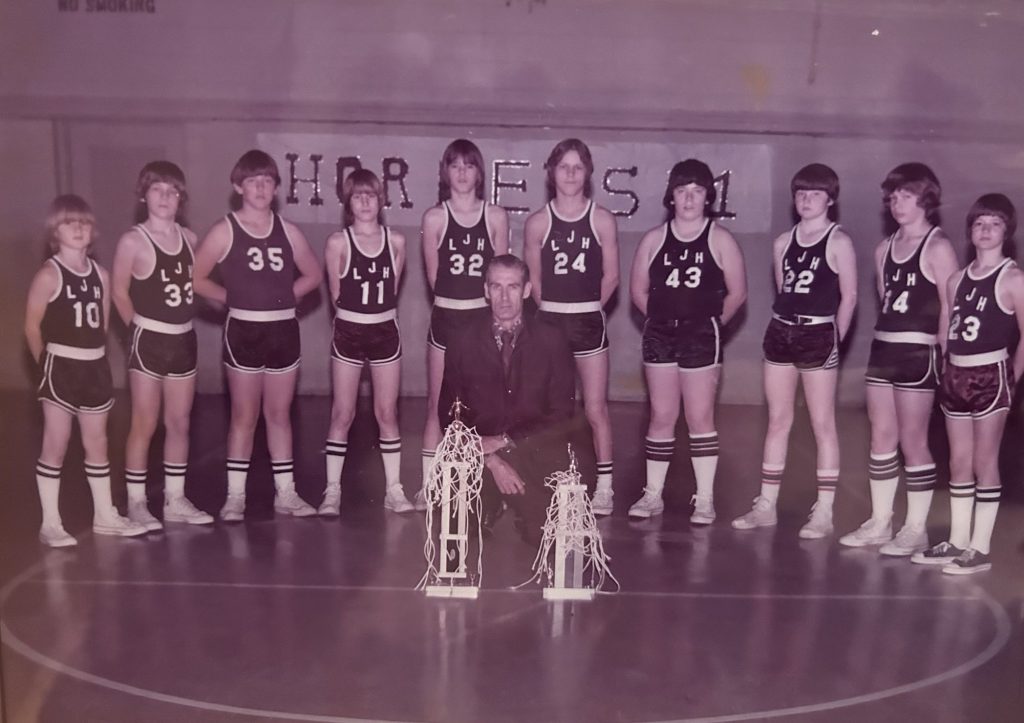
Littleville School "Hornets" Basketball Team, 1974. Center: Mr. Theron Morgan.
Littleville School “Hornets” Basketball Team, 1974. Center: Mr. Theron Morgan.

A 20-year career, and he remembered a joke from a 10-year-old girl. Because I was funny and smart. I had been memorable. That, I think, is my main lesson—that these people thought enough of me to remember me.

Mrs. Mansell, 9th Grade Algebra: Making Math Make Sense
In 8th grade, I transferred from Littleville to Russellville to join the RHS Marching 100 Band. My parents really sacrificed to make this happen, commuting me to school a half-hour away instead of the five-minute trip to Littleville. Almost every teacher I’ve mentioned so far had told my parents that I needed enrichment to keep me busy—that my acting out was because I was smart. That made an impact, so I went to Russellville instead of following my Littleville classmates to the county school. I have often wondered how different my life would have been if I had taken the natural path instead of forging the one I did. Two roads diverged…
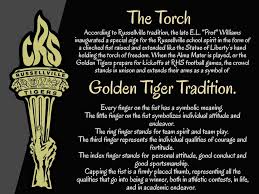
The RHS Torch and Tradition, a legacy of E.L. "Prof" Williams
The RHS Torch and Tradition, a legacy of E.L. “Prof” Williams

At Russellville, Mrs. Mansell stood out. She had real presence. She taught 9th grade Algebra and made math understandable in a way it hadn’t been since Mrs. Wells. Her father, E.L. “Prof” Williams, had been principal at Russellville High from 1937 to 1957, and my dad even remembered “Mickey” Mansell helping him register as a new student his ninth grade year. She connected with us, made herself available, and showed patience beyond measure. I remember being at a slumber party before exams, and a group of us girls called her for help. She patiently tutored us over the phone, and we all did well on exam day.
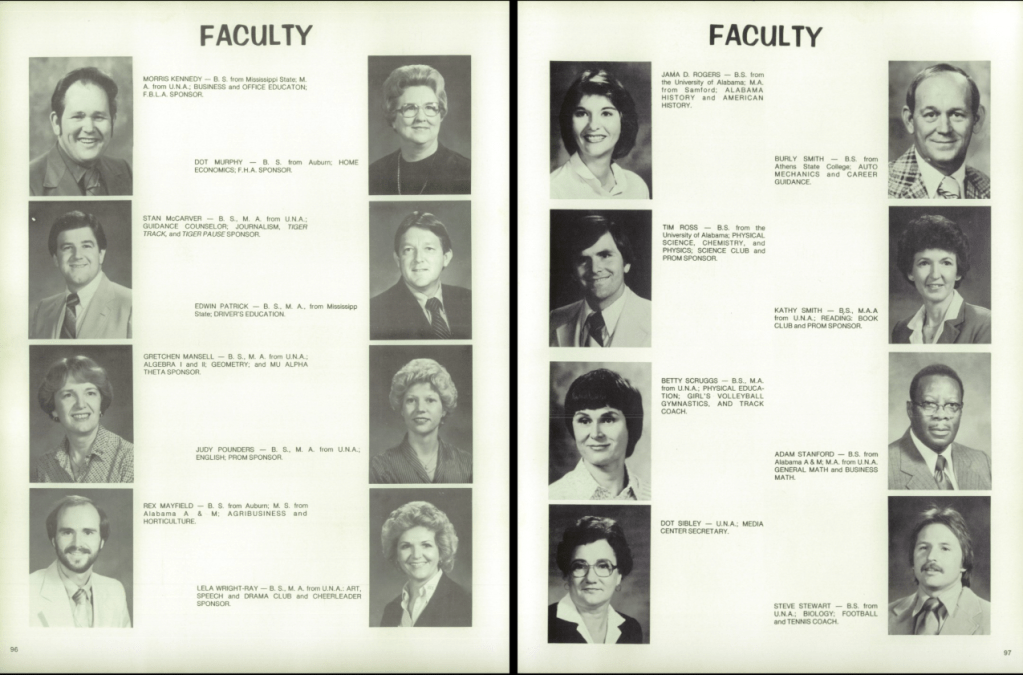
Faculty from 1982 Russellville High School Tiger Tracks Yearbook
Faculty from the RHS Tiger Tracks Yearbook; Mrs. Gretchen “Mickey” Mansell is in far right column, third from top

Despite her dedication and deep roots in the school’s history, Mrs. Mansell wasn’t allowed to teach upper-level math in the late 1970s. Those classes were reserved for a male teacher who prided himself on making his classes competitive. He openly stated that he taught to the valedictorian and salutatorian—to weed the rest of us out. I was weeded out of trigonometry in the first week. Discouraged and disheartened, I switched to Home Ec. I decided I’d rather study European and American furniture styles than endure that feeling on a regular basis.

I suppose I learned a lesson from him too—but of all my teachers, his was the biggest lesson on what not to do.

This piece is dedicated to the teachers who shaped me, and I want to honor them by name. They were the steady presence that guided a little girl from the country, who against all odds, would leave Littleville and go on to earn a doctorate and become a professor. I grew up knowing I was the “smart girl,” in part because they told me so—through their expectations, patience, and nurturing. They taught me lessons about kindness, resilience, community, and the quiet power of believing in someone. And as I reflect on my own teaching, I realize I’m still learning from them, still carrying their influence with me in every classroom I enter. I thank them so much.
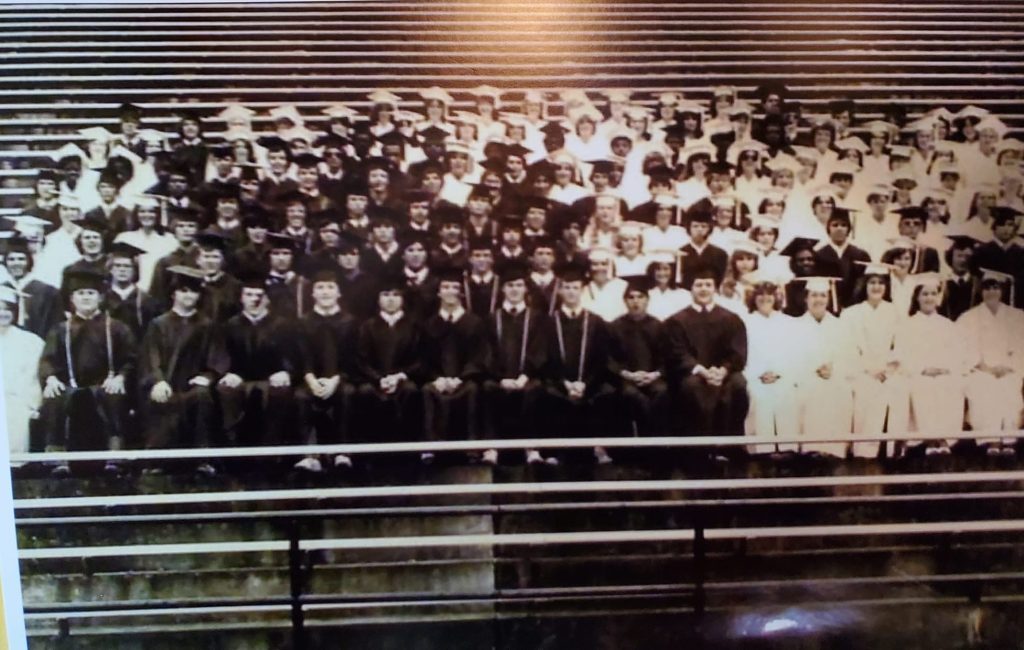
Russellville High School Senior Class Picture, 1981

Finding My Voice Again: A Musical Journey (Power of Music, Part 2)

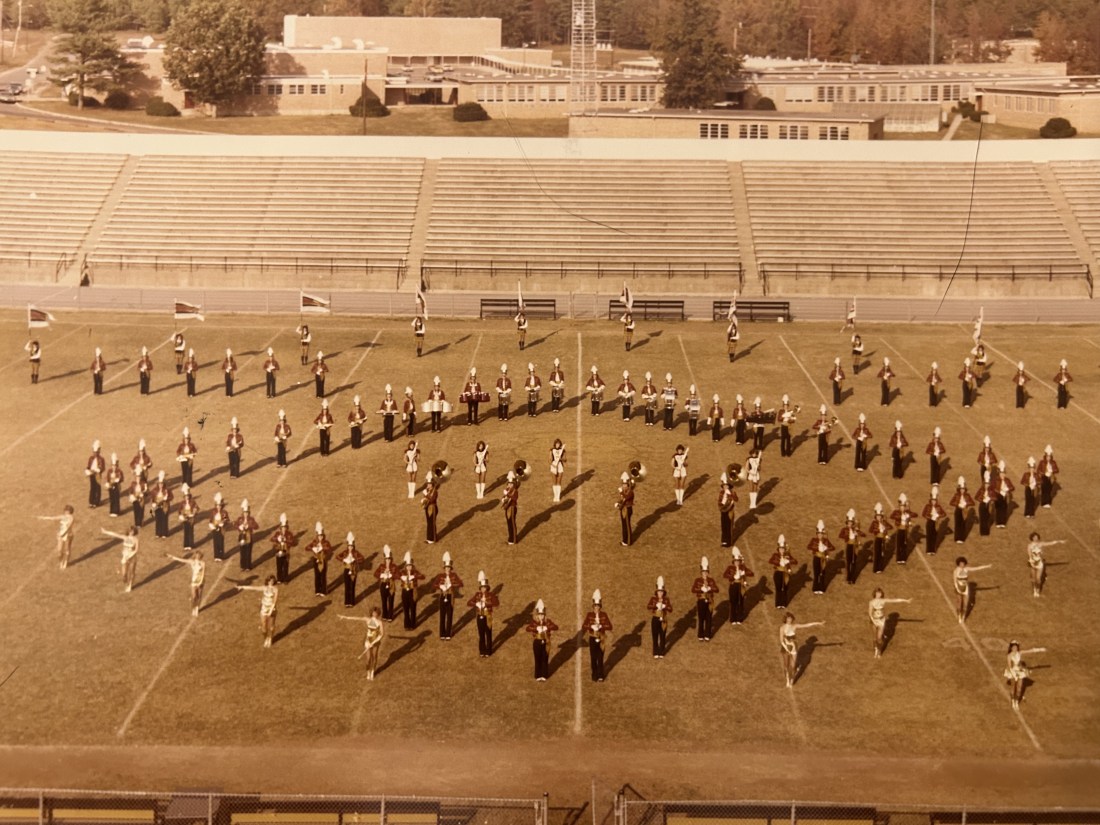
Image of 1979 Russellville Marching 100 Band Yearbook Picture

Finding My Voice Again

Music has always been more than just entertainment for me; it’s a pathway to the deepest parts of myself, a way to explore the complicated emotions that shape my inner being. Growing up, singing hymns a cappella in our small church was an unforgettable experience. I still recall sitting on a pew in the third row, right behind the song leader’s wife, with my friends Lynne and Susan. Our young voices would blend together in harmony, and Mrs. Greenhill would turn around, a twinkle in her eyes, to compliment our singing. “I heard you girls singing that alto,” she’d say. Those words of encouragement still resonate with me today.

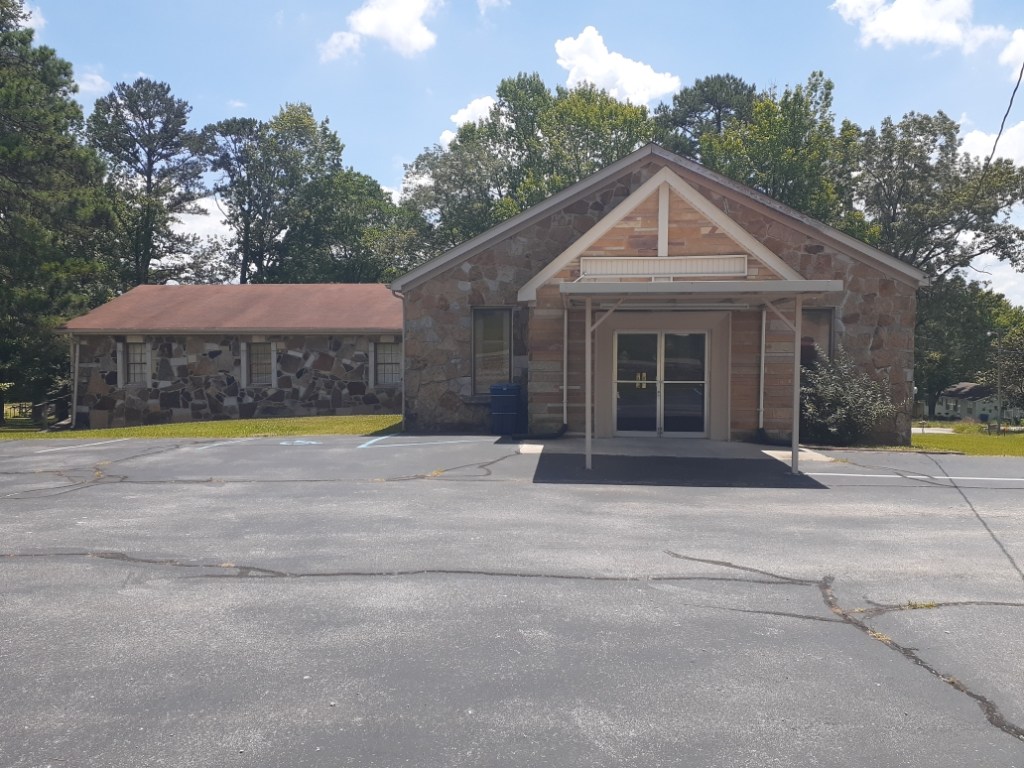
Image of small stone church, Littleville Church of Christ, Littleville, Alabama
My home church, Littleville Church of Christ, Littleville, Alabama

High school choir–the RHS Singers–was an incredible experience. We developed our singing abilities and musical knowledge as we discovered the pure joy of making music together, especially when we got to perform. I remember how proud I was when I wore the stage choir outfit made from gaberdine with matching rayon scarf that my Mom had sewn on her Singer sewing machine. I still remember the songs. And, as I’ve previously explored in my reflection on the RHS Marching 100, music has always held a significant place in my life. These experiences deeply shaped my love for music and continue to influence me today.

This strong connection to music was reaffirmed by my recent rediscovery of my old iPod. As I wrote in “The Playlist of Me: Forgotten iPod, Rediscovered Self,” my iPod held a collection of songs carefully chosen over time, each a reflection of a specific mood or memory. Listening to that forgotten playlist for the first time in a decade felt like uncovering a long-lost piece of myself. It was a powerful reminder of the abiding impact music has on my spirit.

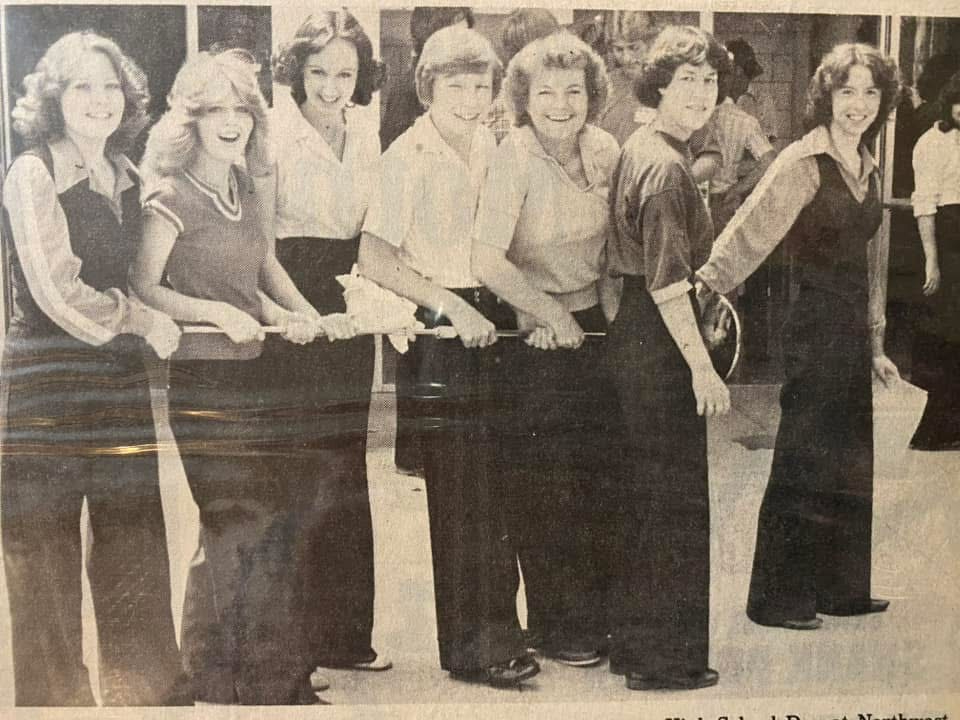
Image of seven teenagers in the Russellville High School RHS Singers choir, 1980
Joyful times! A group of RHS Singers being silly. We were “setting up” the microphone stand. I am third from right.

Darker Days

During my junior year, my boyfriend, who later became my husband, began to increasingly feel threatened by the time I spent with my classmates and the joyous importance of music in my life. Through subtle and not-so-subtle manipulations, he pressured me to miss choir and band gigs, culminating in his attempts to prevent me from going on an upcoming band trip to Washington D.C., a dream of mine. Heartbroken but worn down from struggling, I quit both. Losing these creative and social outlets devastated me, leaving a dark hole in my life where music and my connection with my classmates had once been.

After I graduated and we married, I began to have recurring dreams, vivid and unsettling. In these dreams, I would find myself transported back to my high school days, immersed in the music, the joy of playing my instrument washing over me. But the comfort of the dream would always be shattered by the harsh reality of waking, leaving me with a profound sense of loss and longing.

My marriage, unfortunately and unsurprisingly, amplified the unhealthy power dynamic between us. When we divorced, I finally felt free, but the loss of my 45s—taken from my belongings while I was packing—left me angry and heartbroken. Those records, collected during cherished weekly trips to town with my mom from as far back as I can remember until I got married, traced and preserved the years of my life growing up. Their disappearance wasn’t just a loss of possessions; it was a loss of something irreplaceable. I’ve been trying to rebuild that collection ever since, but those original records will always be gone. My only solace was that I no longer had the homesick dreams.

Image of blue plastic 45rpm record holder.
A similar blue plastic record holder to mine.

Looking back now, I see how, over time, I had become disconnected from vital parts of myself—choir, band, and even my cherished collection of 45s, all tangible links to my teenage years. The impact of the loss extended beyond the immediate. At this point, you may be thinking, “Well, lady, why didn’t you just play the radio or go to a concert? Why so dramatic?”

I continued to listen to music, of course, but it wasn’t the same. It was as if I was merely going through the motions, like a writer who stares at a blank page, unable to truly engage with the creative process. I didn’t realize how much I had distanced myself from the deep connection I once felt with music until I reconnected with it recently.

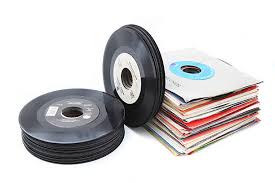
Image of a stack of old 45 rpm records

Rediscovering the Magic

The silencing of my musical expression that had been made complete during my marriage left a void in my life. However, the yearning for music never truly subsided. Years later, I found myself drawn back to the familiar comfort of church choir. The initial hesitation soon gave way to a renewed sense of joy as I rediscovered the power of music to uplift and connect. My voice, once silenced, found itself again. People would remark, “I’ve never seen anyone as happy as you look when you’re singing.” These simple observations resonated deeply, confirming that I had found my way back to a source of profound happiness and fulfillment.

Rediscovering the magic of music has brought unexpected joys. Sharing my father’s love for the music of his youth has been a deeply rewarding experience. As he hummed a long-forgotten tune for me, I would embark on a digital treasure hunt, searching for that elusive melody.

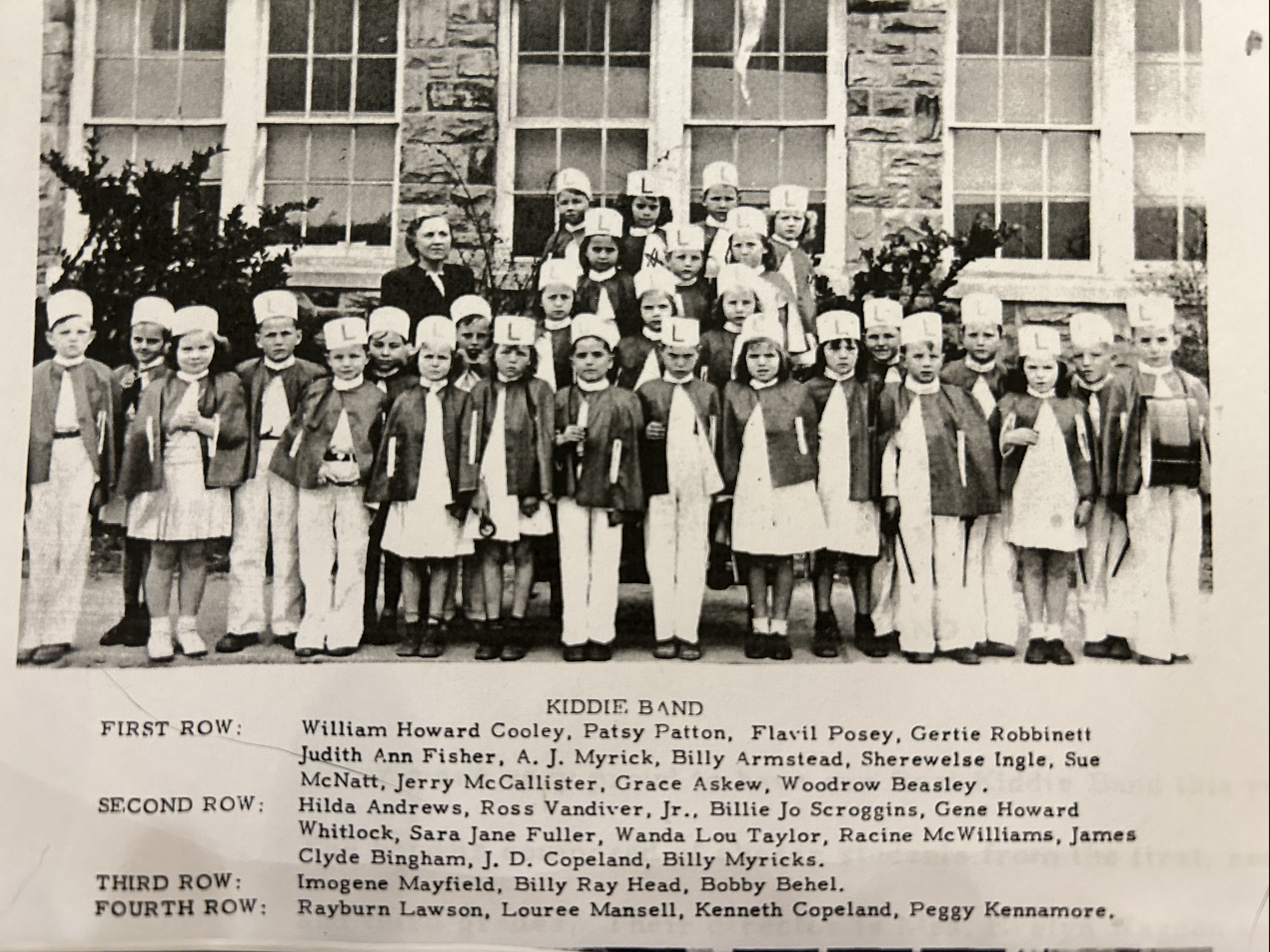
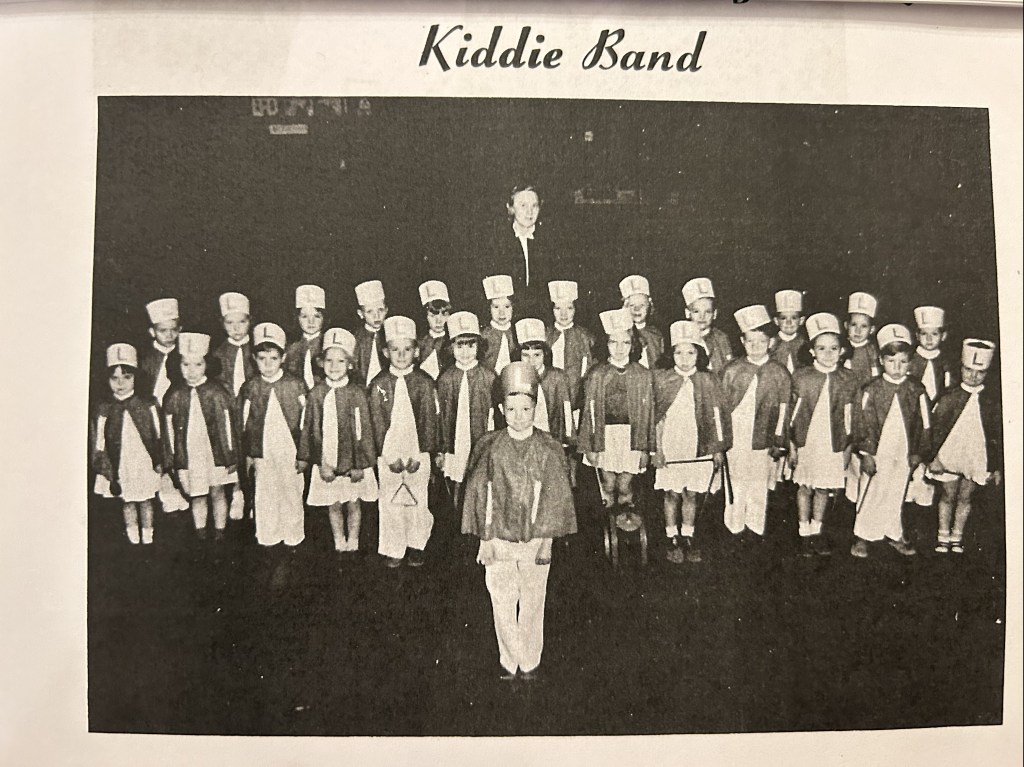
Image of 1949 Littleville School Kiddie Band
Littleville School Kiddie Band, 1949. Daddy, Gene Howard Whitlock, is in the second row.
Image of Littleville School Kiddie Band, 1950
1950 Kiddie Band. My Mother, Wonell Fisher, is in the back row, third from left.

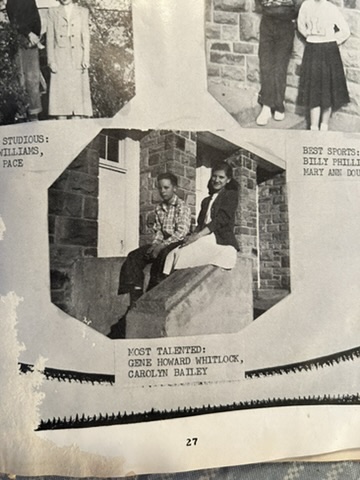
Downloading and burning CDs for him became a treasured ritual, a way to bridge the gap between generations and share a piece of his past. Both my parents fondly remember their days at Littleville School, where they had both been members of the Kiddie Band – a cherished program that sadly did not exist by the time I arrived. My father, a natural performer, particularly enjoyed his time in the band, relishing the opportunity to entertain the crowd. While looking through old yearbooks, my son and I discovered that Daddy had been voted Littleville School’s Most Talented in 1953–based mostly on his performance of Mr. Sandman–when he was in seventh grade. Mother had been a cheerleader, but that is another story.

Littleville School Most Talented 1953, Gene H. Whitlock
Littleville School 1953 Most Talented, Gene Howard Whitlock

The resurgence of vinyl, with its emphasis on the warmth and character of analog sound, has also brought a new dimension to my musical journey. Listening to records again evokes vivid memories of my childhood and hours spent browsing records at TG&Y with Mom, while also connecting me to the music that shaped me. Growing up a lonely kid in a small town, I spent many Saturday nights sitting in the dark listening to Wolfman Jack on my folks’ RCA console stereo. For years, I didn’t have a record player, but Sarah found one on Facebook Marketplace and encouraged me to buy it, convinced it would bring me peace and happiness. The reality, however, has been more complex, stirring emotions and reflections I hadn’t expected.

Listening to old hymns like those I sang in the little brick church house evoked a flood of powerful feelings. The harmonies, the raw emotion, the memories of singing alongside Lynne and Susan on the church pew, all come rushing back. After witnessing me tearfully singing along with the Chuck Wagon Gang, Sarah gently noticed that while she had anticipated a sense of peace and happiness, she had not expected the tears.

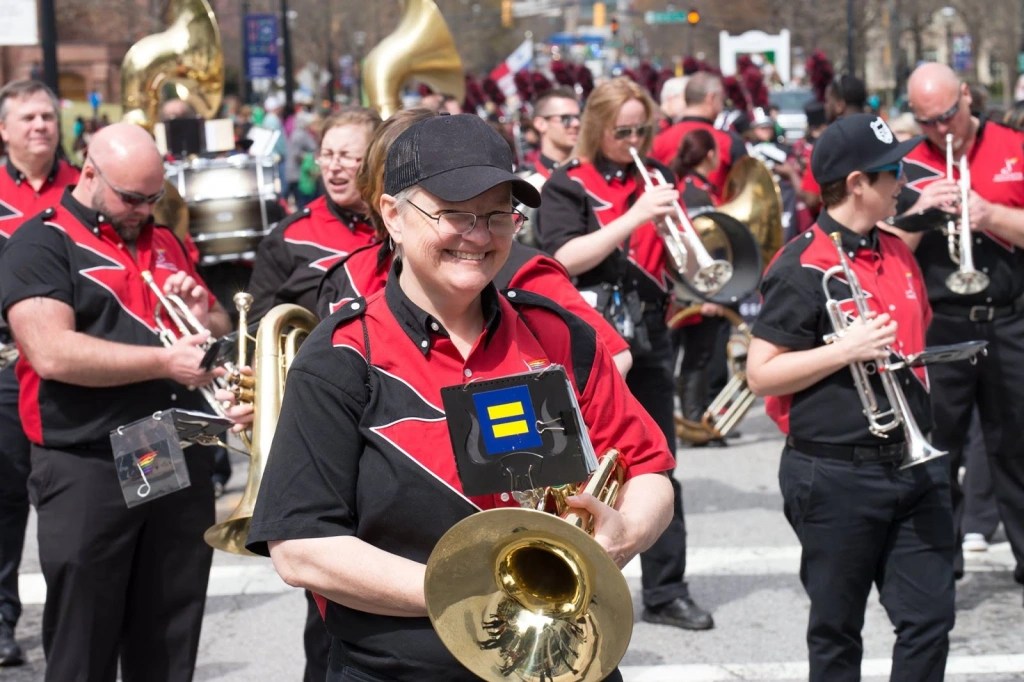
Image of marching band, includes trumpet players, tuba players, and drums in background. Ugena Whitlock with mellophone in foreground.
Ready to march in a parade with the Atlanta Freedom Bands with my mellophone

In addition to church choir, joining the Atlanta Freedom Bands provided a powerful outlet for my musical expression. The first time I marched in a parade after more than 40 years, the music surged through me, a wave of joy and liberation washing over me. It was as if a dormant part of my soul had finally awakened. Community band serves as a poignant reminder that it’s never too late to rediscover and nurture our passions. Even if it harder to march a mile uphill forty years when I’m older.

Looking back, the unhappiness of that earlier period cast a long shadow over my understanding of music’s role in my life. It seemed to be a casualty of that tumultuous time. Yet, amid the pain and regret, an innocent, peaceful memory emerges. In stage choir performances way back in 1979, I can still see Robert, his guy’s choir costume accented with a 1920s white straw boater hat, dancing the routine with his partner (I, a product of my fundamentalist upbringing, was decidedly not a dancer!). They were performing to the choral version of “Close to You” by The Carpenters. Robert, a good boy from a troubled background, died a few years ago. I wrote about it in a previous blog post: For Bob.

I can’t hear “Close to You” today without that sweet memory, and sometimes its poignancy is so powerful, I cry. For him, for us, for episodes of happiness amid the turmoil of two people who married far too young – the passage of time allows me to see without the lingering pain. This, in the end, is what music truly means to me: its magic, mysterious, and soul-stirring power to bring me to gentleness and peace. It helps me to heal by reminding me of the beauty and fragility of life. Through music, I cherish the precious moments of joy from even the darkest times. And, I must admit, even though I have been to the nation’s capital many times, I still regret not going to D.C. with the band.

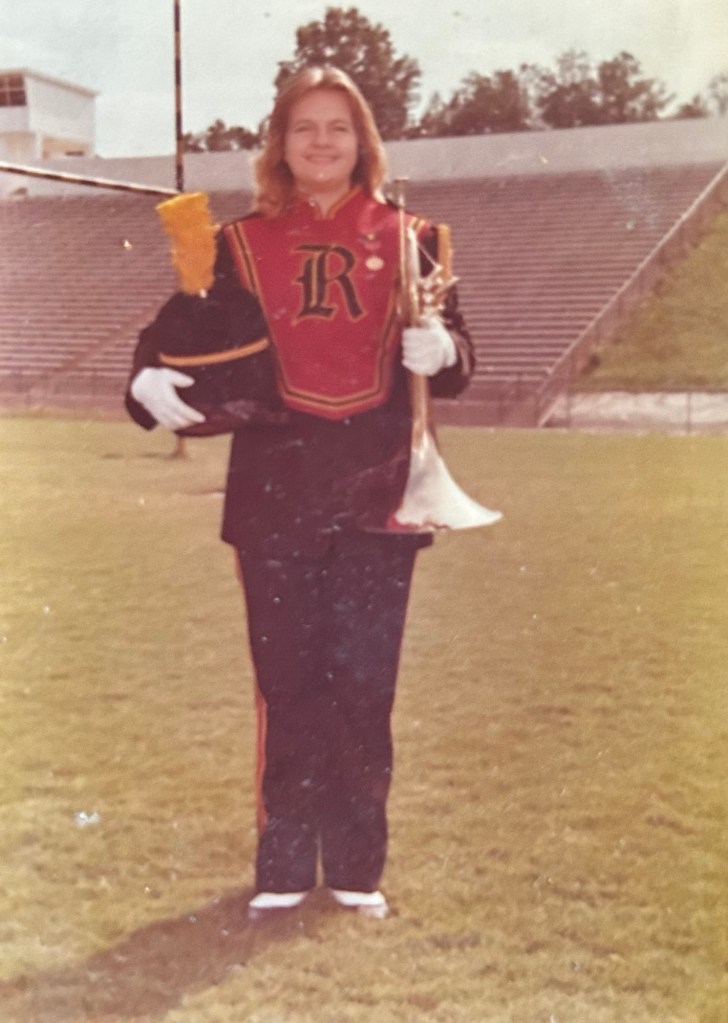
Image of band student Ugena Whitlock posing with mellophone in band uniform, 1977.
The first time I saw a Russellville Marching 100 band uniform, my young life’s goal was to wear one! Here I am, complete with gloves, spats, and mellophone. Notice the old shaker hat with plume and the medal for winning the Greatest Bands in Dixie Competition in New Orleans.