Embracing Life Before Retirement: A Personal Journey

When I told Sarah I was thinking of titling this post Embracing Life Before Retirement, I could practically hear the pearl-clutching. Let me say right here at the start: I’m not counting down the days to stop working. I’m not slacking off. I don’t have too much time on my hands. In fact, I’m working hard — joyfully so. This isn’t about stepping back; it’s about growing into myself. At my age, the question of who am I becoming? carries a certain urgency.

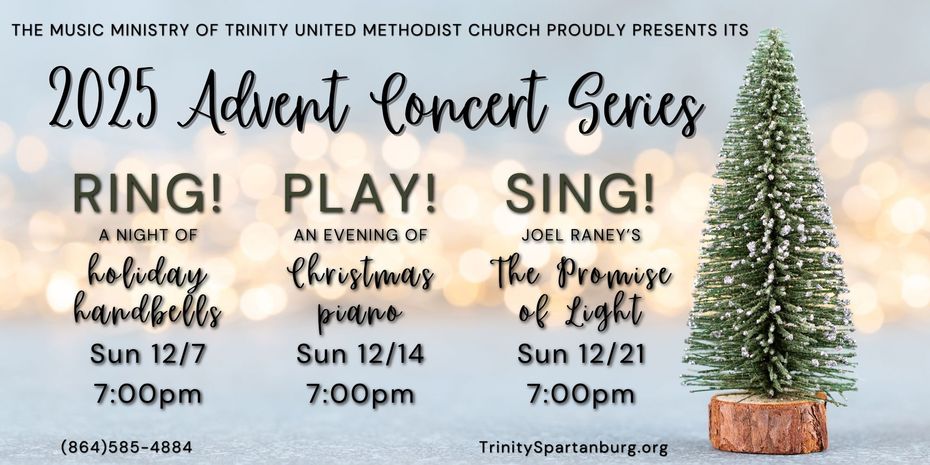
Sarah, who can always “find me something to do,” sent me a link to the Spartanburg Community Band. I dusted off my French horn, loaded it into the Mini, and showed up. I played as softly as I could, listening to my neighbor for the pitch while I re-learned fingerings and remembered how to breathe as I buzzed the mouthpiece. Not long after, I joined the choir at the neighborhood Trinity United Methodist Church. Which, of course, meant I was also drafted into the handbell choir. (It’s funny how the choir members who double as bell-ringers, plus the music director, all grinned and said, “Well, handbells on Monday, choir on Wednesday!”) So, I guess I’m in handbells now too.

And then came the start of the new semester. I walked into the cafeteria for the back-to-school breakfast the university provides. I sat with colleagues, caught up on life, and we laughed together as we talked about classes we’re teaching. There was such positive energy around our table! Later, I listened to our chancellor give the State of the University address — which, by the way, is good. Then the deans introduced new faculty.

I took a moment to reflect on the dean who had taken my place. She is kind and thoughtful, already working to build community in our college. I felt warmth and satisfaction, a kind of peace. Like sitting on the porch listening to cicadas at dusk, when the heat of the day has finally lifted. She has a quiet confidence, the kind that signals she knows what she’s doing. That she’s got this. The kind of confidence I now have too — as faculty.

As if the universe were reaffirming that I am in the right role — that I am where I’m supposed to be — two invitations arrived that same day. One colleague invited me to do a book talk with their curriculum theory class, reconnecting me with scholarship and teaching I had missed during my years in administration. Another asked me to consider contributing a chapter to an upcoming Handbook of Ignorance Studies in Education. Now, I know that ignorance studies is a highly serious matter, but me being me, I can’t help chuckling at the title. It feels like the perfect opportunity to bring a little folksy charm and sense of irony to the subject. Both invitations humbled and inspired me. Coming just one day before the semester began, they reinforced my professional identity as teacher, scholar, and service colleague (and yes, committee assignments also arrived that day).

So what do I mean when I say embracing life before retirement? When I imagine retirement, I hear the people who, whenever asked “How’s retirement?” say, “I don’t know how I ever got everything done when I worked. There just aren’t enough hours in the day!” Almost everybody says that when asked. Retirement, for many, is a season of busy leisure, where the biggest problem is deciding what leisure looks like. If you want to take a nap, you can take a nap. If you want to read, you can read. Because nothing is pressing you to be somewhere else.

And yet, I’m tasting a version of that right now — a freedom to choose what matters most, even while working. Music. Teaching. Writing. E-triking. Monthly Breakfast Club with Sarah and a couple of colleague friends. Nourishment for mind, body, and spirit. Life still has its hiccups and valleys — I’m not pretending otherwise. I know they are sometimes filled with loss and grief, unfulfilled dreams, guilt, and yes, fear. And when those valleys come, I still get low and afraid, just as I always have. Sarah is right: I need ways to pull myself out of them. And honestly? An e-trike ride with my French horn slung over my shoulder feels just about right.

Even when I was younger, I used to (half) joke: I’ll never be able to retire — they’ll have to roll me out of school in my coffin. Now that I’m within six to eight years of retirement, that gnawing fear still tugs at me. I’m close. A decade ago, when I entered administration, I even set a countdown timer app on my phone. That should have been the clue right there that I wasn’t where I needed to be. I don’t look at that timer anymore.

The difference now is that I think about the last days, and the blessings God has knocked me over the head with. Yes, there will still be valleys — loss and grief, unfulfilled dreams, guilt, and fear. But alongside them, there is also laughter, music, students, writing, dogs, cats, and Sarah. And I realize that if this is my life for another decade while I work — teaching, music, writing, laughter, valleys and all — not only will I “make it” to retirement, I can embrace the mindset now.

Almost like retirement. But better.

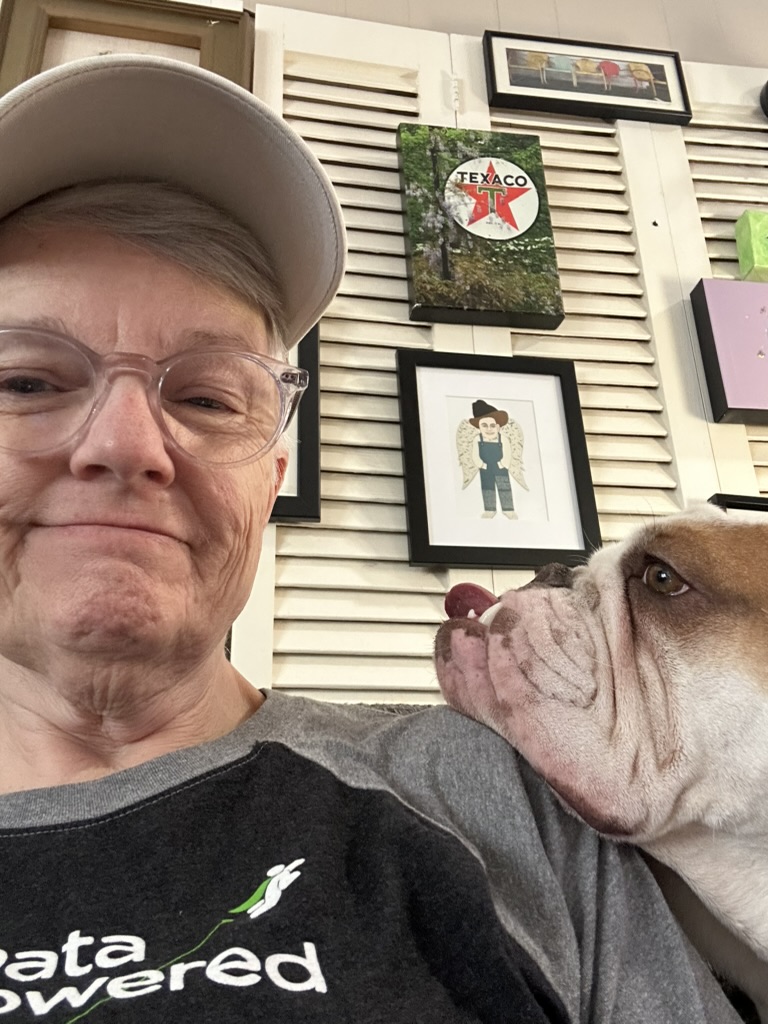
Image of Ugena Whitlock and bulldog.
Who is that old person being lovingly gazed at by Bruno the bulldog?
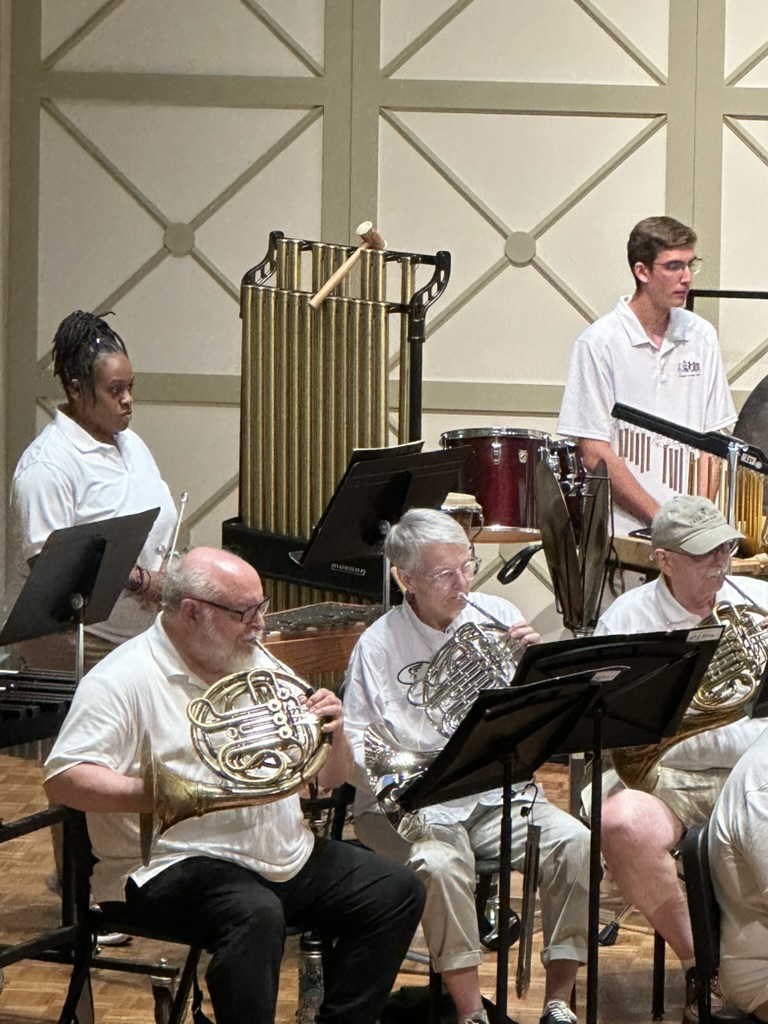
Playing French Horn with SCB
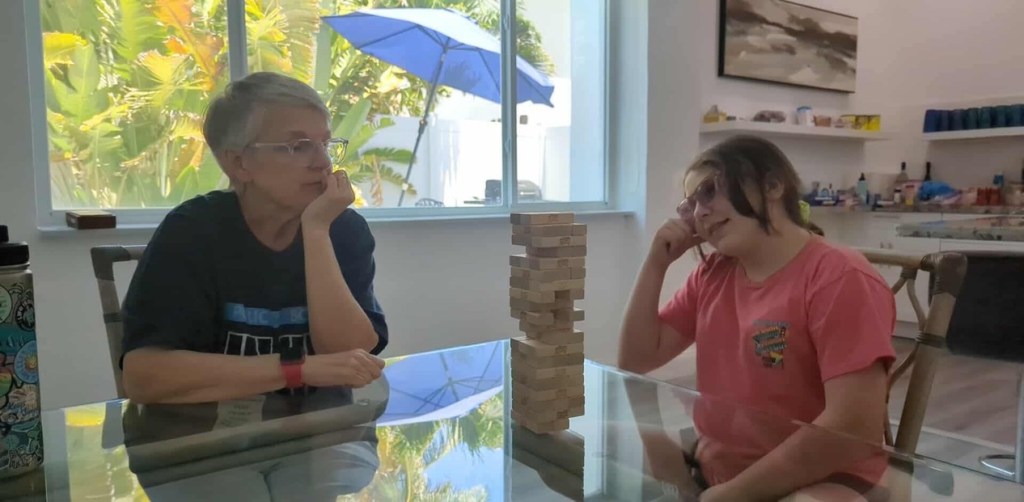
On vacation with Rory.
Bruno has the last word.

Finding My Voice Again: A Musical Journey (Power of Music, Part 2)

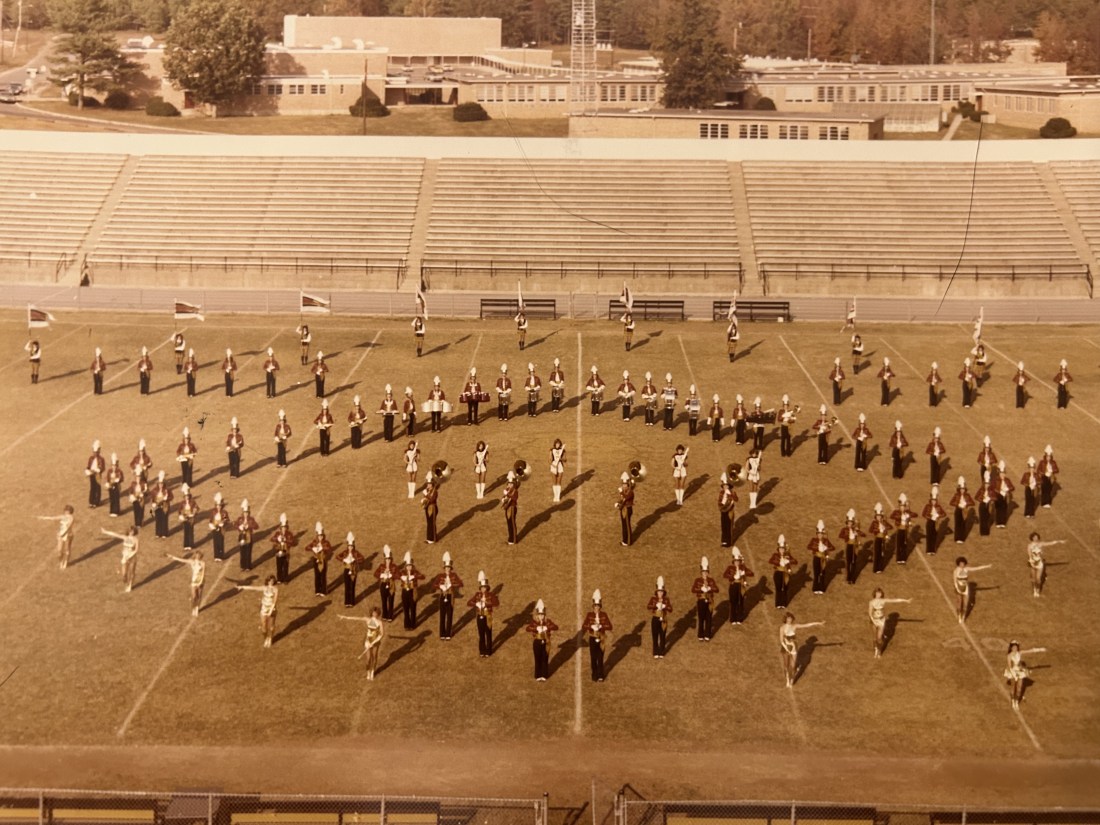
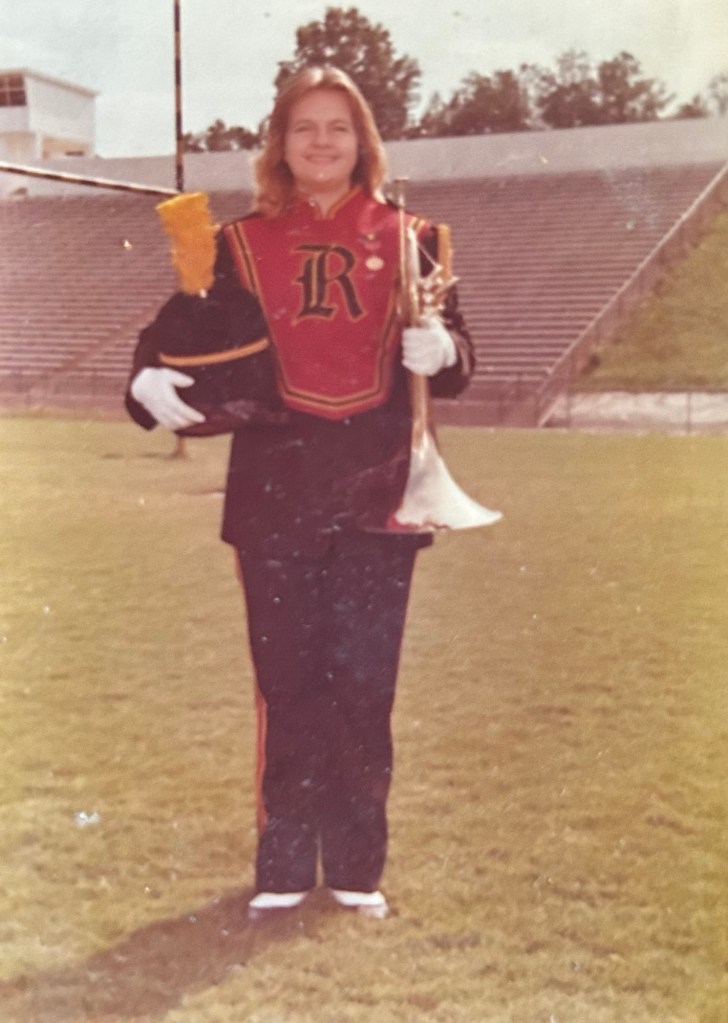
Image of 1979 Russellville Marching 100 Band Yearbook Picture

Finding My Voice Again

Music has always been more than just entertainment for me; it’s a pathway to the deepest parts of myself, a way to explore the complicated emotions that shape my inner being. Growing up, singing hymns a cappella in our small church was an unforgettable experience. I still recall sitting on a pew in the third row, right behind the song leader’s wife, with my friends Lynne and Susan. Our young voices would blend together in harmony, and Mrs. Greenhill would turn around, a twinkle in her eyes, to compliment our singing. “I heard you girls singing that alto,” she’d say. Those words of encouragement still resonate with me today.

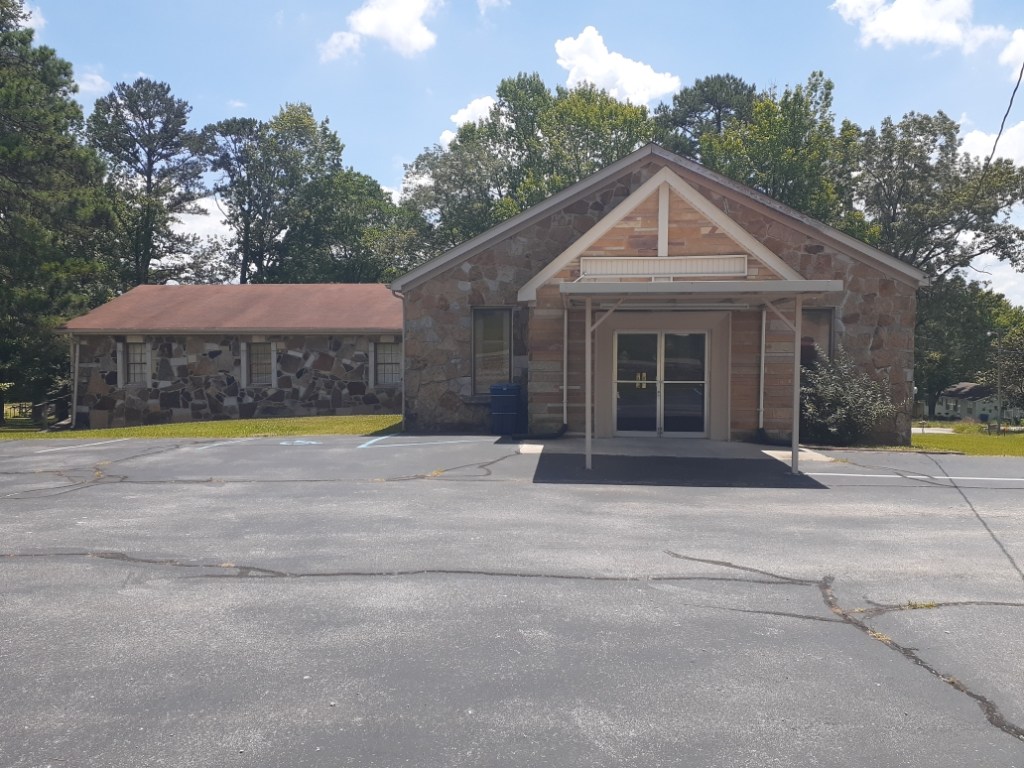
Image of small stone church, Littleville Church of Christ, Littleville, Alabama
My home church, Littleville Church of Christ, Littleville, Alabama

High school choir–the RHS Singers–was an incredible experience. We developed our singing abilities and musical knowledge as we discovered the pure joy of making music together, especially when we got to perform. I remember how proud I was when I wore the stage choir outfit made from gaberdine with matching rayon scarf that my Mom had sewn on her Singer sewing machine. I still remember the songs. And, as I’ve previously explored in my reflection on the RHS Marching 100, music has always held a significant place in my life. These experiences deeply shaped my love for music and continue to influence me today.

This strong connection to music was reaffirmed by my recent rediscovery of my old iPod. As I wrote in “The Playlist of Me: Forgotten iPod, Rediscovered Self,” my iPod held a collection of songs carefully chosen over time, each a reflection of a specific mood or memory. Listening to that forgotten playlist for the first time in a decade felt like uncovering a long-lost piece of myself. It was a powerful reminder of the abiding impact music has on my spirit.

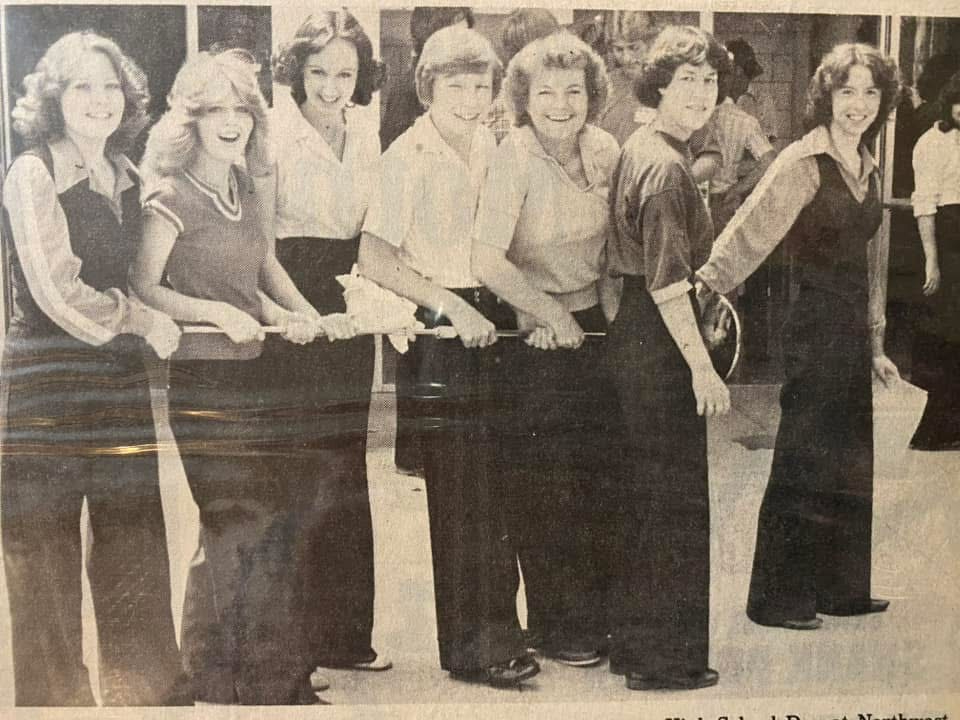
Image of seven teenagers in the Russellville High School RHS Singers choir, 1980
Joyful times! A group of RHS Singers being silly. We were “setting up” the microphone stand. I am third from right.

Darker Days

During my junior year, my boyfriend, who later became my husband, began to increasingly feel threatened by the time I spent with my classmates and the joyous importance of music in my life. Through subtle and not-so-subtle manipulations, he pressured me to miss choir and band gigs, culminating in his attempts to prevent me from going on an upcoming band trip to Washington D.C., a dream of mine. Heartbroken but worn down from struggling, I quit both. Losing these creative and social outlets devastated me, leaving a dark hole in my life where music and my connection with my classmates had once been.

After I graduated and we married, I began to have recurring dreams, vivid and unsettling. In these dreams, I would find myself transported back to my high school days, immersed in the music, the joy of playing my instrument washing over me. But the comfort of the dream would always be shattered by the harsh reality of waking, leaving me with a profound sense of loss and longing.

My marriage, unfortunately and unsurprisingly, amplified the unhealthy power dynamic between us. When we divorced, I finally felt free, but the loss of my 45s—taken from my belongings while I was packing—left me angry and heartbroken. Those records, collected during cherished weekly trips to town with my mom from as far back as I can remember until I got married, traced and preserved the years of my life growing up. Their disappearance wasn’t just a loss of possessions; it was a loss of something irreplaceable. I’ve been trying to rebuild that collection ever since, but those original records will always be gone. My only solace was that I no longer had the homesick dreams.

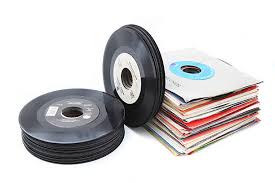
Image of blue plastic 45rpm record holder.
A similar blue plastic record holder to mine.

Looking back now, I see how, over time, I had become disconnected from vital parts of myself—choir, band, and even my cherished collection of 45s, all tangible links to my teenage years. The impact of the loss extended beyond the immediate. At this point, you may be thinking, “Well, lady, why didn’t you just play the radio or go to a concert? Why so dramatic?”

I continued to listen to music, of course, but it wasn’t the same. It was as if I was merely going through the motions, like a writer who stares at a blank page, unable to truly engage with the creative process. I didn’t realize how much I had distanced myself from the deep connection I once felt with music until I reconnected with it recently.

Image of a stack of old 45 rpm records

Rediscovering the Magic

The silencing of my musical expression that had been made complete during my marriage left a void in my life. However, the yearning for music never truly subsided. Years later, I found myself drawn back to the familiar comfort of church choir. The initial hesitation soon gave way to a renewed sense of joy as I rediscovered the power of music to uplift and connect. My voice, once silenced, found itself again. People would remark, “I’ve never seen anyone as happy as you look when you’re singing.” These simple observations resonated deeply, confirming that I had found my way back to a source of profound happiness and fulfillment.

Rediscovering the magic of music has brought unexpected joys. Sharing my father’s love for the music of his youth has been a deeply rewarding experience. As he hummed a long-forgotten tune for me, I would embark on a digital treasure hunt, searching for that elusive melody.

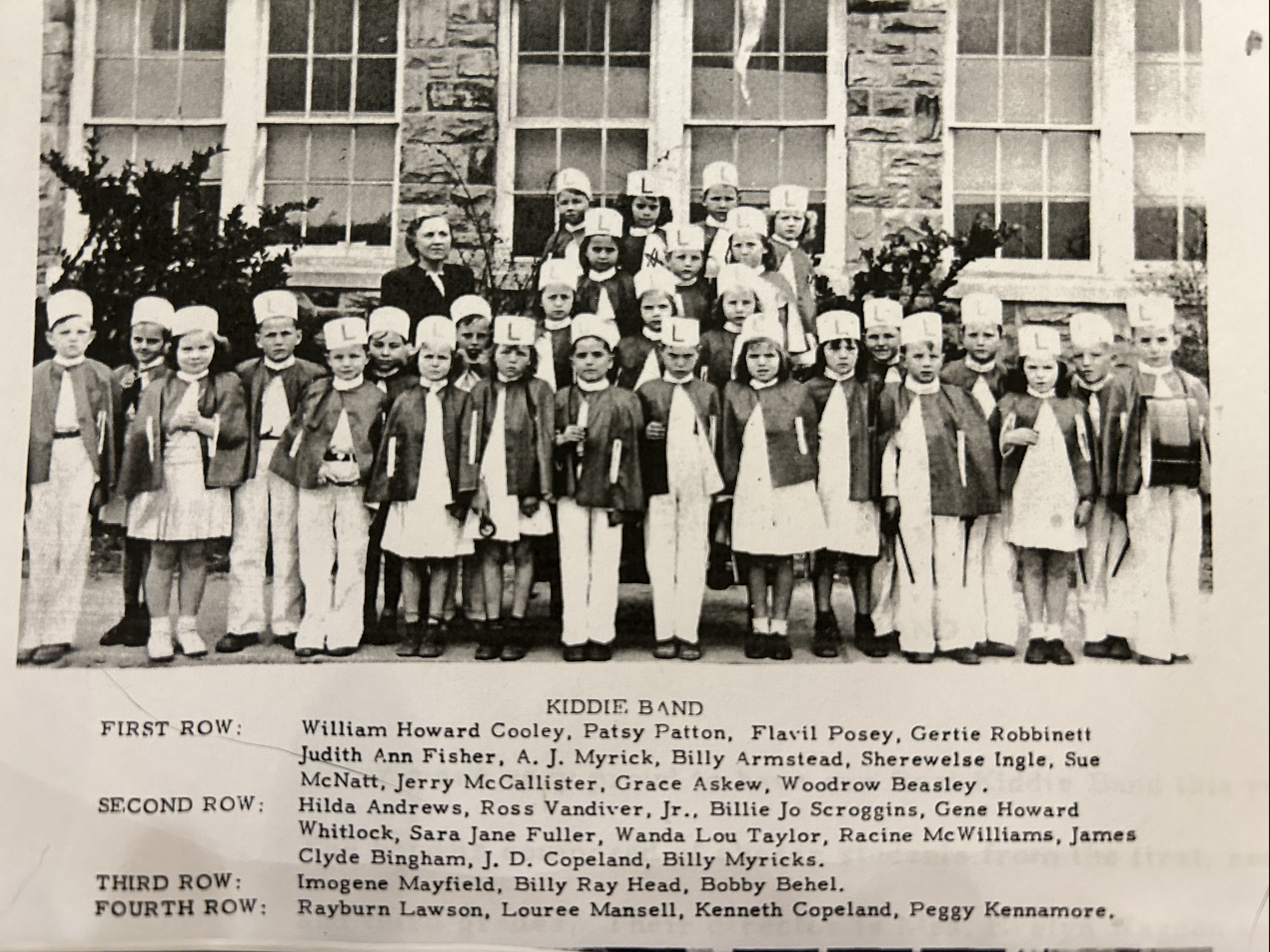
Image of 1949 Littleville School Kiddie Band
Littleville School Kiddie Band, 1949. Daddy, Gene Howard Whitlock, is in the second row.
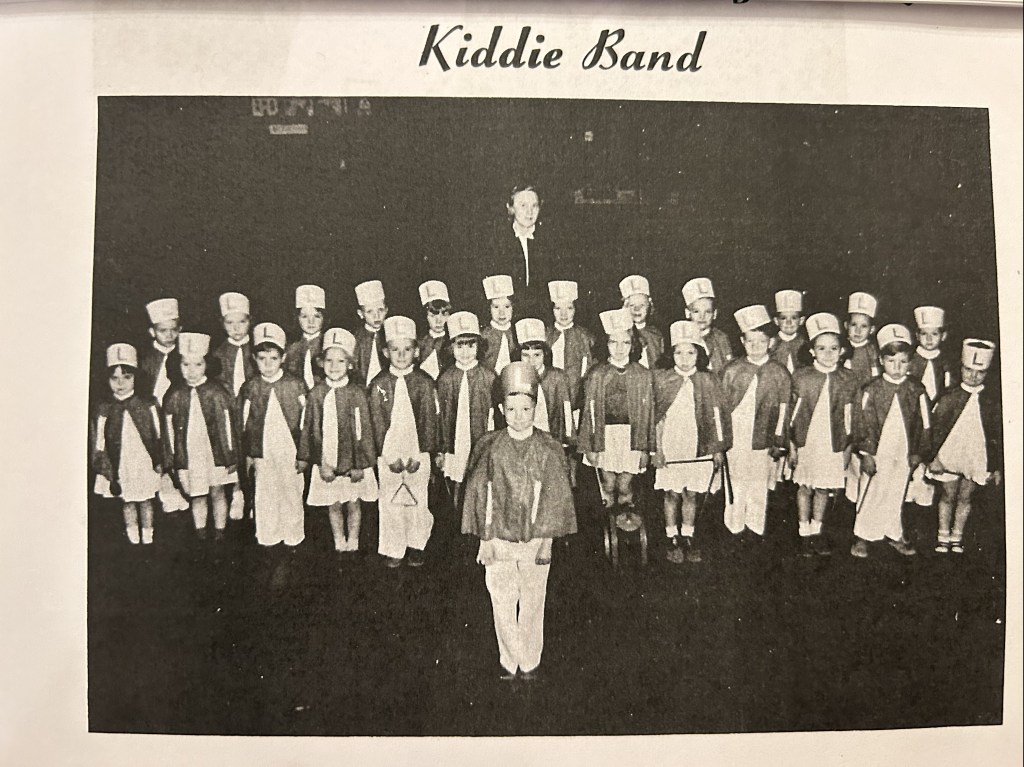
Image of Littleville School Kiddie Band, 1950
1950 Kiddie Band. My Mother, Wonell Fisher, is in the back row, third from left.

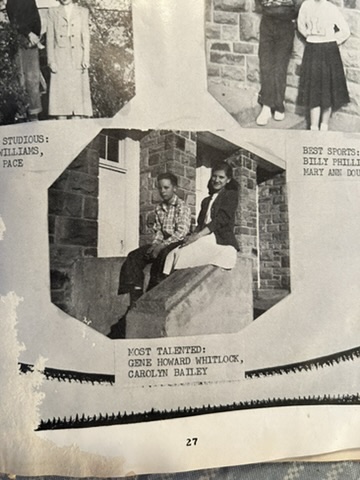
Downloading and burning CDs for him became a treasured ritual, a way to bridge the gap between generations and share a piece of his past. Both my parents fondly remember their days at Littleville School, where they had both been members of the Kiddie Band – a cherished program that sadly did not exist by the time I arrived. My father, a natural performer, particularly enjoyed his time in the band, relishing the opportunity to entertain the crowd. While looking through old yearbooks, my son and I discovered that Daddy had been voted Littleville School’s Most Talented in 1953–based mostly on his performance of Mr. Sandman–when he was in seventh grade. Mother had been a cheerleader, but that is another story.

Littleville School Most Talented 1953, Gene H. Whitlock
Littleville School 1953 Most Talented, Gene Howard Whitlock

The resurgence of vinyl, with its emphasis on the warmth and character of analog sound, has also brought a new dimension to my musical journey. Listening to records again evokes vivid memories of my childhood and hours spent browsing records at TG&Y with Mom, while also connecting me to the music that shaped me. Growing up a lonely kid in a small town, I spent many Saturday nights sitting in the dark listening to Wolfman Jack on my folks’ RCA console stereo. For years, I didn’t have a record player, but Sarah found one on Facebook Marketplace and encouraged me to buy it, convinced it would bring me peace and happiness. The reality, however, has been more complex, stirring emotions and reflections I hadn’t expected.

Listening to old hymns like those I sang in the little brick church house evoked a flood of powerful feelings. The harmonies, the raw emotion, the memories of singing alongside Lynne and Susan on the church pew, all come rushing back. After witnessing me tearfully singing along with the Chuck Wagon Gang, Sarah gently noticed that while she had anticipated a sense of peace and happiness, she had not expected the tears.

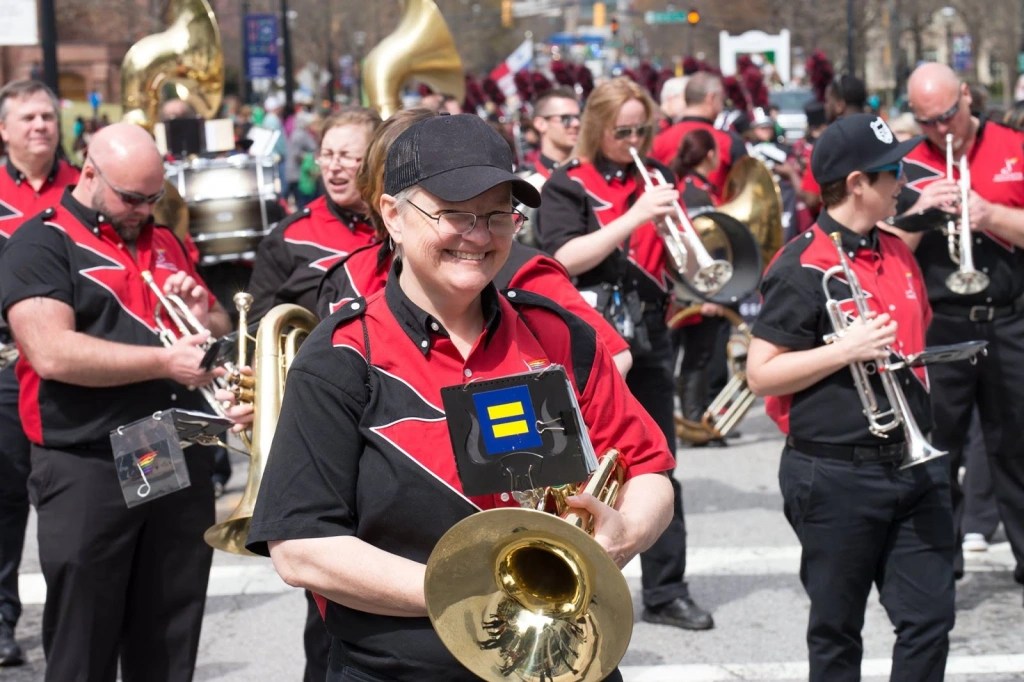
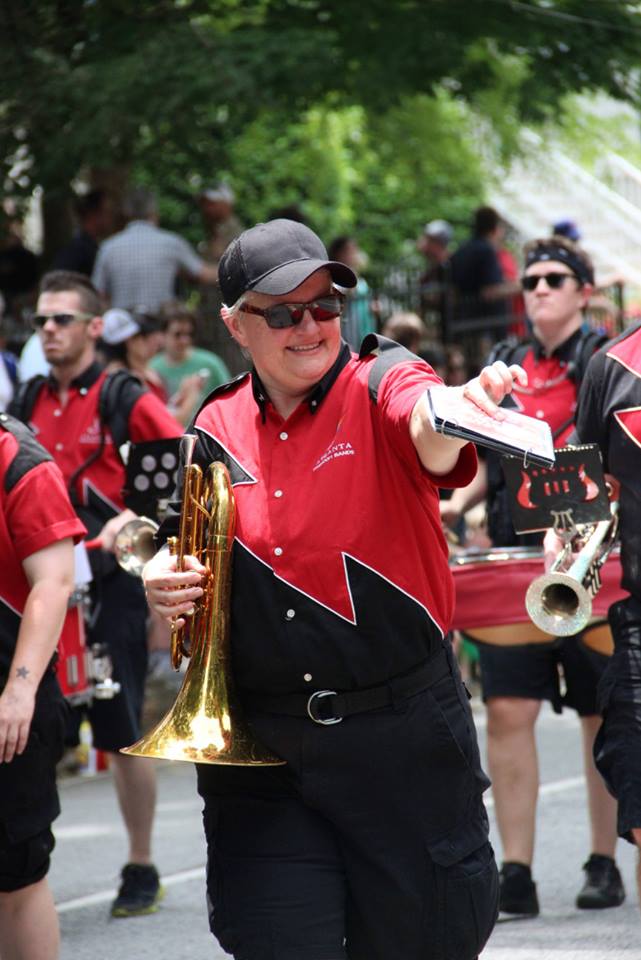
Image of marching band, includes trumpet players, tuba players, and drums in background. Ugena Whitlock with mellophone in foreground.
Ready to march in a parade with the Atlanta Freedom Bands with my mellophone

In addition to church choir, joining the Atlanta Freedom Bands provided a powerful outlet for my musical expression. The first time I marched in a parade after more than 40 years, the music surged through me, a wave of joy and liberation washing over me. It was as if a dormant part of my soul had finally awakened. Community band serves as a poignant reminder that it’s never too late to rediscover and nurture our passions. Even if it harder to march a mile uphill forty years when I’m older.

Looking back, the unhappiness of that earlier period cast a long shadow over my understanding of music’s role in my life. It seemed to be a casualty of that tumultuous time. Yet, amid the pain and regret, an innocent, peaceful memory emerges. In stage choir performances way back in 1979, I can still see Robert, his guy’s choir costume accented with a 1920s white straw boater hat, dancing the routine with his partner (I, a product of my fundamentalist upbringing, was decidedly not a dancer!). They were performing to the choral version of “Close to You” by The Carpenters. Robert, a good boy from a troubled background, died a few years ago. I wrote about it in a previous blog post: For Bob.

I can’t hear “Close to You” today without that sweet memory, and sometimes its poignancy is so powerful, I cry. For him, for us, for episodes of happiness amid the turmoil of two people who married far too young – the passage of time allows me to see without the lingering pain. This, in the end, is what music truly means to me: its magic, mysterious, and soul-stirring power to bring me to gentleness and peace. It helps me to heal by reminding me of the beauty and fragility of life. Through music, I cherish the precious moments of joy from even the darkest times. And, I must admit, even though I have been to the nation’s capital many times, I still regret not going to D.C. with the band.

Image of band student Ugena Whitlock posing with mellophone in band uniform, 1977.
The first time I saw a Russellville Marching 100 band uniform, my young life’s goal was to wear one! Here I am, complete with gloves, spats, and mellophone. Notice the old shaker hat with plume and the medal for winning the Greatest Bands in Dixie Competition in New Orleans.

The Playlist of me: Forgotten iPod, Rediscovered Self (Power of Music, Part 1)

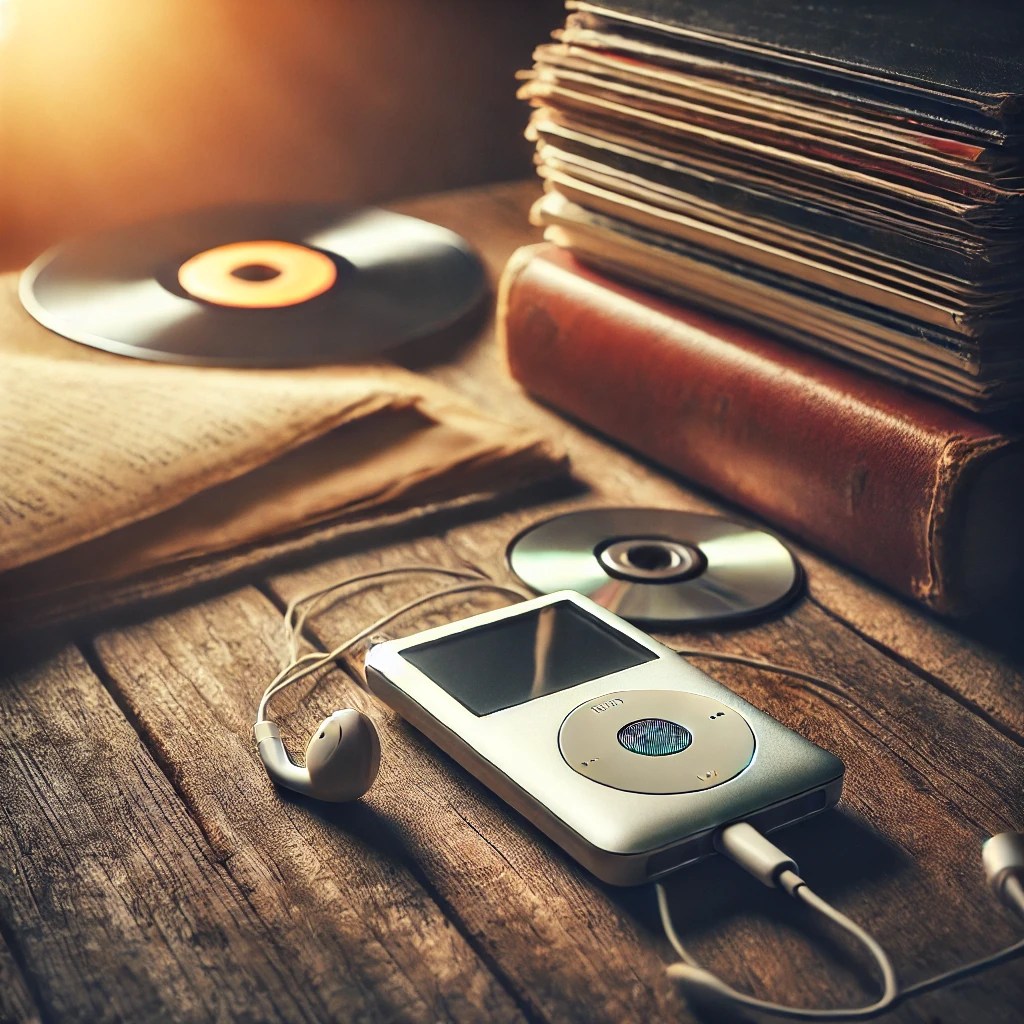
A warm, nostalgic scene featuring a vintage iPod with earbuds resting on a wooden table. Surrounding the iPod are a stack of old CDs and vinyl records, symbolizing a love for music across different eras. Soft, ambient lighting creates a cozy and reflective atmosphere, with a hint of a worn journal and handwritten notes in the background, evoking a sense of personal rediscovery and connection through music.

I Found My iPod: Rediscovering Happiness Through Music, Part 1

Last year, I completed an End of Life (Death) Doula program with INELDA, the International End of Life Doula Association. The experience itself deserves its own post, but one lesson from the program keeps coming back to me: the role of music in creating peace during life’s final moments.

Image of International End of Life Doula Association, INELDA, logo

As the person in our care begins their end-of-life journey, we were advised not to play their favorite songs as background music. At first, this advice seemed strange to me. After all, wouldn’t a familiar melody bring comfort? It sure does for me! But then it was explained: favorite songs are deeply personal and emotionally charged. They can evoke strong memories, longings, or attachments that might not be conducive to a peaceful transition. Instead, we were taught to choose ambient tones or tranquil soundscapes to foster an atmosphere of calm and rest.

Not being a doula or having experienced end-of-life caregiving firsthand, this suggestion went against my intuition. The more I thought about it, though, the more sense it made. If it were me, I could imagine holding off my own passing just to hear my favorite song finish! The idea stayed with me: music is powerful, not just for its personal connections but for its ability to transcend memory and emotion, helping us navigate transitions when we need it most.

This thought was still on my mind when I stumbled across something I hadn’t seen in years—my old iPod.

From Records to iPods: A Musical Journey

As a Generation Jones Boomer, I’ve collected music in just about every format imaginable. I started with records and CDs, eventually amassing hundreds of them. Many of my favorite records were handed down from my parents when they got rid of their stereo. I didn’t have a record player either by then, but I kept the albums for the memories. Over time, I replaced many of those records with CDs, though I had to replace some of those twice after accidentally leaving my CD holder in a car I sold.

Then came the 2000s and the rise of digital music. When Apple introduced the iPod in 2001, I thought it was the pinnacle of technological advancement. I was as excited about it then as I am about AI now–granted for different reasons. I finally got one in 2005, and that summer, I spent two weeks downloading every CD I owned onto it. I painstakingly created playlists for every mood and occasion, collecting songs I thought I’d never hear again.

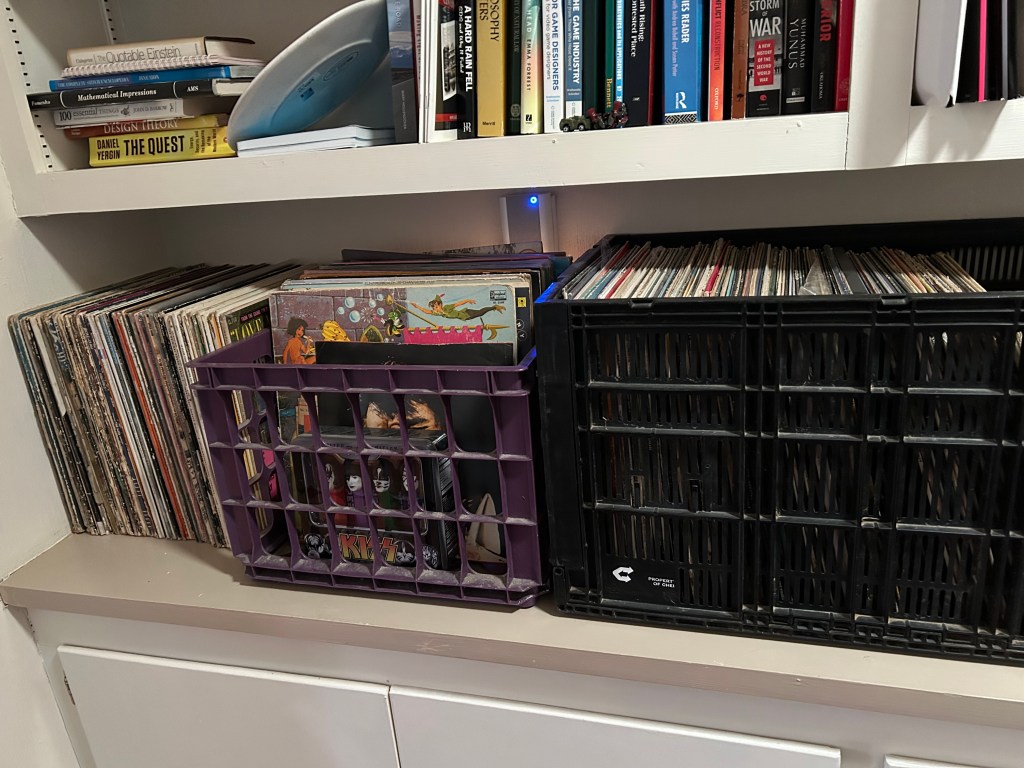
Image of record albums in crates. Disney's Merriest Melodies album.
My record album collection

By 2012, I had curated over 3,000 songs. I refused to sync my iPod with updated iTunes software because it wouldn’t preserve my playlists exactly as I had arranged them. They were perfect, and I wasn’t about to mess with perfection.

But as MP3s, smartphones, and streaming services like Spotify and SiriusXM gained popularity, iPods started to feel outdated. I used mine occasionally for chores around the house, but even that became less frequent. By 2022, Apple officially discontinued the iPod, and mine had long since stopped holding a charge. Eventually, it wouldn’t turn on at all. But I couldn’t bring myself to discard it permanently—it still held my songs.

Rediscovering My iPod

Last week, while searching for batteries in a drawer, I came across my old iPod again. Out of habit, I plugged it in, hoping for the best. The Apple logo flickered to life for a moment, and then… nothing. “Ugena,” Sarah said, “we live two minutes from a computer repair shop. Take it over there and see if they can fix it.”

The tech guy at the shop popped the back plate off, took one look, and said, “It’s your battery. See how it’s puffed up like a pillow? It should be flat. That’s an easy fix.” I was overjoyed.

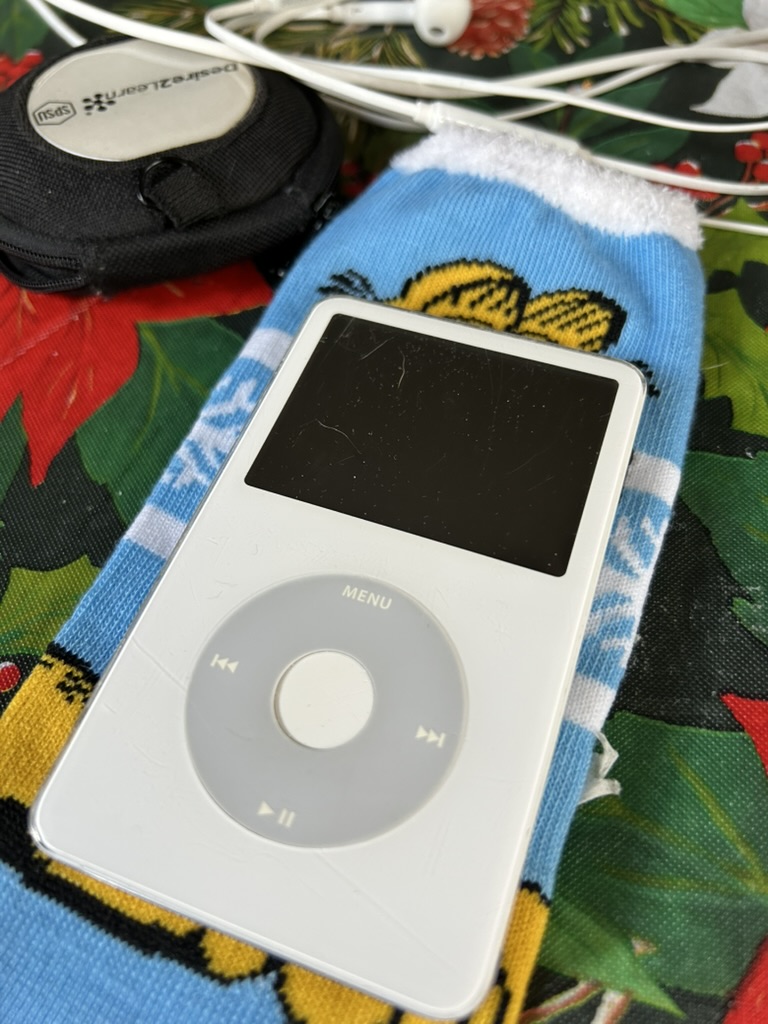
Image of iPod Classic 5.5 gen laying on a Garfield cartoon sock.
My iPod

When I picked it up a week later, I could hardly contain my excitement. After nearly a decade, I saw my playlists on the screen again. I navigated the wheel (nothing like the sound of those clicks as it turns!) to find the perfect song for the moment, and when “Love Grows (Where My Rosemary Goes)” by Edison Lighthouse began to play, I felt an overwhelming sense of contentment. I was home.

More Than Memories

For me, music isn’t just about nostalgia. While certain songs remind me of people or moments—like Elvis always bringing my mom to mind—it’s the music itself that moves me. The key changes, the minor chords, the walls of sound (a la Phil Spector) all stir something in me that feels bigger than words.

And yet, sometimes it is the words. A perfectly turned phrase can be so compelling, so beautifully crafted, that it draws me in completely. It stirs a visceral reaction, and I can’t help but sing along. And yes I do grab a hairbrush for a makeshift microphone. At that moment, the three of us–mind, body, and spirit–are in sync with the melody and words. During my free concerts, whether in the shower, the car, or empty house, my old romantic self rises to the surface, caught up in the sheer power of the lyrics.

This emotional connection reminds me of Howard Gardner’s theory of Multiple Intelligences from his 1983 book Frames of Mind. One of these intelligences, musical intelligence, refers to the ability to recognize, create, and emotionally connect with music. Though the theory is considered pseudoscience by some, it resonates with me. It helps me explain feelings that go far beyond simply liking music. What I feel is deeper, more profound—something that connects to the core of who I am.

Rediscovering my iPod wasn’t just about finding old favorites. It was about reconnecting with a part of myself—a good and strong piece of myself that, during my distractions with job advancement and the trappings of success, had been suppressed. During those times, I was lost, adrift, unaware of how much I had let go of what truly anchored me. But when the music is back in my life, it’s as if I’ve found my way home—a reminder of who I am and what brings me joy. In the words of the old song, “Was blind, but now I see.”

The last 5 random songs played on my iPod while I’m writing this:

  1. Bad Romance, Lady Gaga
  2. My Heart Skips a Beat, Buck Owens
  3. Silver Wings, Merle Haggard
  4. On the Street Where You Live, Bill Shirley dubbed for My Fair Lady
  5. Livin’ in the Sunlight, Lovin’ in the Moonlight, Tiny Tim (from Spongebob Movie)https://youtu.be/hERIZmJpwTI?si=JSKnB7XR5_rwbiHq
A warm, nostalgic scene featuring a vintage iPod with earbuds resting on a wooden table. Surrounding the iPod are a stack of old CDs and vinyl records, symbolizing a love for music across different eras. Soft, ambient lighting creates a cozy and reflective atmosphere, with a hint of a worn journal and handwritten notes in the background, evoking a sense of personal rediscovery and connection through music.

Finding Free: The Atlanta Freedom Bands and Coming Full Circle

When I was in fifth grade at Littleville Elementary School, something magical happened. One day, our teacher announced that the band teacher from the nearby high school would be coming to Littleville to talk to kids and their parents about joining the band. It was 1973, and resources for extra-curricular activities–heck, resources for curricular activities–were limited. I remember in previous years, our musical exposure at school had been the on the rare occasions when our teachers had brought out a box with mostly percussion instruments and let us play with them, mostly trying to keep time while a record was playing. This was different. This was band. I could hardly wait for the meeting. When the evening came, the band director, Mr. Wright, brought a variety of instruments so that we could try them out and, with his advise make our selection. I realize looking back that, of course, he wanted a well rounded group of instruments, which is probably why I became a flute player. From that point on, I was in love.

I went to high school in a football town, and a football town doesn’t scrimp on its band. When two new, shiny mellophones arrived at the bandroom, I volunteered to learn to play, and I loved the big, smooth sound of a horn–I was a woodwind no more! We were the Marching 100. I remember the day I was issued my uniform. I remember band camp and big, chartered band buses, chocolate sales and Homecoming parades. I can still remember how to play The Horse–if you have ever marched, you know The Horse. I remember our signature parade song–a marching mix of China Grove and Smoke on the Water. I still remember–and feel–lining up on the sideline for the halftime show, and I can feel again what it felt like then standing on the field, horn up, knees slightly bent, leaning back to hold the last note until the crowd stood and cheered. And they did. Every time.

I quit the band just before my senior year for a very, very bad reason. It’s a story for another time, because this one is about joy. But I must say–for the rest of it to make sense–that over the next thirty years I had recurring dreams about being back. Sometimes, they would let me join them again for just one performance. Sometimes, in my dream, it was entirely acceptable for an alum to join up years later. Whatever the scenario, I slept happy. Then woke. It was not unlike dreaming of someone who has passed then waking to sadness when you realize it was only a dream.

So  when I say how happy I am to find the Atlanta Freedom Bands and to sign up to march with them, you get some idea of how much it means to me. I’ll write more about it later no doubt, but this post was prompted by a conversation I had with my new band friend Mitchell. He  mentioned that during the recruitment drive at Pride this year, one new member was telling him that finding the AFB was like coming home again–a feeling not unlike ones I have been having. I bet I’m not the only one, either, or that new fellow. I bet a lot of band members feel like this is both a musical and community home. I bet a lot of us thought we might not ever have that kind of home again. Of course it’s also a helluva fun group that throws a mean party. Robert Frost wrote, “Home is the place that when you have to go there, they have to take you in.” I know the “Freedom” in Atlanta Freedom Bands has rich, multiple meanings, but certainly for me–and I bet for others–it is a home place that sets me free. I am awfully glad they have taken me in.

Music and Me, Part 1

The blessing and curse of being an academic is that whenever I come across any really interesting “thing”–whether it is an experience, a news story, situation, work of art, or take on the human condition–my first thought is, “Wow, that would make a great paper!” I wonder if my other egghead friends do that. It isn’t all bad; the blessing is that clearly there will never be a shortage of topics to write about. The curse is that everything around me becomes a potential scholarly topic. And I start planning out where to begin the search of existing literature before I finish feeling and experiencing whatever it is. A case in point is divinity school. For the first two weeks of being at Candler (School of Theology at Emory University), I felt like a researcher doing an ethnography of seminary. I still think that’s a pretty doggone good idea! It took almost a month before I began to feel the experience as something other than a research project. What’s so bad about that? Well, this world is best experienced by feeling our feelings every single minute we are going through it. I’m sure there is research to support that claim. 

It happened to me again yesterday, but luckily I caught myself. I was at the kitchen counter finishing up my annual review and listening to Elvis on the Sirius radio I had managed to hook up to my home stereo speakers, the coolest thing ever invented. Back in the fall, it had taken me a whole day to figure out how to make my old dvd player into a tuner through which to conduct music into the speakers (Is my technical language impressing you?). Because I had a home kit, the Sirius radio was easy. But figuring out how to hook up the Apple devices was less intuitive. Yesterday, though, as I looked from the kitchen to the system in the living room, the obvious solution just came to me, kind of like how I can think of things the minute or two as I am waking up in the morning that I cannot think of during the day (That happened this morning; I was able to think of the song title, Shine On Us, that the choir had sung Wednesday night. Yes, I did forget the title of a song between Wednesday night and Friday morning. That’s not the point….). So, I disconnected a wire from the radio, plugged it into my iPod, and viola: my music! 

I’m going to try here to explain what I feel when I listen to music. It’s harder than it may sound. I am inspired to do this after having countless conversations with one of my friends who loves music so much she moved across the country to be able to hear live music every night of the week–something, interestingly, one can’t necessarily do in Atlanta. I was also inspired to try to express what music feels like to me after reading my friend Alan’s book, Symphony #1 in a Minor Key: A Meditation on Time and Place. I don’t have it in front of me to quote (I’m at Starbucks) or I would share some of the beautiful imagery and language he uses to portray the importance of music to him as an embodied and emotional experience. That’s what it is like for folks like us, it picks us up and does something to us and puts us back down while something electric courses through us. Yeah, we like music. 

I confess I am not current on music. Whenever I meet someone who is, they have to catch me up some if they want me to be able to talk about it with them. I like it, but there is something about the old songs, the old groups. New music that sounds like it was old. I do like that, but it’s kind of cheating. As I scrolled down through the almost 3,000 songs on my iPod to test out the speakers, that is the kind I chose. A new (well, fairly) new song with a 60s Phil Specter beat: Doin That Thing You Do. And I was not playing around. I turned the volume up on 35 to see what those speakers would do. Drums. I am a sucker for music that features drums. Sixties rock beat. Refrain that shifts to a slightly minor key. The Wall of Sound. Here is where I wish I had the language to describe musically what was happening. I can’t, so you should play the song to hear what I’m talking about. 

You should know I cannot dance, but I don’t think about that when I hear music that moves me. Elvis felt it; he said so when asked about his “gyrations.” He said he didn’t know anything about gyrations–he just felt the music and couldn’t help but move. That’s how it is. I was standing in the middle of my lovely little bungalow yesterday with music blaring, me singing at the top of my lungs and, yes, dancing. I played that song five times. Then I scrolled to the Stars and Stripes Forever and played that five times while I directed it. Listen to it sometime: wait till the very last stanza of it, when Souza puts all the parts together–piccolo, percussion, AND those wonderful loud, blasting TROMBONES. You know how your heart can swell till you cry like mine does when I hear the national anthem at the olympics, or Just As I Am during the altar call? The last thirty seconds of Stars and Stripes Forever goes to my core and comes out something spectacular. Then I scrolled to Martina McBride singing Hank Williams and played You Win Again three times. I don’t have to tell you what Hank’s words sung by a woman in my vocal range can do to me. 

I will confess something: I am fifty years old, and I have one of my brother’s old microphones in my closet. I cut off the cord, and on days like yesterday I take it out and have a concert. So, to recap. I felt a surge of sun-shiny happiness that made me want to move like Elvis–which I did (sort of). I danced, sang, waved my arms in the air (in my mind I looked like one of the Chiffons), conducted a concert band, and sang torch songs deep and loud. Think about anything that can make you move, any physical sensation. Heat or cold, a shock, rain, fear, joy. When we feel these things, our bodies move because we can’t help it. That is how I am when I hear music that moves me–it literally does. I feel happy and strong. Sometimes my eyes tear up, and sometimes my stomach lurches like it does when I see someone beloved to me. 

Why was it important to write this down? For one thing, it means so much to have music–loud magical music–in my life again after I had lost it for so long. More on this later. I’ll tell you one thing. I won’t lose it again because now I let myself feel it. And, it would make a great topic for a paper.