Remembering the Teachers Who Inspired Me, Part 2

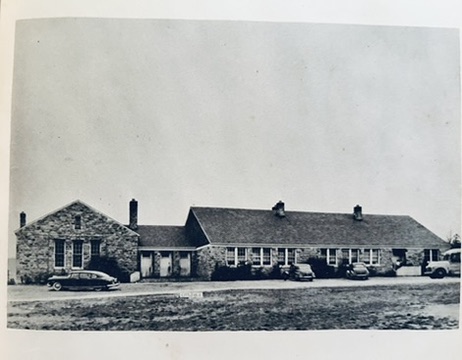
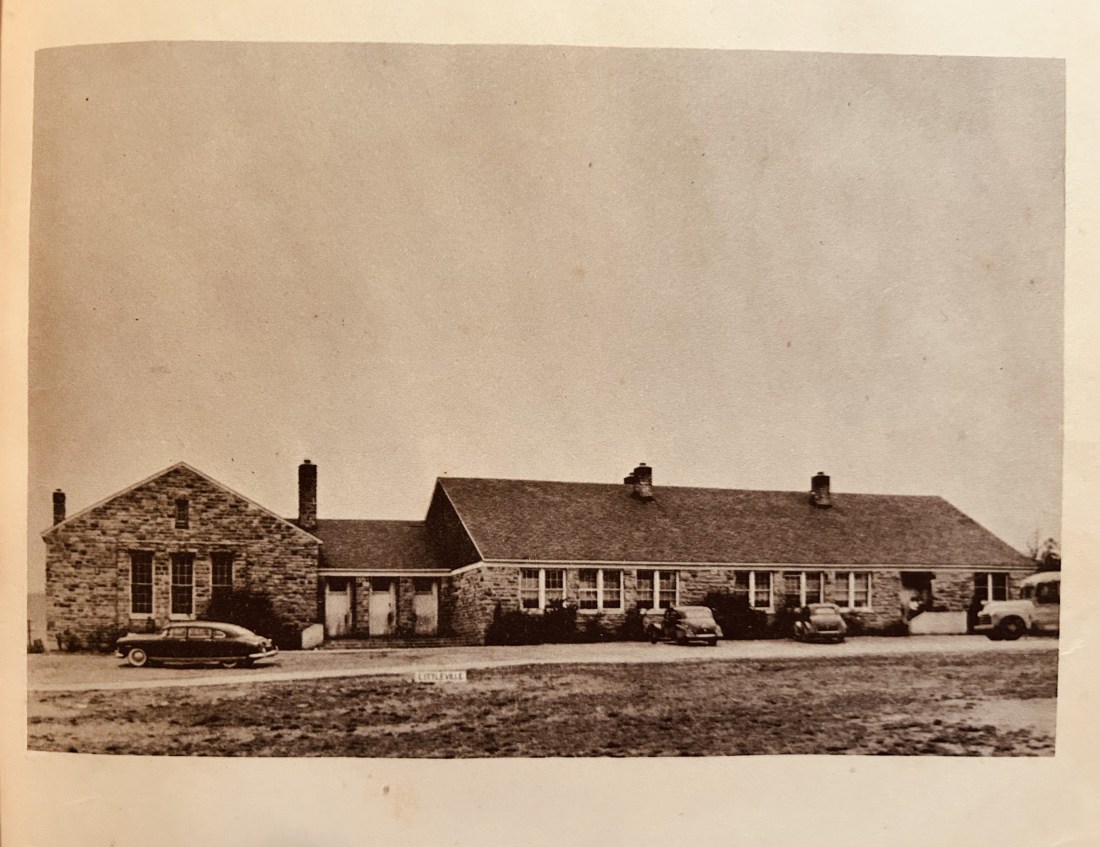
Littleville School, 1949

What I Learned From My Teachers

From Part 1: There’s a lot we carry from our school days—the lessons that stick, the ones that shape us in ways we only realize years later. I’ve been thinking about the teachers who left a deep impression on me, and how those early experiences continue to resonate as a quiet, steady presence in my life and work today. This piece (Parts 1 & 2) is dedicated to the teachers who shaped me, and I want to honor them by name.

Classrooms in Littleville Elementary & Junior High School
Classrooms in front of Littleville School shortly after its closure

Part 2: Miss Thorne, 7th Grade Math: A Lesson in Apology
Miss Janice Thorne, who became Mrs. Berry during our 7th-grade year, is the only teacher I ever apologized to as an adult. My behavior in her class was atrocious. I vividly remember entertaining my classmates by hiding in the classroom while she searched the campus for me—the day the principal, Mr. Morgan, called my dad. Not my mom. Dad. I don’t remember acting out much after that. Like Mrs. Wells, Miss Thorne had the unfortunate task of competing with Miss Renwick for my attention, but unlike Mrs. Wells, she wasn’t a natural commander. I’m really sorry, Miss Thorne.

Miss Thorne also had the misfortune of being assigned to teach us P.E., which required her to wear gym shorts, crew socks, and SeaVees gym shoes. For some reason, this embarrassed me, though I couldn’t have explained why. She was also a member of a neighboring congregation, so I saw her off and on through the years. That made my apology all the more meaningful when I finally had the courage to offer it.

Probably unsurprisingly, Janice left teaching the year after I had her as a teacher. I have reflected on whether my behavior might have contributed to her decision, and my small consolation is that she likely made a good deal of money by going to work for TVA. Miss Thorne—Mrs. Berry—died in 2023, and I am so glad I had the chance to show her respect as an adult.

Mr. Morgan, Principal and 7th Grade Social Studies: The Importance of Being Remembered
Mr. Morgan was the principal of Littleville School and also taught us 7th grade social studies. He was tall, having played basketball in his younger years, and he coached our teams with the same towering presence. His other claim to fame was that he had fought in the Korean War alongside Dan Blocker, who played Hoss in the very popular Bonanza TV show. I was glad to learn that Mr. Blocker was a nice person. Mr. Morgan regaled us with stories like these during social studies—and come to think of it, the Korean War was part of the curriculum. Mr. Morgan had the longest face I’d ever seen–one can’t help but recall Lurch from The Addams Family–and he spoke with a distinct impediment. We students discussed it and surmised that his tongue was attached to the bottom of his mouth—at least, that’s what it sounded like when he talked. But we quickly learned to understand him, and his speech became just another part of who he was.

Littleville School Gymnasium
Run-down gym of Littleville School, a shell of its former self.

Every year I attended Littleville, I earned a paddling from Mr. Morgan. Unlike Mrs. Fowler’s little red-painted ping pong paddle that intimidated second graders, Mr. Morgan’s paddle was a serious piece of wood—it must have been two feet long and was covered in signatures from its many recipients over the years.

In the early 1990s, Littleville School was closed due to low enrollment. The town had suffered during the recessions of the 1970s, and eventually, the numbers just weren’t there to keep the school open. Before the doors closed for the last time, a “homecoming” was held for everyone who had ever attended. That included my parents, my brother, neighbors—even my grandparents. I was a grown young woman by then. My parents were reminiscing with Mr. Morgan, who chose to retire rather than move to another school. He looked at me and said, “I remember when I gave you a paddling one time, Ugena. I had to hold back a laugh when you looked up at me and said, ‘Mr. Morgan, this is going to hurt me more than it hurts you.'”
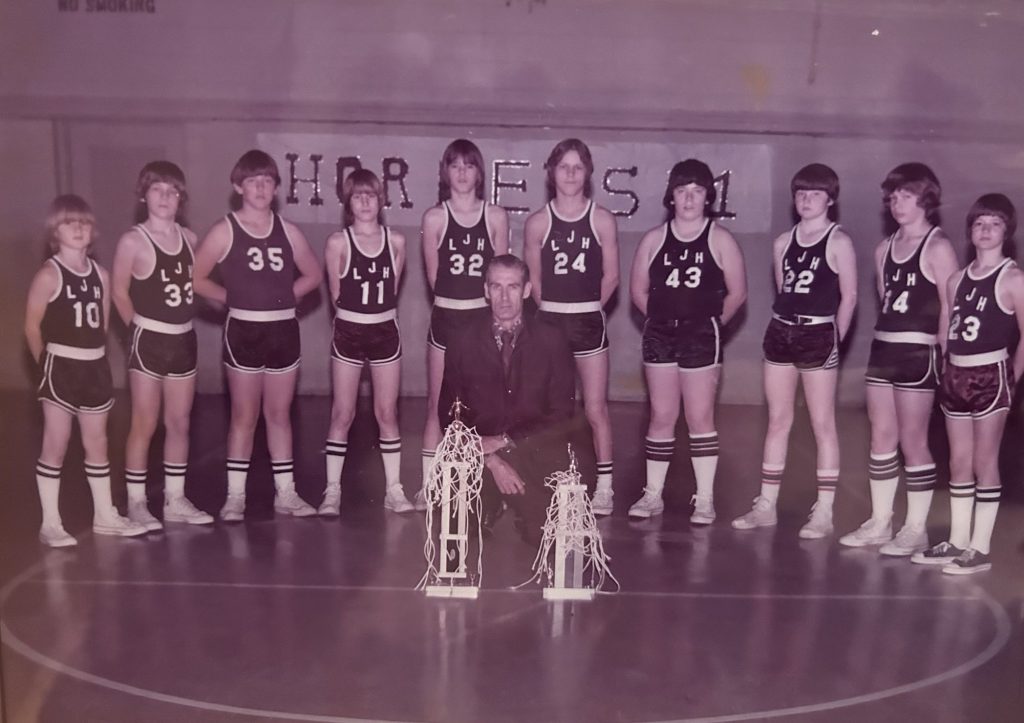
Littleville School "Hornets" Basketball Team, 1974. Center: Mr. Theron Morgan.
Littleville School “Hornets” Basketball Team, 1974. Center: Mr. Theron Morgan.

A 20-year career, and he remembered a joke from a 10-year-old girl. Because I was funny and smart. I had been memorable. That, I think, is my main lesson—that these people thought enough of me to remember me.

Mrs. Mansell, 9th Grade Algebra: Making Math Make Sense
In 8th grade, I transferred from Littleville to Russellville to join the RHS Marching 100 Band. My parents really sacrificed to make this happen, commuting me to school a half-hour away instead of the five-minute trip to Littleville. Almost every teacher I’ve mentioned so far had told my parents that I needed enrichment to keep me busy—that my acting out was because I was smart. That made an impact, so I went to Russellville instead of following my Littleville classmates to the county school. I have often wondered how different my life would have been if I had taken the natural path instead of forging the one I did. Two roads diverged…
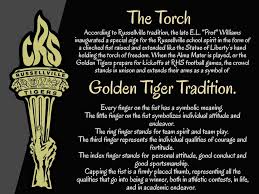
The RHS Torch and Tradition, a legacy of E.L. "Prof" Williams
The RHS Torch and Tradition, a legacy of E.L. “Prof” Williams

At Russellville, Mrs. Mansell stood out. She had real presence. She taught 9th grade Algebra and made math understandable in a way it hadn’t been since Mrs. Wells. Her father, E.L. “Prof” Williams, had been principal at Russellville High from 1937 to 1957, and my dad even remembered “Mickey” Mansell helping him register as a new student his ninth grade year. She connected with us, made herself available, and showed patience beyond measure. I remember being at a slumber party before exams, and a group of us girls called her for help. She patiently tutored us over the phone, and we all did well on exam day.
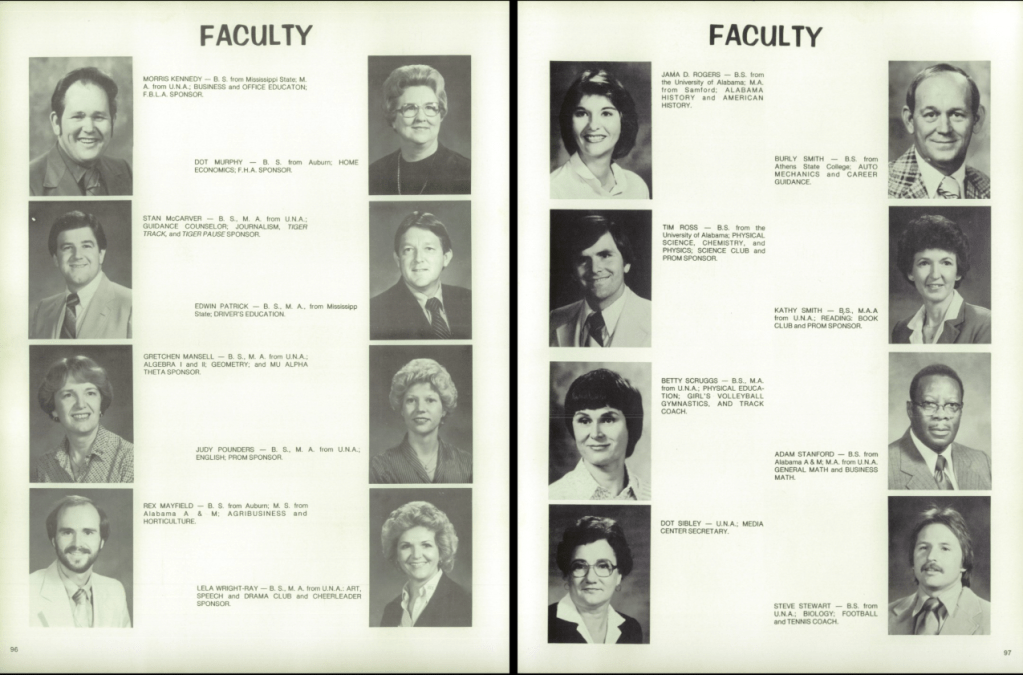
Faculty from 1982 Russellville High School Tiger Tracks Yearbook
Faculty from the RHS Tiger Tracks Yearbook; Mrs. Gretchen “Mickey” Mansell is in far right column, third from top

Despite her dedication and deep roots in the school’s history, Mrs. Mansell wasn’t allowed to teach upper-level math in the late 1970s. Those classes were reserved for a male teacher who prided himself on making his classes competitive. He openly stated that he taught to the valedictorian and salutatorian—to weed the rest of us out. I was weeded out of trigonometry in the first week. Discouraged and disheartened, I switched to Home Ec. I decided I’d rather study European and American furniture styles than endure that feeling on a regular basis.

I suppose I learned a lesson from him too—but of all my teachers, his was the biggest lesson on what not to do.

This piece is dedicated to the teachers who shaped me, and I want to honor them by name. They were the steady presence that guided a little girl from the country, who against all odds, would leave Littleville and go on to earn a doctorate and become a professor. I grew up knowing I was the “smart girl,” in part because they told me so—through their expectations, patience, and nurturing. They taught me lessons about kindness, resilience, community, and the quiet power of believing in someone. And as I reflect on my own teaching, I realize I’m still learning from them, still carrying their influence with me in every classroom I enter. I thank them so much.
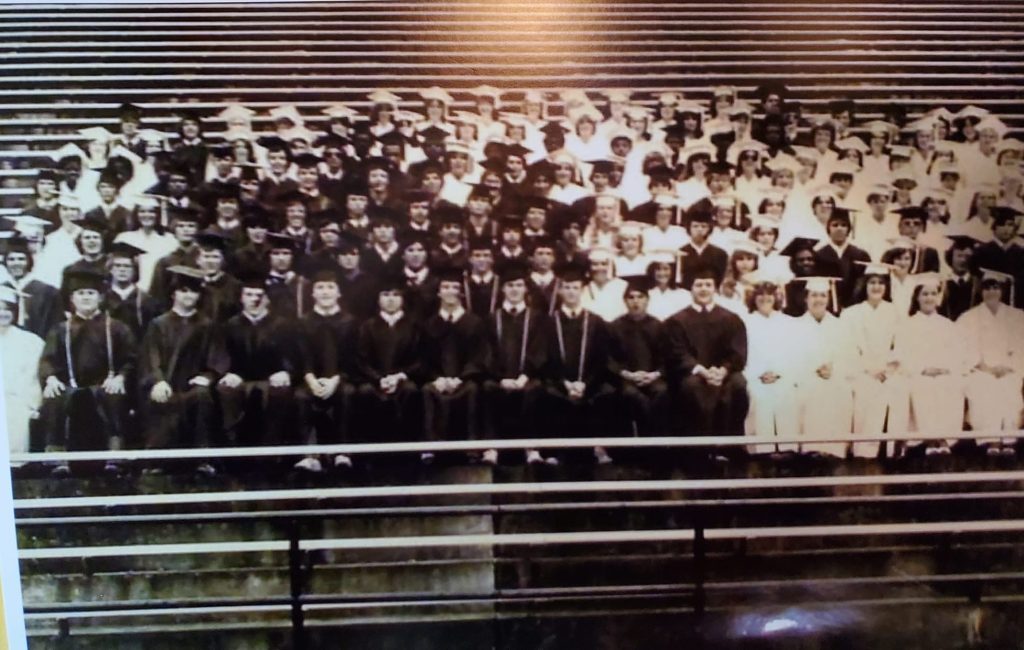
Russellville High School Senior Class Picture, 1981

Remembering the Teachers Who Inspired Me, Part 1

Littleville School, 1949

What I Learned From My Teachers

There’s a lot we carry from our school days—the lessons that stick, the ones that shape us in ways we only realize years later. I’ve been thinking about the teachers who left a deep impression on me, and how those early experiences continue to resonate as a quiet, steady presence in my life and work today. This piece (Parts 1 & 2) is dedicated to the teachers who shaped me, and I want to honor them by name.

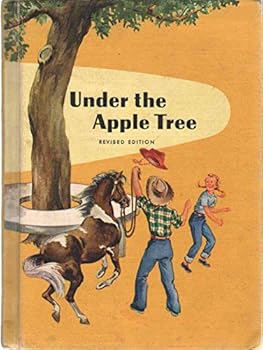
Image of book Under the Apple Tree.
I loved this book.

Mrs. Hood, 1st Grade: Recognizing Potential
Mrs. Hood saw something in me from the very start. I still have the report card she wrote on: “Ugena is a good student, but she talks too much.” That one line captured a lot. It was the first sign that someone recognized my potential—and my tendency to let my mouth run ahead of me. I’ve held onto that report card all these years, a reminder of what it means to be recognized for one’s potential and ability. In first grade, we received our first “real” readers, Under the Apple Tree. I remember sleeping with mine under my pillow. Years later, I found a copy and treasure it as a symbol of my lifelong love of learning.

Top: Mrs. Mavis Fowler and Jeannie Clement; Bottom left: Mrs. Fowler; Bottom right: a cute picture of my brother Tracy Whitlock

Mrs. Fowler, 2nd Grade: Be Kind and Carry a Red Paddle
Mrs. Fowler wasn’t just the first teacher to believe in me—she made me believe I was special. She had a way of balancing kindness with authority, and yes, she carried a red paddle as a reminder that rules mattered. But it wasn’t fear that motivated us in her classroom—it was the feeling that she cared. That balance of kindness and discipline taught me more than any lesson from a textbook. I also remember me, Jeannie Clement, and Susan Pace singing church hymns at the front of the class during school hours—something that feels almost unimaginable today, but back then, it was just part of the rhythm of life and learning in Mrs. Fowler’s class.

Mrs. Haley, 3rd Grade: You Can Do Hard Things in Challenging Places
Mrs. Haley was an African American teacher in an all-white school in Littleville, Alabama, in 1971. That alone was remarkable. But what sticks with me is how she tried to teach us about Dr. Martin Luther King—in a place and time where that wasn’t easy. She showed me that you can do hard things, even when the environment isn’t welcoming, and that courage can look like simply sharing the truth. I don’t know what happened to Mrs. Haley–what turns her life took. I hope she knows that in that little school room with green walls, she made a different.

Mrs. Elsie Haley
Mrs. Haley and members of our 3rd Grade Play.
I was the narrator, second from left on right.

Mrs. Wimberly, 4th Grade: Finding Joy in Learning (and Neck Massages)
I absolutely adored Mrs. Wimberly. She had a way of making the classroom feel fun and alive. This was the year I first heard about the Osmond Brothers from Jeannie Clement, and while that might seem trivial, it’s part of what made school feel like a place where life happened. Mrs. Wimberly wasn’t naive either—she let us give her neck massages during PE, while having deep discussions about who was better, the Osmonds or Elvis. Looking back, I see that she knew how to keep us engaged, even if it meant a little creative classroom management.

Mrs. Wimberly was also the first person I had met who had seen Elvis live in concert. She gave me a photo book from the concert, and for Christmas, my mom got her the most wonderful present, which I had selected: a black plastic cat with diamond eyes and a fuzzy boa—filled with bubble bath. If nothing else, I have always been classy!

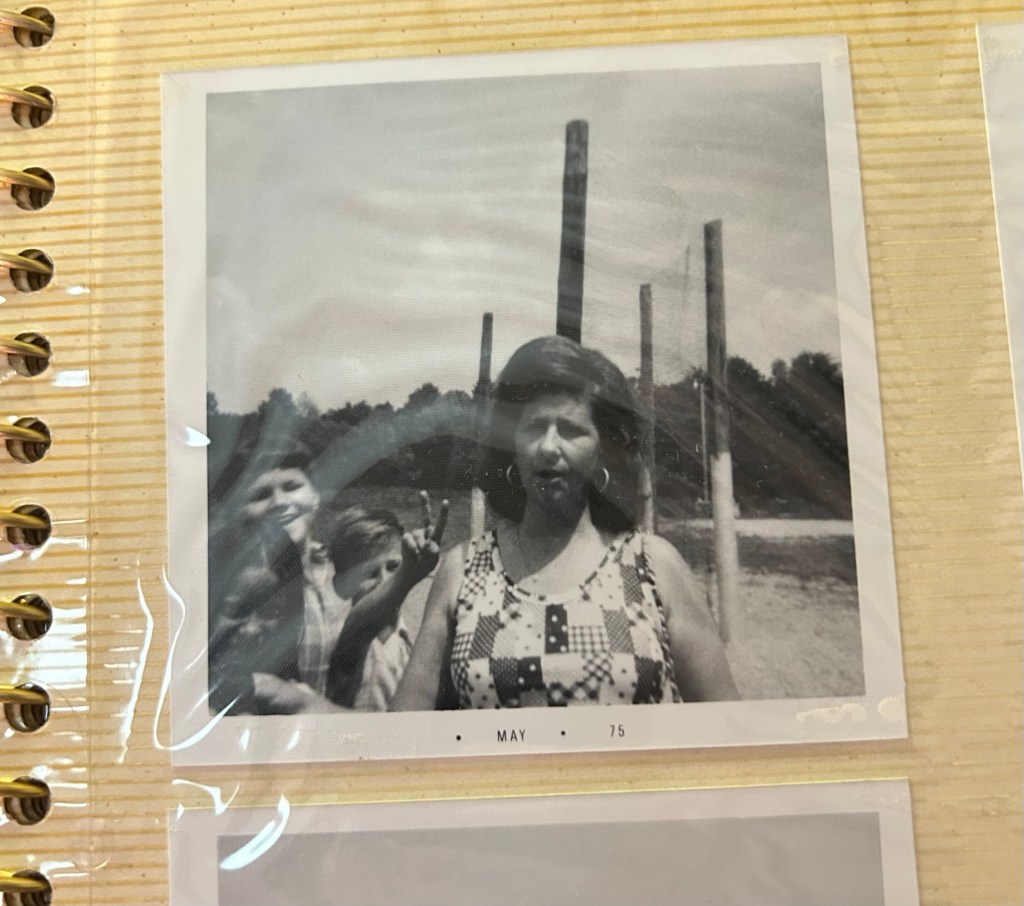
Mrs. Wimberly, probably on the last day of school.
Mrs. Marie Wimberly, behind the school at the baseball field. Notice the kid trying to give her rabbit ears.

Mrs. Wells, 5th Grade: The Best Education, No Matter Where You Are
Following Mrs. Wimberly was no small task, but Mrs. Wells handled it with grace and grit. She was the only teacher I had at Littleville who actually lived in our community, and she took that responsibility seriously. When I complained that math was hard and had a fifth grade hissy fit, she didn’t let me off the hook—she made sure I learned fractions. Mrs. Wells held an Education Specialist degree, and my mother once asked her why she stayed at Littleville School when she could’ve worked anywhere. Her answer: “Our kids deserve a good education, just like anybody else.” That belief has stayed with me, a quiet reminder that showing up fully isn’t just about personal pride—it’s because others deserve the best we have to offer, no matter where we are. Mrs. Wells eventually became the principal of Littleville School and remained in that position until it was closed in 1994. (I have written about Littleville School in “A Memoir of Littleville School: Identity, Community, and Rural Education in a Curriculum Study of Rural Place” in William Reynolds’s collection, Vol. 494, Forgotten Places: Critical Studies in Rural Education (2017), pp. 169-188.). Mrs. Ann Wells lived to be 88 years old, and till the end of her life, when she saw my parents, she asked about me.

Miss Renwick, 6th & 7th Grade English: The First Crush
Of all my teachers, Miss Renwick is the one I’ve wondered about the most over all these years. I wish I knew what happened to her. Looking back, I know now that she was my first crush, as young girls often have. I adored her, admired her, and hung on every word she said. My poor mother spent countless hours waiting for me in the parking lot of Littleville School while I lingered in Miss Renwick’s classroom after school. I really appreciate that—both my mother’s patience and Miss Renwick’s willingness to let a student hang around after a long day. She introduced us to literature–not just stories found in “readers,” but the classics. She described the faraway places where they took place. “You can go to these places, see these things,” she told me. I’d like for her, wherever she is, to know that although I took a circuitous route, I did.

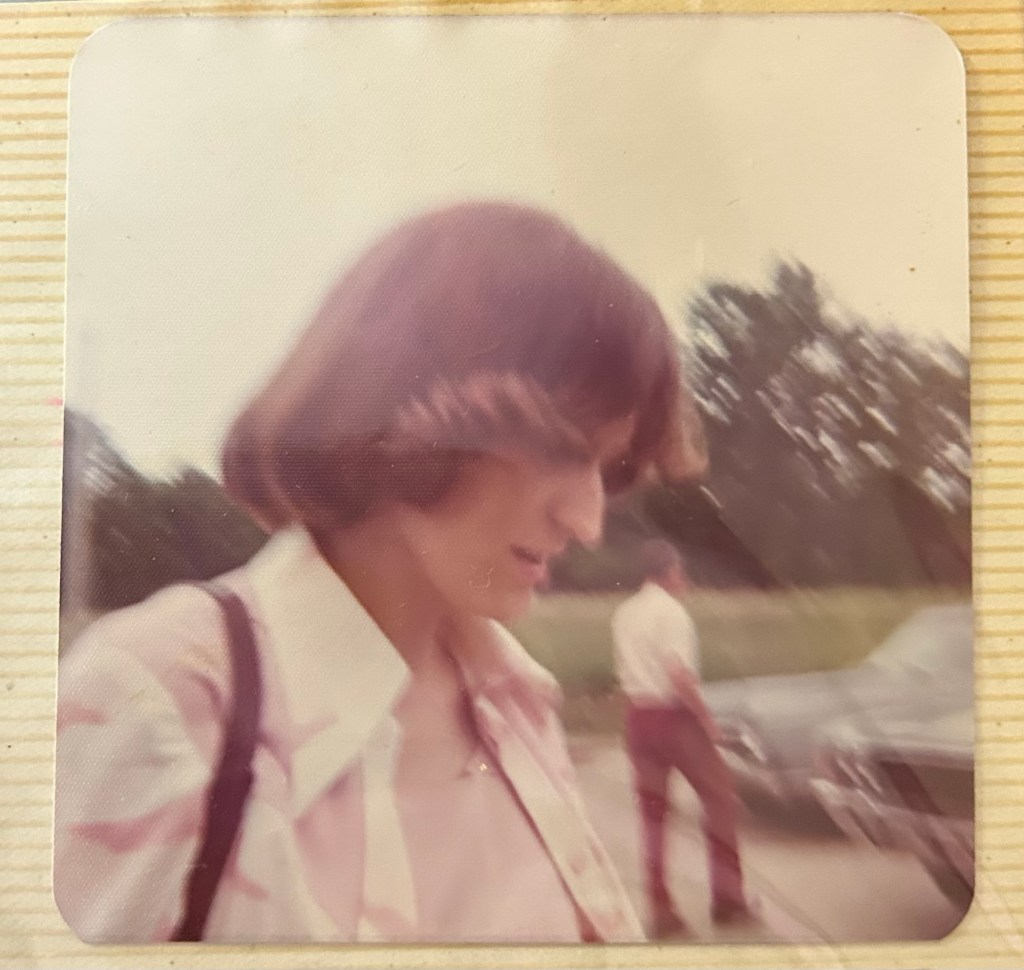
Miss Renwick. Note her look at me coming into her classroom after school to take yet another picture.
Miss Renwick, last day of school, 6th grade
And yes, I did take a picture of her car. For years, I wanted a Toyota Tercel Wagon

Mr. Sizemore, 7th Grade Science: The Surprise of Humanity
Mr. Sizemore was a science teacher with a presence that made us all a little nervous. He was the only teacher I ever had who effectively taught while sitting behind his chair, which he did almost every day unless he got up for the occasional lab activity. He wore the same clothes every day: a blue shirt, blue jacket, dark pants, and shined brogans. His black hair was neatly combed with Brylcreem—long after Brylcreem had gone out of style. He wore black horned-rimmed glasses like Clark Kent. He drove an old blue Ford truck, and his stern demeanor was enough to keep us on edge. We were especially scared when he’d slam his book on the desk if we weren’t paying attention. But I remember my daddy talking about running into him out in public, chatting about chickens like old friends. It surprised me to realize Mr. Sizemore had a first name—David—and a life beyond the classroom. Thinking about him today, I realize just how young he must have been in 1976. That small realization stuck with me: teachers are people, too.

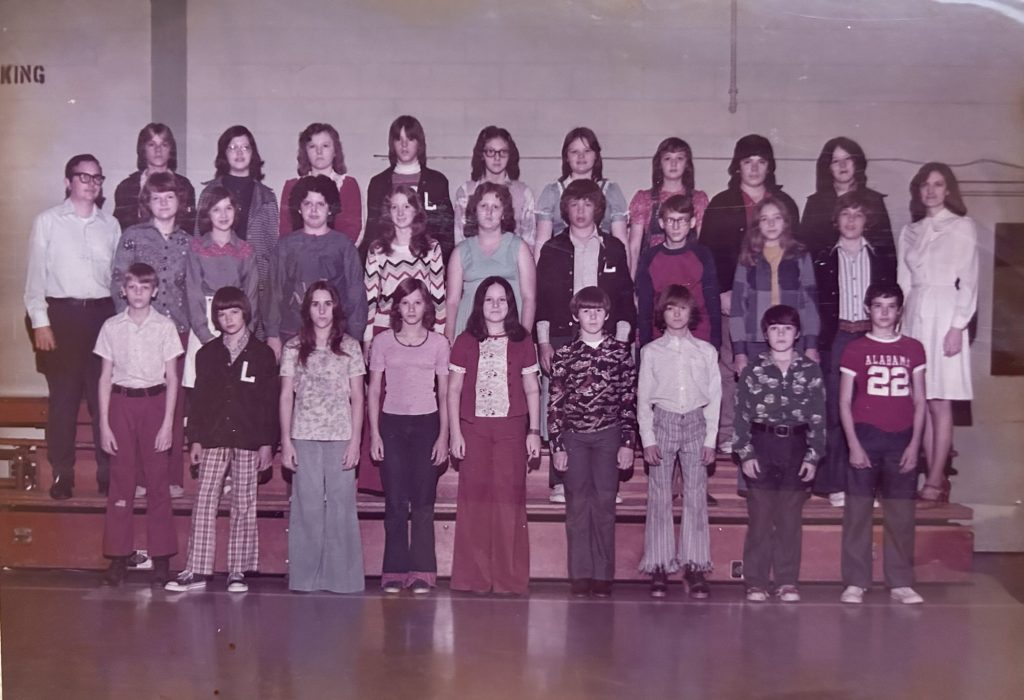
Littleville School 6th Grade Class Picture, 1974. Second Row: Far left, Mr. David Sizemore; far right, Miss Joyce Renwick; second from right, Ugena Whitlock

To be continued in Part 2…

My Treasured School Photo Album
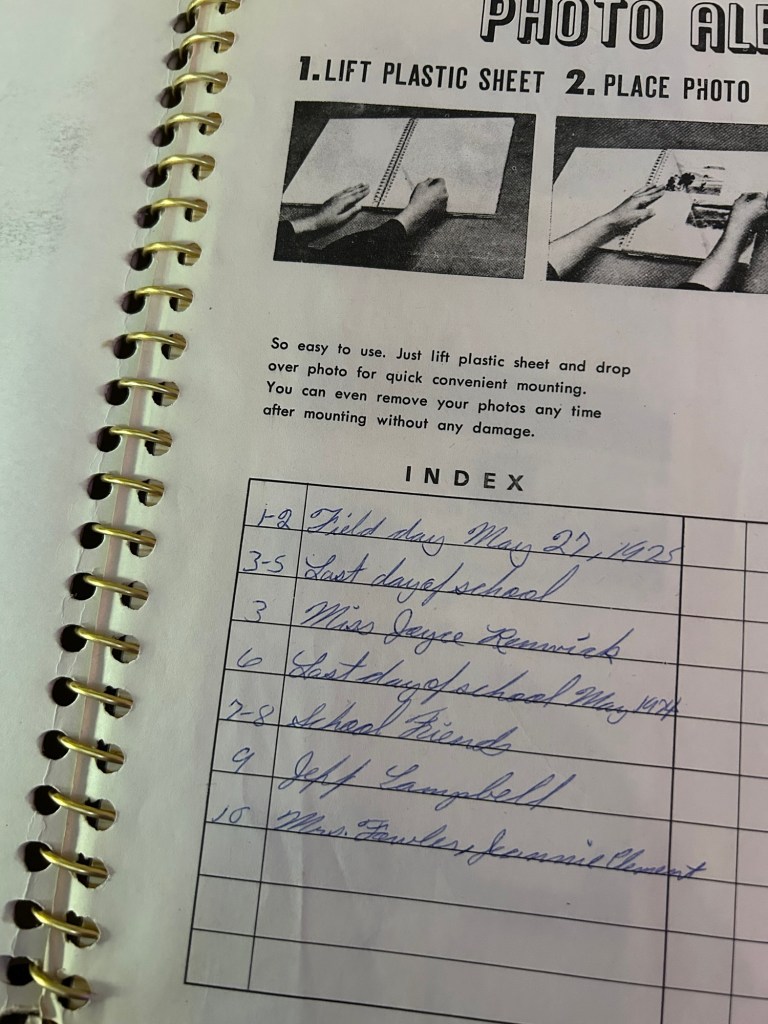
Handwritten Table of Contents from my Littleville photo album in my best cursive.

Exploring Nostalgia, Place and Southern Identity in Writing

Nostalgia, Place, and Feeling Southern

In a recent essay, Evolving From Just Keep Swimming to The Front Porch Professor, I explored the journey of reimagining this blog to reflect my evolving focus on narrative storytelling. At its heart lies the front porch, a symbol that anchors my Southern identity and shapes the lens through which I write. This post builds on that foundation, unpacking the concepts of nostalgia, place, and Southern identity—terms that are complex and intertwined. Sitting on the front porch is an appropriate place from which to give them the careful exploration they deserve.

You may be asking, “Well, when are you going to start writing instead of just writing about your writing?” Good question. The process is a throwback to academic writing, where you have to describe your framework and method for presenting your ideas. In other words, I need to tell you how and why I’m going to tell you what I tell you. Then I can tell you. But you’ll be glad to know I’m about ready to start front porching.

Why The Front Porch Professor?

Claiming the title of professor in my blog name is about more than qualifications; it reflects a blend of storytelling, introspection, and intellectual curiosity. It signals that the reflections here are informed by years of observing and searching for meaning. The image of a professor on a front porch bridges the formality of academia and the warmth of casual conversation. I invite you into a space where lived experience meets thoughtful analysis, encouraging connections and deeper understanding.

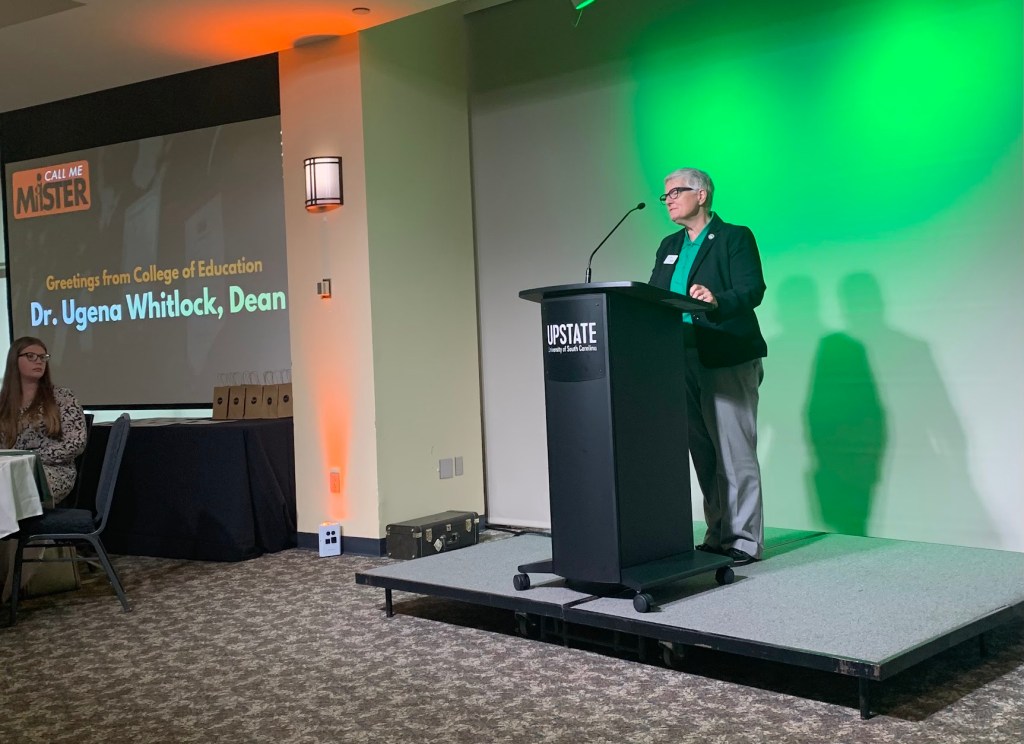
Image of Dr. Ugena Whitlock at USC Upstate
Professor Whitlock

For me, the title is also a tribute. As a small-town girl from rural Alabama, raised by working-class parents, becoming a professor is a point of pride. It’s a testament to their sacrifices and the support of friends and loved ones. They are ever present in my writing, shaping the stories I tell and the perspectives I share. I am both proud of the accomplishment and humbled by the debt and responsibility I owe them.

Place and the Southern Perspective

When I write about place, I’m speaking to more than just geography. Place encompasses the physical environments where life unfolds. Place is the landscape on which contexts of culture, history, and society are painted. It’s where relationships, joys, disappointments, and lessons unfold. All this happens individually and collectively. Place is both a backdrop and a character in our stories, influencing who we are and how we navigate the world.

Image of small downtown Russellville, Alabama, with snow, church, and Roxy theater
Downtown Russellville, Alabama

Being Southern, then, adds layers to this concept. The South is more than a region; it’s a complex web of traditions, histories, and cultural markers. To call oneself Southern is to grapple with the beauty and contradictions of the place. With the South’s ugliness. Can one be proud to be a Southerner, as I am? What does this mean? What am I proud of? And what about the parts of Southern “heritage” that I am not proud of? What is my relationship to those people who claim and celebrate the ignoble parts?

Writing From a Southern Perspective

“Being Southern” is as much a state of mind as it is a physical state. My Southern identity isn’t about celebrating a romanticized version of the South–you know, moonlight and magnolias. Instead, it’s a lens through which I explore themes of home, culture, and identity. The South, for me, is a place of deep connections, shaped by family, history, and the rhythms of everyday life. Southern identity is not monolithic—I don’t assume my identity is exactly like yours, just as your experiences may differ from mine. While we may share certain aspects, identity is deeply individual and uniquely shaped by personal experiences.

Image of dinner with deviled eggs and mashed potatoes
Southern food–note the Thanksgiving Chicken and Dressing

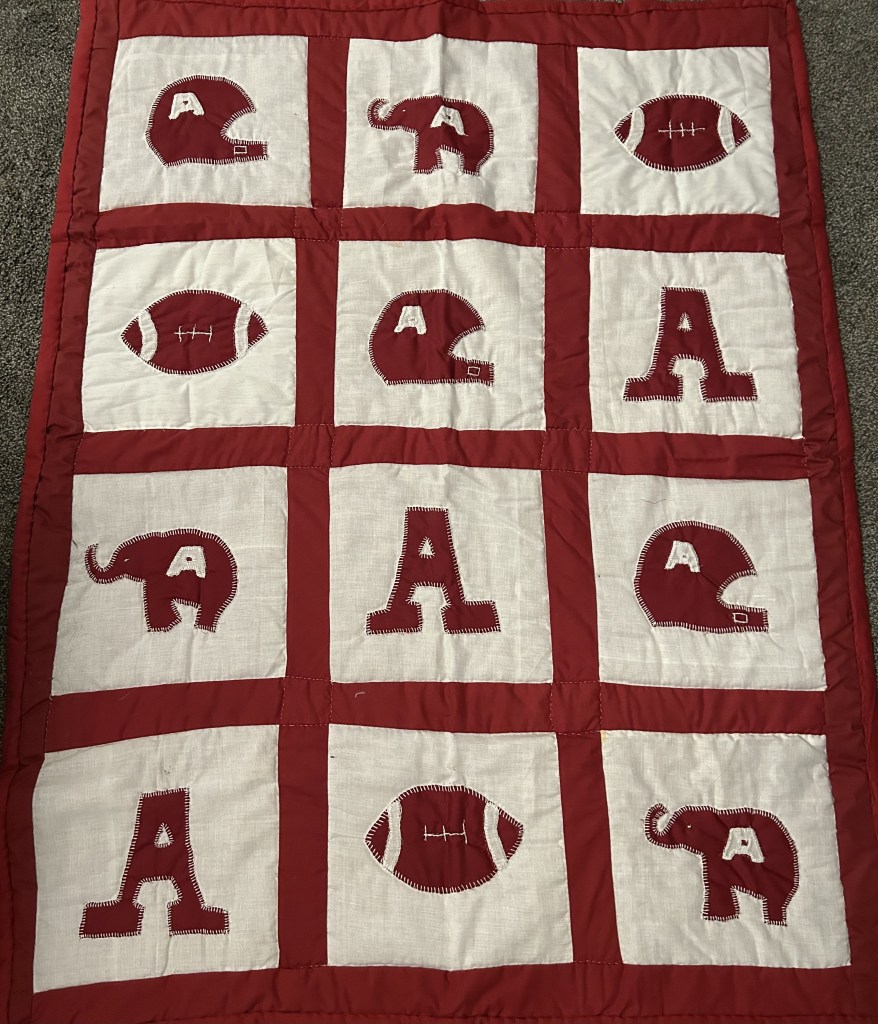
Family and home are central to this perspective, grounding my stories in the relationships and traditions that define Southern life for me. The culture of the place is a tapestry woven through the land, neighbors, communities, histories, food, churches, schools, music, and football. These often appear in my writing, not only offering insights into shared experiences but also helping us understand the world around us and highlighting the relevance of our observations. Yes, there are lessons to be got from SEC football. Roll Tide, y’all.

Image of a handmade quilt with a crimson and white Alabama football theme. The quilt features appliqué designs of football helmets, footballs, the letter 'A,' and elephants in alternating squares. Each design is outlined with visible stitching, and the quilt is bordered with a crimson edge, showcasing school spirit and craftsmanship.
Lovingly made Alabama Quilt from my Mother

But writing from a Southern perspective also means wrestling with the region’s complexities. The South is as much about its tensions and contradictions as its traditions. It’s a place where politics, identity, and history converge, challenging us to confront difficult truths while celebrating what makes it unique. Without acknowledging the turmoil and inequalities of its past, any discussion of Southern life, identity, and culture feels inauthentic and incomplete—it’s a Southern writer’s malpractice. As someone who often says, “I love the South,” I can be trusted to both celebrate and critique it. Critique from someone who hasn’t lived it or can’t celebrate it is equally incomplete–and there are plenty of these critics around. This is my not so humble Southern opinion.

Nostalgia: A Lens for Understanding

Nostalgia, as I see it, is not about longing for a bygone era but about connecting the past with the present to find meaning that may inform the future. The word itself comes from the Greek words nostos, meaning “homecoming,” and algos, meaning “pain” or “longing.” It speaks to a deep yearning for the familiarity and comfort of home, even if that home is more an idea than a place. Some homes are not the kind we can long for; rather, we might long to be released from their memory. This etymology captures the duality of nostalgia: it brings remembrances of warmth and connection, yet it also reminds us of what is distant or lost. The dual nature of nostalgia vies for our attention, wrestles for focus, and fights for dominance—keeping many of us in therapy for years.

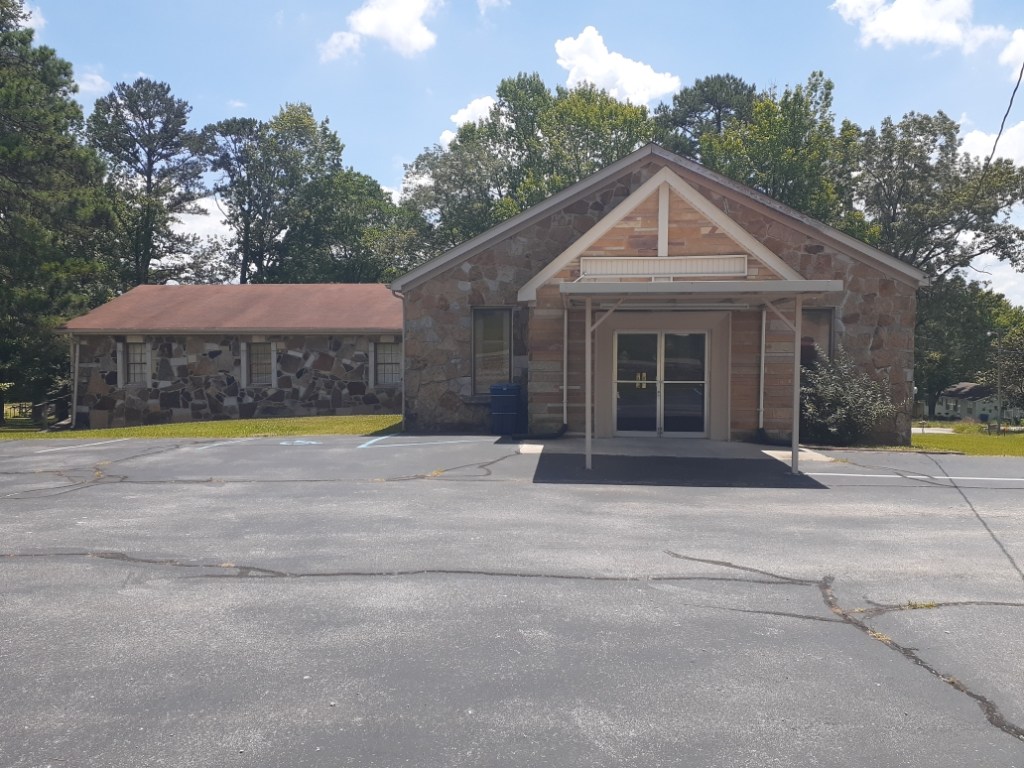
Image of small stone church, Littleville Church of Christ, Littleville, Alabama
My home church, Littleville Church of Christ, Littleville, Alabama

It’s a complex emotion, often blending warm memories with a bittersweet awareness of time’s passage. Far from being purely personal, nostalgia is often collective, rooted in shared experiences and cultural touchstones like family recipes, cherished traditions, or the familiar strains of an old song. In my writing, nostalgia becomes a guide for exploration. Stories about homeplace and family lead me to reflections of broader themes, such as the importance of community, civility, and the pace of modern life. Nostalgia isn’t a destination where we can remain lost in the preferred past; for me, it’s like wrapping myself in an old quilt, offering warmth as I navigate the here and now. You can’t linger too long, though, because living means stepping into the day with clarity and intention.

The Front Porch as a Space for Reflection and Stories

The front porch, in this context, is both a literal and metaphorical space—a place where complex ideas meet honest, accessible conversation. It’s where intellectual rigor mingles with the warmth of shared stories, and where connections are formed through curiosity and reflection. This is the balance I strive for: nostalgia not as an escape but as a framework for growing and learning.

The front porch is open to anyone willing to join the conversation, to explore what place, the South, and our shared histories mean in today’s world. And if you aren’t Southern, you might still have a good time and make connections, too. Together, we can find clarity, joy, and meaning in the stories we tell. I believe we have a responsibility to one another to make the world a better place–a place where we indeed have the liberty to pursue the happiness of a gratifying life. Taking care of our neighbors has never been as important as it is now. It feels like not only have we forgotten how, but we have forgotten that we ought to in the first place. That’s another reason front porches are important. I hope you will join me.

The Old Man and the Coon, or, Tales of Daddy and Popeye

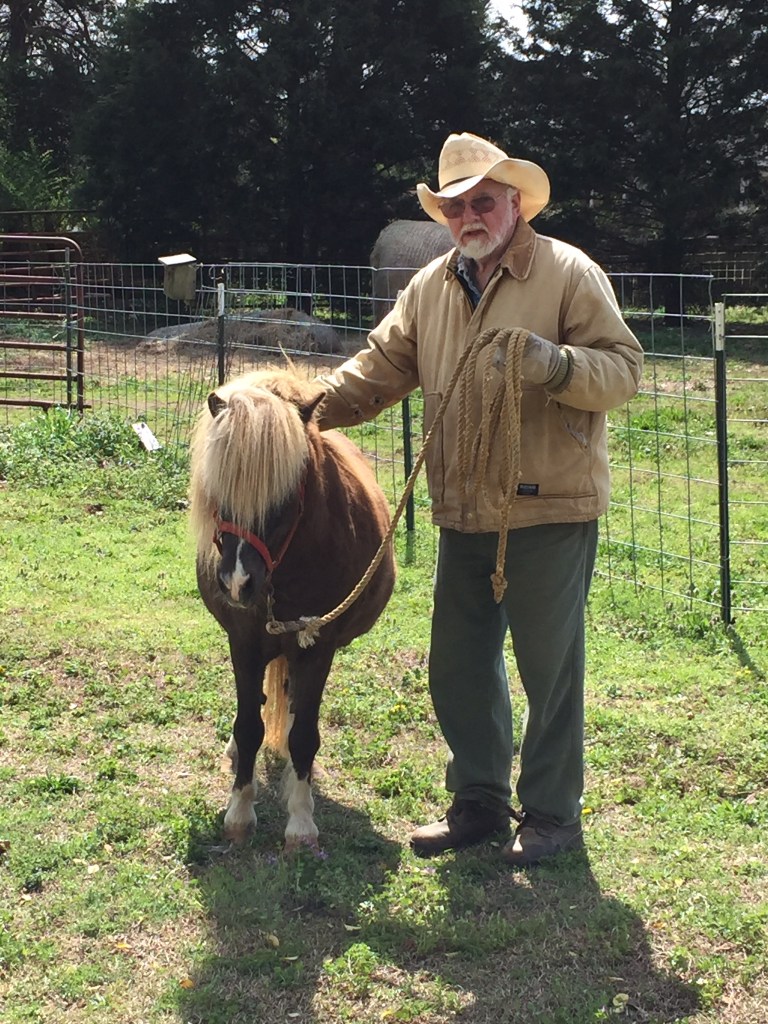
I am not a phone talker. Nobody in my family is, but it occurred to me today that I had not spoken to my parents in a while. So I called them. Daddy is 83, and Mother is 80. My son Daniel lives with them and they all take care of one another. Mother and Daniel have an English Bulldog named Boo Baby, and Daddy has an 18 year-old Rat Terrier named Popeye. In dog years, he’s older than Daddy. Now, when the phone rings at the house, Mother picks up the downstairs phone, and Daddy picks up the extension in his room simultaneously. He waits his turn patiently for me and Mother to catch up, and then he will say something like, “Well, I’m still here.” That’s Mom’s cue to turn me over to him. So, I went through my topics–work, weather, how I’m doing, more weather, and the proper name of Grandpa’s Whiskers (it’s Cleome). Then it was time to talk to Daddy.

He eventually asked, “Did I tell you about Popeye nearly getting hit by a car the other day?” I said no, what happened? Popeye is deaf and blind and has already been hit by a car once in his life when he was much younger. They keep him in a pen outside with a box fan beneath a beach umbrella continuously running to keep him cool in the Alabama heat. Daddy lets him out in the yard when he goes outside, and that day he followed Daddy to the mailbox. While Daddy got the mail, Popeye stopped in the middle of the road to wait on him. A car came speeding around the curve–Daddy is very attuned to traffic these days–and Popeye didn’t move. My father then steps out into the road and attempts to slow the oncoming car, which did not stop but veered into the other lane, barely missing Daddy and Popeye.

This is Daddy’s story about the Raccoon, which he and everybody else in my family calls a coon (I come from a family of coon hunters.). Here’s how he told it.

Last night, me and Pop went out to close up the barn. He went down the back of the barn and started barking. I thought ‘uh-oh’ he’s treed something. And I looked up and there was a big ol’ coon hanging from the rafter by his hind legs reaching down towards Popeye! I thought that if he got him, he’d tear Popeye up. So I said, c’mon Pop, let’s go get the shotgun. I come in the house and got the shotgun and told Daniel and your Mama that I reckon I was gonna have to kill that coon. Popeye had come up to the gate by the house, and he was ready for me and him to go back and get the coon. So we went out there, and there was the coon, but when he saw us, he slipped out the back of the barn. So I said alright Pop, let’s go back in the house. Now, can you imagine an old man and old dog out in the dark at the barn with a shotgun gonna shoot a coon?

I told him that I wondered about that but decided just to let him tell it. He got a chuckle out of that. My dad is very proud of me, especially of me getting a Ph.D. He kids me about how far I’ve come from Littleville, Alabama, and has modified my nickname of “Miss Bean” to be more formally “Dr. Miss Bean.” As we were hanging up (Whitlocks do NOT stay on the phone), he said, “You need to write a book about that. Only thing, nobody would know what you were talking about.” I bet I could tell it so they would, I thought to myself. So, that’s what I did. Before I moved away from Alabama for the first time, Daddy gave me some advice my great-grandmother gave her son as he went off to war: “Don’t forget who you are.” That was it. Daddy knew that I knew what it meant. Who I am is of that place. I come from a patch of land in Littleville where my dad and his little dog put up the chickens every night and my mom and my son work their little flower garden and fill 10 hummingbird feeders every day. Where we will have barbeque and fried catfish from Swamp Johns and homemade ice cream when I go to visit. Daddy, I haven’t forgotten.

Race, Religion, and the Lost Cause: Observation from the National ONA Gathering

Today is June 19th, Juneteenth, the day in 1865 when news of Lincoln’s signing of the Emancipation Proclamation two years earlier finally reached enslaved persons in Texas. It coincides with the National Gathering of the UCC Open & Affirming National Gathering and a Race and Religion course assignment on whether the Lost Cause still exists in the South today. All things work together, and it is fitting.

When I was a kid my parents took my little brother and me to Shiloh National Military Park. This began and strengthened my fascination with the Civil War. Other Southern writers have written about how prominently Civil War lore figured into their childhoods, how it shape their psyches as Southern men. No major battles took place in Alabama like in Virginia and Tennessee, so my parents—who took exactly one vacation in their lives and it was NOT to the beach—hauled us on a day trip to Shiloh. We saw the exhibits with artifacts from the battlefield: bullets, bayonets, buttons. We saw a film that mapped out the two-day fight from April 6-7, 1862, the bloodiest battle until Antietam five months later. It remains the sixth on the top ten list. We walked around sites so horrific they had been named: Hornets Nest and Bloody Pond, water colored red by soldiers’ blood. At the end of the day, my parents took us to the gift shop, where we were each allowed one souvenir. My brother and I  got the same memento—a confederate private’s cap. We did not even consider the Union blue cap of the yankees.

Ku Klux Klan, KKK, Southern, Civil War, Lynching, Nostalgia, Lost Cause, Reconstruction

I think perhaps the Lost Cause takes on a different meaning for working class Southerners than it had for the old plantation class that evolved into wealth obtained from industry and later, investment. For us, the Lost Cause equated with the tragic romanticism of the lost war. The South is a contested place; it is a place looked down upon by those outside—and sometimes inside—of it. During the tour, my brother and I cheered for the Shiloh story of Day 1, that went to the confederates. On the second day, Grant’s reinforcements arrived, Albert Sidney Johnston was shot, and the battle went to the Union. The feeling I had then is similar to the physical and emotional drain I feel after the University of Alabama loses a big game to Auburn. It is real disappointment that I feel for the rest of the day. Our land had been invaded and we had lost. That was my lost cause, and its symbols took on religious meanings—the Stars and Bars battle flag, the gallant General Lee upon his steed Traveler (yes, I know the horse’s name), and of course, Dixie, our hymn.

Constructing the Lost Cause narrative so strong that is part of the psyche of Southerners who have no discernable connection to the Old South other than geographic location required a national comprehensive campaign. So the question to consider is, in whose interest was it to create the Lost Cause as an organizing theme? The white plantation class, supported by southern newspapers convinced poor whites that they were whiter than they were poor; thus, they allied with the people who looked like them. We continue to do this today, voting and allying against our economic interests because they are white. Northern and Southern Protestants turned defeated confederates into defeated Christians as the Lost Cause became a vehicle for Southern Redemption—redemption that was religious, social, and political.

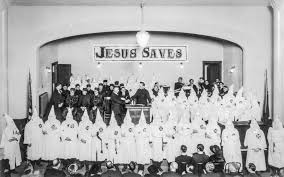
Yesterday, I attended a session at the UCC Open and Affirming (ONA) National Gathering in Milwaukee, called Offensive Faith: Queering the Playbook for Religious Engagement. Rev. Naomi Washington-Leapheart, of the National LGBTQ Task Force stressed the intersectionality present in dismantling systems of gender and sexuality oppression. People of color are disproportionately affected by violence in this country; the same is true for gender violence. One of the pictures she shared prompted my reflections here, connecting religion, the Lost Cause, and racial (and gendered) violence. I look at it now and am offended, yes, but I see it and know that the stirrings of nostalgia I also feel seeing the old black and white photo that could have been taken at Littleville Elementary School, where I grew up a confederate child. My nostalgia is a fruit of white privilege, and so too is offensive.

The second photo Rev. Leapheart shared will likely offend Lost Causers—not only them, it will offend many other white people. I think when we as a people can be offended by both images because they stand for a history of racial violence in which religion has been complicit—then we might hope for redemption.

Please also take time to visit the National LGBTQ Task Force web site and read about their All of Me. All the Time campaign for the Equality Act. They have this description:

The National LGBTQ Task Force educates federal policymakers about the need for non-discrimination protections that ensure the whole person is able to advocate for themselves when discriminated against, wherever that discrimination takes place. We work with a wide range of progressive partner organizations across the country both at the state and federal level, like the National Black Justice Coalition. The Task Force shifts the conversation from a political and technical one to a national and inclusive conversation based on morals and values.

National LGBTQ Task Force

Our Lady of Ferguson, Mark Dukes, Black, African American, Police Violence, Police Shootings, Black Madonna


Alabama Gilead: The Beguiling of Conservative Women

for Jenny Nixon

Last weekend, I attended the National Gathering of the Southeast Conference of the United Church of Christ, a denomination with a history of social justice advocacy that dates back to colonial New England. The UCC has always, to my knowledge, ordained women ministers, and it is a space where I feel welcome to offer and develop my gifts of leadership. One evening at dinner, I gravitated to a woman dining alone and asked if I could join her. I didn’t join her because she was alone; I joined her because I had been in a previous session with her and heard some of her story. I remember she had said: I was in Alabama during the Civil Rights years, and the League of Women Voters kept me sane. I wanted to hear more.

Her name is Jenny Nixon, and she is a resident of the Uplands Retirement Community in Pleasant Hill, Tennessee, which, if you ask me, is one of the best kept secrets in retirement living. Jenny was hard to miss all weekend because of her booming voice, head of solid gray hair, piercing blue eyes, and the shape her body has decided to take as she got older, which required her to use a walker. Yes, I’d appreciate your company, she told me. I eat more slowly than most people these days. I fetched us a couple of pieces of strawberry short cake for us and sat down.

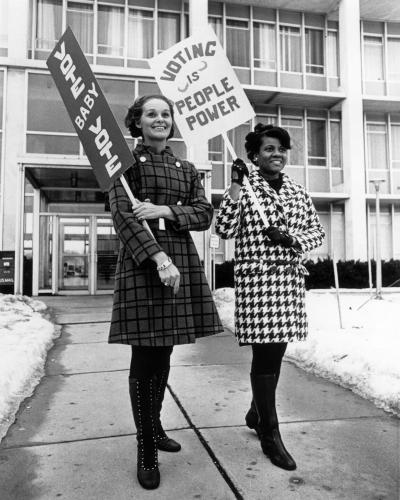
League of Women Voters, feminist, feminism, voting rights, women, women's history
League of Women Voters, 1970’s

Jenny was born in Oregon in 1933 but had gone to college in California and lived for some time in Washington State. I’m a Westerner, she told me with a glint in her eye. What attracted me to her was that she had been a women’s rights activist in the 1960s and 1970s. It isn’t too often that I get to meet a feminist–a real feminist–from the “women’s lib” era. But that wasn’t the only reason I wanted to hear more of her story; our stories, as it turns out, had something in common: Alabama. Will you tell me more about your time in Alabama? I asked her. I think it’s important, and I know it’s interesting! That’s all it took. I will recreate her narrative here with only minimal interruptions of my interjections and comments.

My first husband was an aerospace engineer, and “Mr. Boeing” sent him to Huntsville, Alabama, where he worked on the rocket that sent us to the moon. It was 1964. Kennedy had been assassinated, but worked progressed on the space program. We lived in South Huntsville. Our kids eventually went to Chaffee Elementary School, White Middle, and Grissom High~~all named after the astronauts killed in the Apollo 1 fire at Cape Canaveral in 1967. Of course, that was my first husband. The only things we had in common were our kids–and bridge. We were an unbeatable bridge team! I am very proud that I always spoke well of him to my children. That was very important to me, that they kept a relationship with him. He was a good father. 

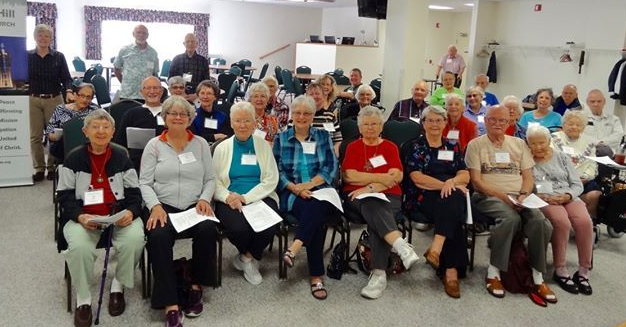
League of Women Voters, Feminism, Feminist, Women, Women's Rights, Handmaid's Tale, Alabama, Kay Ivey, Abortion, Alabama Abortion Law, Conservative, Conservative Women, New York Times
I searched for a photo of Jenny, and I believe she is seated just to the left of the column.

In those days, the senior engineers had a choice of moving or not, and most of them chose not to. So there were communities of young families with young children. Before Boeing, before NASA, Huntsville was a cotton town; once we got there, it was a city of 20- and 30-somethings. I had young children, my husband was an engineer, I was college educated. I needed something to do because I couldn’t just stay at home. The League of Women Voters really did keep me sane. My husband didn’t really approve of the amount of time I spent working, but I did it anyway. I was president of the local chapter. In those days I could mimeograph flyers at my house. We met at my house over the years.  

I was in Huntsville the year the President signed the Civil Rights Act and the Voting Rights Act. We worked hard. One of our projects was a weekly bi-racial lunch, where we went to lunch as a group of Black women and white women–together–to a restaurant. In Alabama in the 1960s that was a radical act. You just didn’t do it. My husband’s job was integrated because it was the federal government, so they hired Black engineers. George Wallace was governor during that time, and it was not easy. 

I used to tell my friends in the West that not everybody in Alabama was racist, that there were people there who worked for civil rights. I tried to bring my children up that way; of course, sometimes the teachers reported that they were being disrespectful. They didn’t say “ma’am.” But they turned out fine. Eventually, more of the women went to work outside the home, so there were fewer of us who could do volunteer work with the League. When my husband was transferred to Washington State, that was the end of my Alabama years. 

By that time, we were finished with our shortcake. I’m keeping you, I said. Yes, I’d just as soon go home now, she replied mater-of-factly, as she asked me to dial her current husband George on my cell phone. George, this is Jenny. You can come and pick me up now in front of the cafeteria. Five minutes, yes. Goodbye. Spoken like a Westerner.

Last month, Alabama Governor Kay Ivey signed into law the harshest abortion bill in U.S. history. According to the Washington Post, only three women had a voice in the Alabama state senate, where all 25 votes cast in favor of the bill were from white, Republican men. This in a state where although 51% of the population is made up of women, only 15% of the legislature is–one of the worst ratios in the country (https://www.washingtonpost.com/nation/2019/05/15/typical-male-answer-only-women-had-voice-alabama-senate-men-passed-abortion-ban/?utm_term=.8fd84fe87878).

This morning, an opinion piece from the New York Times popped up in my news feed called Where Are the Socially Conservative Women in This Fight?
The American family needs defending and right now men are leading the charge. Written by Helen Andrews of the conservative Washington Examiner, a central them was a critique of the “Two Income Trap,” a term coined by Senator Elizabeth Warren in her book by the same name. Andrews opines:

Marriage simply no longer offers the financial security it once did. The consumer goods that singles buy have gotten cheaper, but the things that middle-aged parents spend the most money on — houses, education, health care — have gotten more expensive, while wages have stagnated. It has become difficult for a family with one breadwinner to afford a middle-class standard of living. “Mom’s paycheck has been pumped directly into the basic costs of keeping the children in the middle class,” Ms. Warren’s book “The Two-Income Trap” explained. The mass entry of women into the work force is one reason for this financial insecurity.

Look at that last sentence again. It’s important, as Andrews turns her argument for the emergence of conservative women toward women’s desire for marriageable men. She references the now-viral quote by Fox’s Tucker Carlson: “Study after study has shown that when men make less than women, women generally don’t want to marry them. Maybe they should want to marry them, but they don’t.” Andrews expounds:

As it happens, there is an abundance of data on Mr. Carlson’s side. Wendy Wang is the director of research at the Institute for Family Studies, and before that she worked at the Pew Research Center, where she co-wrote a report about unmarried Americans. “The number of employed men per 100 women dropped from 139 in 1960 to 91 in 2012” among never-married Americans 25 to 34, her report found. “In other words, if all never-married young women in 2012 wanted to find a young employed man who had also never been married, 9 percent of them would fail, simply because there are not enough men in the target group.”

Poor white men. No one wants to marry them. And why not? Because women have taken their jobs!

Here’s another jewel from Andrews, citing an MIT study: When women’s wages went down relative to men’s, marriage and fertility actually went up. I do not have to paint the phallic imagery here, do I?

So, rather than build an economy built on sustainable infrastructures, living wages, affordable health care and child care, paid leave for parents of all genders, tax payer funded college tuition, and jobs in a 21st century world–Alabama leads the rest of the country in this ignoble approach to economics, which, make no doubt about it, it is. Abortion legislation is not about morality or religion or the salvation of Alabama souls. It is political, for it will keep the good Christian people voting Republican–against their own financial and reproductive interests. And this, friends, will keep the Republican coffers full.

Feminism, Feminist, Women, Women's Rights, Handmaid's Tale, Alabama, Kay Ivey, Abortion, Alabama Abortion Law, Conservative, Conservative Women, New York Times

The Alabama bill, along with Andrews’s call for conservative women to take up the call to put women back at home rearing children while their men go off to work, is dangerous. Under the guise of fighting for our “right” to stay home and raise children–and do the majority of domestic labor without pay as part of the contractual obligation to which their marriageable men are entitled–women will be demanding to have our rights revoked. Rights that people like Jenny Nixon worked–from her home, while her children were at school–to make available to us. And, women like Governor Kay Ivey, who have the facade of power, do the bidding of male legislators. If you want to see what the world will look like when this retro-vision is enacted, look no further than the Alabama legislature. Or the list of Fortune 500 CEOs, or the U.S. Senate.

Feminism, Feminist, Women, Women's Rights, Handmaid's Tale, Alabama, Kay Ivey, Abortion, Alabama Abortion Law, Conservative, Conservative Women, New York Times

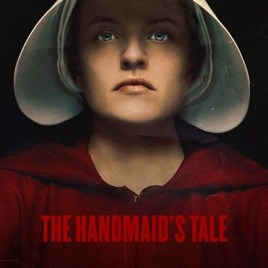
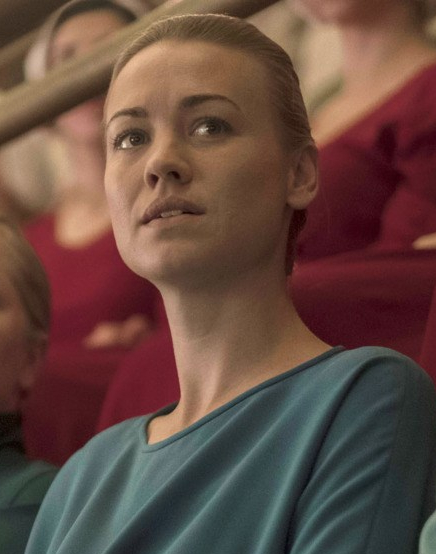
There’s another place you can look. Watch The Handmaids Tale, Seasons 1 & 2. It was not Commander Waterford who was the architect of Gilead. Rather, it was his wife, Serena Joy, who was the power and talent of the movement. In one chilling scene, which I’ve included below, Serena uses her charismatic speaking talent to turn a group of college student protesters to her conservative vision. Keep watching, though, to see how it turns out for her after she cedes her power. See how she lives in Gilead. The cost of equity and equality is high–we continue to pay it. But there is also a cost to maintain our liberty, and part of that cost is vigilance. Margaret Atwood noted in her book the wages of inattentiveness. Nothing changes instantaneously: in a gradually heating bathtub you’d be boiled to death before you knew it.

Have you written your story down, recorded it somewhere, I asked Jenny. No, she said. I thought about it but haven’t. I still remember it, though. I pray that we will all remember, before we boil in a bathtub of our own making.

The Power of a Conservative Woman: Serena Joy Waterford, The Handmaid’s Tale

NYT: Where Are the Conservative Women

‘A typical male answer’: Only 3 women had a voice in Alabama Senate as 25 men passed abortion ban

Season of Lilacs: Memoir For My Mother

home, memoir, mother, family, south, grandmother, lilacs, autobiography

Down home, where they know you by name and treat you like family,
Down home, where a man’s good word and a handshake are all you need.
Folks know when you’re fallin’ on hard times you can fall back on
Those of us raised up—down home. (Alabama, 1985)

Prologue
When my grandmother died, it was April, and the lilacs were in full bloom. I think back on those lilacs now, realizing that they, like the women in whose lives they played such a part, define homeplace for me. I realize that I cling to them, the flowering, decadently-scented lilac that stands at the doorway like the angel at the Garden of Eden, and the women of Big Mama’s. But the angel armed with flaming sword was placed at the Garden’s entrance by God to keep people out, so homeplace, even as it beckons, has its own fiery barriers. I can no more cross the threshold of home guarded by the lilac than Adam and Eve could get past God’s messenger. And yet, just as the searchers have sought the now mythic Eden, Southerners, like me, spend an endless quest yearning for homeplace, trying to go home.

home, memoir, mother, family, south, grandmother, lilacs, autobiography
Lilacs by the Front Door

It was around my grandmother’s table that I first learned about homeplace, as she and her 5 remaining daughters, the sisters, recollected the old hard days and made plans to go back. In the same way that bell hooks (1990) contends, “houses belonged to women” (p. 41), for me, home is made by them. On Sundays, over coffee and caramel cake, they lovingly described the house and place where six babies were born. I learned that the old homeplace was a location of enshrined desire. And it is within nostalgia, a yearning for home, that desire and homeplace ideology intersect.

Daddy’s people did not like Mother’s people. My father’s father had finally left the farm, got factory work, and moved inside the town limits. When his son, my father, fell in love with a girl from “the mountain,” it appeared to them like a step backward. My mother’s home was a place of noise and music and laughter and hard liquor—everything that Daddy’s fundamentalist Christian mores denounced as sinful. The pact was made: when they married, she would disavow that lifestyle, stay away from home. I knew very little of my maternal family until I was 12 years old and my mother could not stay away any longer. She took me with her to Sunday coffee at Big Mama’s.

By the time I met them, Big Mama had left her job at the local truck stop, and the sisters had divorced the wild young men who drank and played music on Saturday nights. I returned to a Sunday afternoon matriarchy that had resigned itself to calm. Now the sisters and their daughters returned to sit around the same table, now cluttered with chipped coffee cups rather than bottles of Jack Daniels. Big Mama’s house was not quiet or orderly. The old house creaked and heaved with determination as it enveloped the lives it cradled, including, again, Mother’s, and now, mine.

Some images never leave us. When Big Mama got sick in 1983, the sisters rallied. Nobody was taking care of their mother except them, and they stayed with her around the clock for a year. On a Sunday very different from those spent around the table, I saw death still in the claiming. Big Mama had no appetite and was drinking only a little milk. Mother was at her bedside trying to get her to eat yogurt. I could not bear to go into the dark bedroom, witnessing the scene instead from the next room, as close as I could get but not nearly as far away as I longed to be. My mother coaxed her mother to eat, tiny spoonful by tiny spoonful, cooing to her as she had to my own baby, to me as an infant. She tenderly spoke words of love to her mother, words devoid of joy, words sickeningly rich with heartache. I had never felt so low and empty and sick, and I never have since.

After she died, I was wracked with remorse because I missed so many years. I loved her, and I treasure the time I spent with her. But regret and guilt are old friends who call often; there would be no moving forward. Then I dreamt my dream. She and I were alone in the darkness, and I, grown and helpless, was sitting in her lap. She enveloped me in an old string quilt, soft and comfortable with age. Her words and her body soothed me; I knew that I had known her. And my heart and mind rested easy.

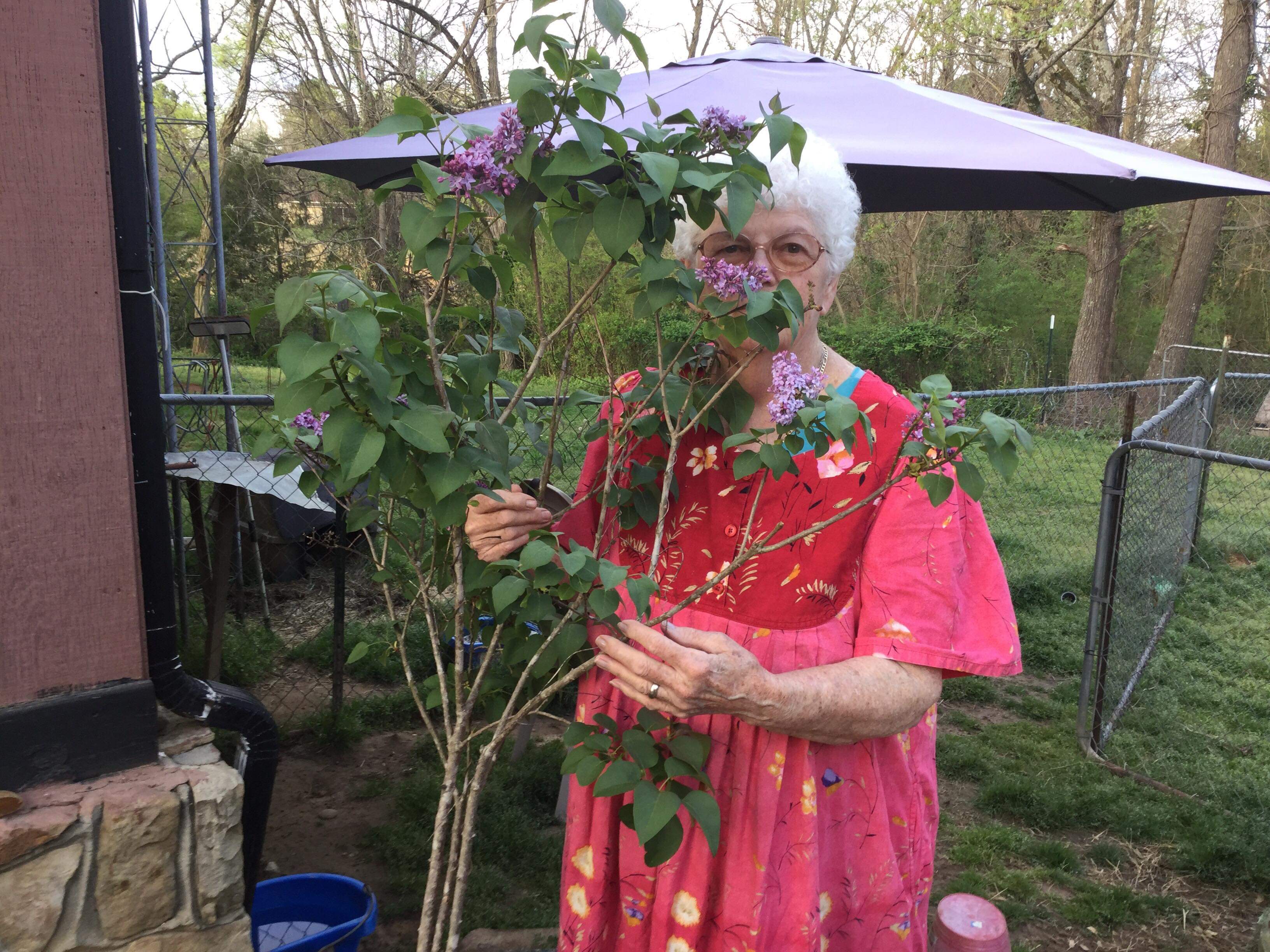
When the sisters finally made the pilgrimage back home, some 50 years after leaving it, they carried with them buckets and tools. They came for artifacts, tangible memories. Each collected cuttings from foliage that remained, now overgrown with scrub bushes and weeds. My mother and her four sisters cut through the wild vines and tall weeds to re-claim their mama’s garden and take it home with them—old plants: mock orange, iris, forsythia (yellow bells), and lilac. Since then, wherever Mother has lived, wherever I have lived, we have dug up a piece of those plants, with good roots so they will live. “They won’t ever even know they’ve been moved,” she tells me. I do this because wherever I live, it comforts me to know there is a lilac by my door.

Mother and Lilacs
Mother and Lilacs

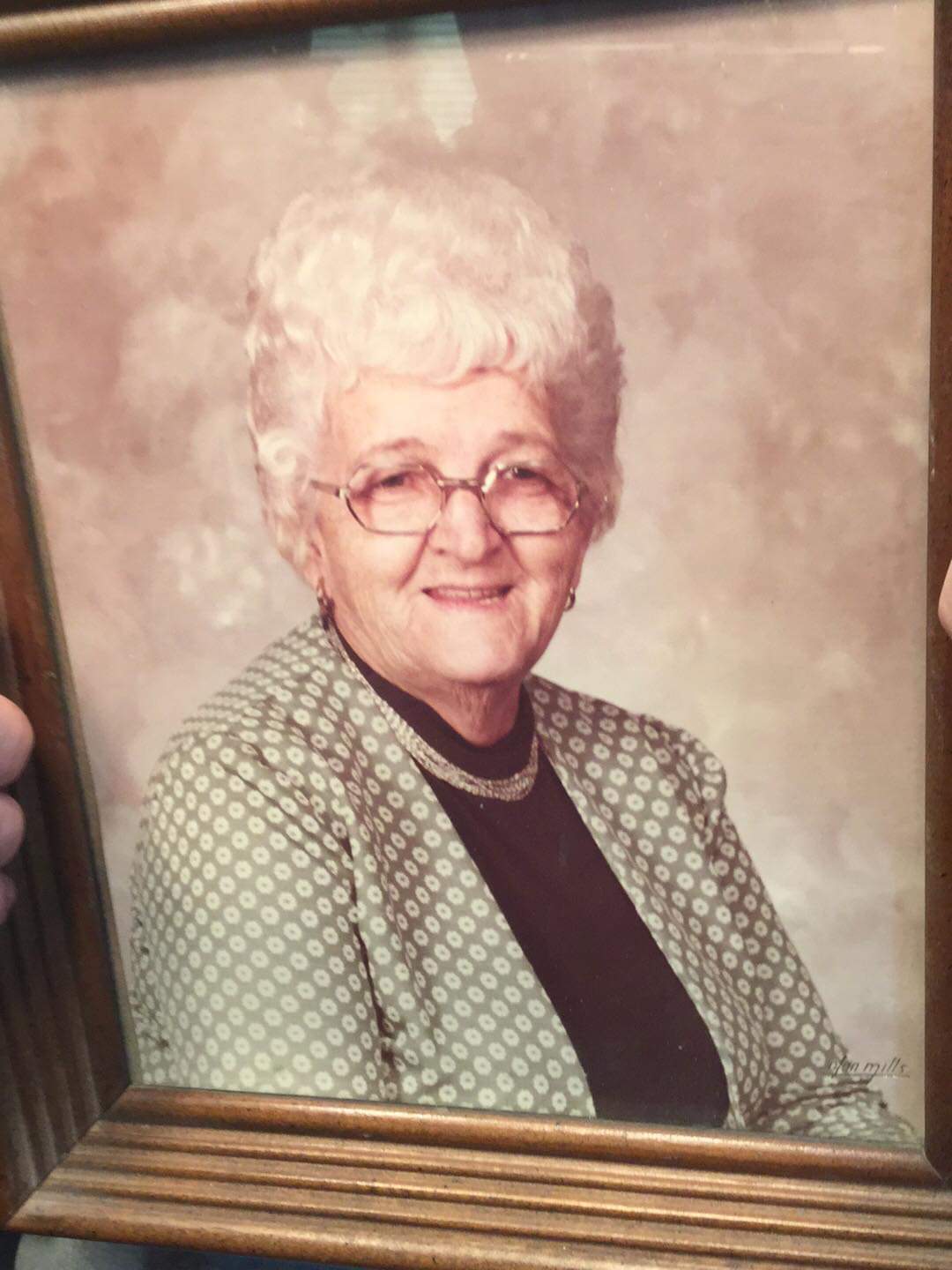
Big Mama
Big Mama: Frona Almeda Hooper Fisher

This piece was adapted from an academic paper published as Whitlock, R.U. (2006). Season of lilacs: Nostalgia of place and homeplace(s) of
difference. Taboo: The Journal of Culture and Education. Fall-Winter 2005.

Louisiana Black Church Fires: A Psalm of Community Lament

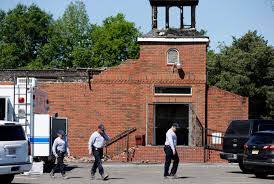
Holy God, we must speak the names. St. Mary Baptist. Greater Union Baptist. Mount Pleasant Baptist. Louisiana smolders. In the names and the smoke our sin is manifest. We do not speak of their pain because the pain is their own—it belongs to their hearts. We do not get to cry those tears. Theirs is not our story to tell. Our story is a 21-year-old in an orange jump suit staring back at the camera. “His dad has been a sheriff for a number of years, he’s a good fellow,” said a state congressman. “My understanding is the son has had a troubled past.” Yes. Sons of the South have troubled pasts. “Not guilty,” he pleads. It is we who need to plea, yet ours can be no other than guilty. In 1963, two other sets of eyes looked back at the camera, in Birmingham; our pasts are troubled. “I tremble for my country,” Jefferson said, “when I reflect that God is just; that his justice cannot sleep forever.” Louisiana burns, God, and we tremble in our transgression. Do you yet sleep?

Church Ruins

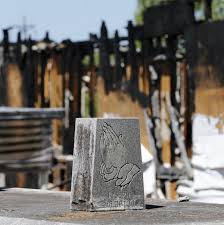
God, we trust you~~that we are not condemned to forever suffer the consequences of our sin by perpetuating evil. At the hearing, the 21-year-old arsonist’s father, the deputy, left the courtroom in tears. What did he cry for? His “good boy”? A lost youth? A youth lost? His boy took pictures of himself. Pouring gasoline. With a blazing building. Among the ruins. He claimed this.

God of justice, God of righteousness, we trust you and we offer you all praise~~but we do not know exactly what to ask you. Has nothing been asked before? Have we not prayed for forgiveness? Have we not prayed for good relations? Have we not prayed white prayers that our white children would not detect our locked-away resentment of freedom ringing? Correct us. Guide our hearts to pray those prayers. Awaken your justice, God, and direct us toward reconciliation and love—discernible in the photographed eyes looking back at us. Amen.

Church Ruins 2