I’m honored to share that my new article, A Field in Flux: Notes from an Administrative Escapee, has been published in the Journal of the American Association for the Advancement of Curriculum Studies (JAAACS). While its title suggests a personal confessional, the piece ultimately offers a broader reflection on the evolving and embattled state of Curriculum Studies/Theory—shaped as much by political and ideological pressures as by institutional shifts in teacher education. Drawing on recent scholarship and personal experience, I explore what it means to “come back to theory” in a moment when the field itself feels fragmented yet urgently needed.
You can read the full article here:A Field in Flux: Notes from an Administrative Escapee – JAAACS, 2025.
Title: Sojourners Together: Supporting Students Through the Struggle
In my last post, I shared how online teaching has rekindled my passion for the classroom. I’m enjoying the challenge of engaging students in new ways, and I’ve found it fulfilling to build connections through messages, stories, and shared experiences. But as much as I’m finding this fresh approach to teaching rewarding, I’m also deeply aware that many of my students are struggling.
A Boat Adrift
Recently, I sent out a weekly check-in message—something simple, just to touch base. While many students voiced their overall enjoyment of the class, several also let me know they’re having a hard time. These aren’t typical undergraduate students juggling part-time jobs and coursework. These are working professionals, members of a cohort in our Master’s in Applied Learning and Instruction program. They teach in local partner school districts. They’re educators, spouses, parents, coaches, community members. They’re churchgoers, pet owners, and caregivers. And yet, despite all these roles, they’ve committed to taking two graduate classes each semester for two years.
They do this not just for a much-needed pay raise, but for their professional growth—to become better teachers for their students. Our children. And that humbles me. It’s not easy.
These students took a heavy blow during COVID-19. They were asked to be miracle workers, juggling the impossible demands of remote learning while supporting students, families, and their communities. If there was one silver lining to the pandemic, it’s that thousands of parents who had their children learning from home gained a newfound appreciation for teachers. They saw firsthand just how challenging this work is.
And yet, despite all of this, my students show up. They’re willing to do the hard work every day. But I know—and they know—that time is scarce. They probably don’t have six extra hours a week to devote to their studies, yet that’s the general guideline for graduate coursework. They’re balancing it all, and their struggle deepens my sense of responsibility as their instructor.
If I expect them to make time for this class, I have to make it worth their while. I owe them my best. If I want them to give of themselves, I need to give of myself.
Is the reading dry this week? Then I’ll record a discussion to bring it to life. Is the assignment complicated? I’ll walk them through it, step by step. Are assignments feeling routine and uninspired? I’ll revise them to appeal to different learning styles and spark engagement. Do they need more time to complete an assignment? I’ll do my best to accommodate that. Are they feeling overwhelmed? Then I’ll be present—showing up in the class, personalizing my feedback, and ensuring they don’t feel adrift in the online world.
I’ve practiced social-emotional learning long before it had a name. I know the value of a supportive learning environment, and yes, sometimes that means sharing pictures of our five pets to give them a chuckle. It’s about reminding them that I’m here, on the other side of the screen, rooting for them.
Boats, together
As hokey as it might sound, caring is part of the classroom culture I want to cultivate—a culture of care and connection. Teaching can be a lonely profession. Being a professor can be just as isolating. But this online space offers a chance to bridge that gap, to connect people who might otherwise feel alone in their struggles.
It is important that I keep asking them to check in—asking how they’re doing, beyond just the coursework. These check-ins aren’t just about staying informed; they’re about fostering trust and reminding them they’re not alone in this. We are sojourners together this semester. Yes, they will struggle. That’s part of the journey. But the most important assurance I can give them is that I am here. And sometimes, that’s enough to make all the difference.
Welcome to the new semester and to our class! As your professor, I want you to know how excited I am to be back in the classroom after several years in administration. It’s been a while since I last taught a full course load—2007, to be exact. Since then, I taught an occasional class until stepping fully into administration in 2016. Now, here I am, rejoining the classroom and rediscovering the rewards of working with students like you.
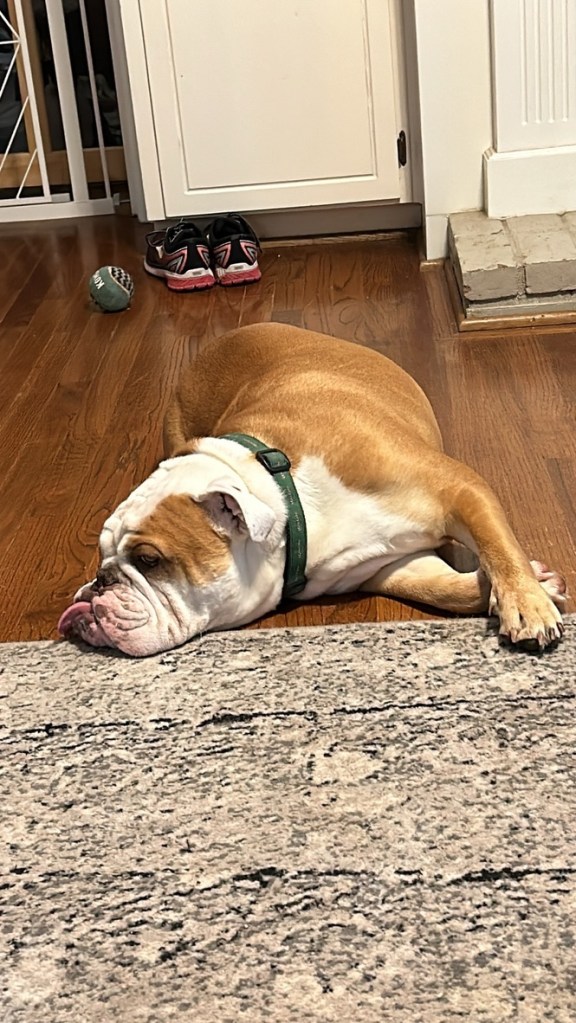
Bruno is ready for school
A lot has changed since I last taught full-time. We’ve experienced a global pandemic, witnessed national and global unrest, navigated four presidential elections, endured economic turbulence, and just generally undergone shifts in our society. Schools and classrooms have changed over the years, too. Teachers have left the field in significant numbers and fewer people are entering the profession. Those who stay report that their students have changed. Actually, we’ve all changed.
But amid all this change, some things remain constant—our innate human capacity for love and acceptance, and our nature as social creatures who need each other. We are curious about the world and about one another. We can laugh at ourselves. These are foundations that inspire me as a teacher, ones I hope will inspire you, too. Our humanness fills me with faith. I have faith in you and in the value of this class. We are going to explore some very interesting topics together, which I hope you will carry into your own classrooms. I hope you will also pass on to your students the faith, hope, and inspiration that I hold for you.
Bruno contemplating beginning of semester
I’ll be honest with you: I feel a mix of anticipation and vulnerability as I return to the classroom. I want to create a dynamic, engaging space that feels welcoming and worthwhile for each of you. Even though it’s been a while since I’ve facilitated learning experiences for students–either online or in person–I see it as a challenge worth embracing. Why? I still believe in the power of education to make a difference—not just for your students but for you, too. I believe that we can change the world one student at a time.
Our time together will be about more than standards, objectives, and theory (though we’ll cover plenty of that stuff). It will be about understanding ourselves as educators, examining the world through a critical yet hopeful lens, and preparing for the deeply human work of teaching. I have great hope that you will find this class meaningful and empowering as you move closer to realizing your dreams—both personally and professionally.
Let’s begin our journey with curiosity, openness, and mutual respect. I’m here to support you every step of the way.
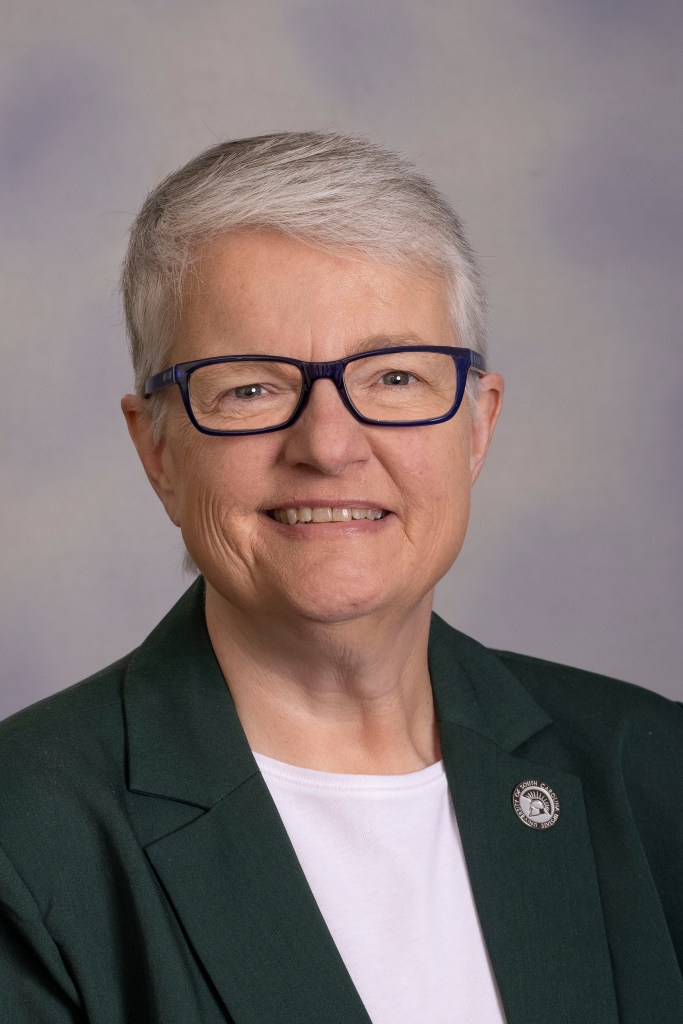
Warm regards, Dr. Ugena Whitlock Your “New” Professor








 The Front Porch Professor