

Nostalgia, Place, and Feeling Southern
In a recent essay, Evolving From Just Keep Swimming to The Front Porch Professor, I explored the journey of reimagining this blog to reflect my evolving focus on narrative storytelling. At its heart lies the front porch, a symbol that anchors my Southern identity and shapes the lens through which I write. This post builds on that foundation, unpacking the concepts of nostalgia, place, and Southern identity—terms that are complex and intertwined. Sitting on the front porch is an appropriate place from which to give them the careful exploration they deserve.
You may be asking, “Well, when are you going to start writing instead of just writing about your writing?” Good question. The process is a throwback to academic writing, where you have to describe your framework and method for presenting your ideas. In other words, I need to tell you how and why I’m going to tell you what I tell you. Then I can tell you. But you’ll be glad to know I’m about ready to start front porching.
Why The Front Porch Professor?
Claiming the title of professor in my blog name is about more than qualifications; it reflects a blend of storytelling, introspection, and intellectual curiosity. It signals that the reflections here are informed by years of observing and searching for meaning. The image of a professor on a front porch bridges the formality of academia and the warmth of casual conversation. I invite you into a space where lived experience meets thoughtful analysis, encouraging connections and deeper understanding.
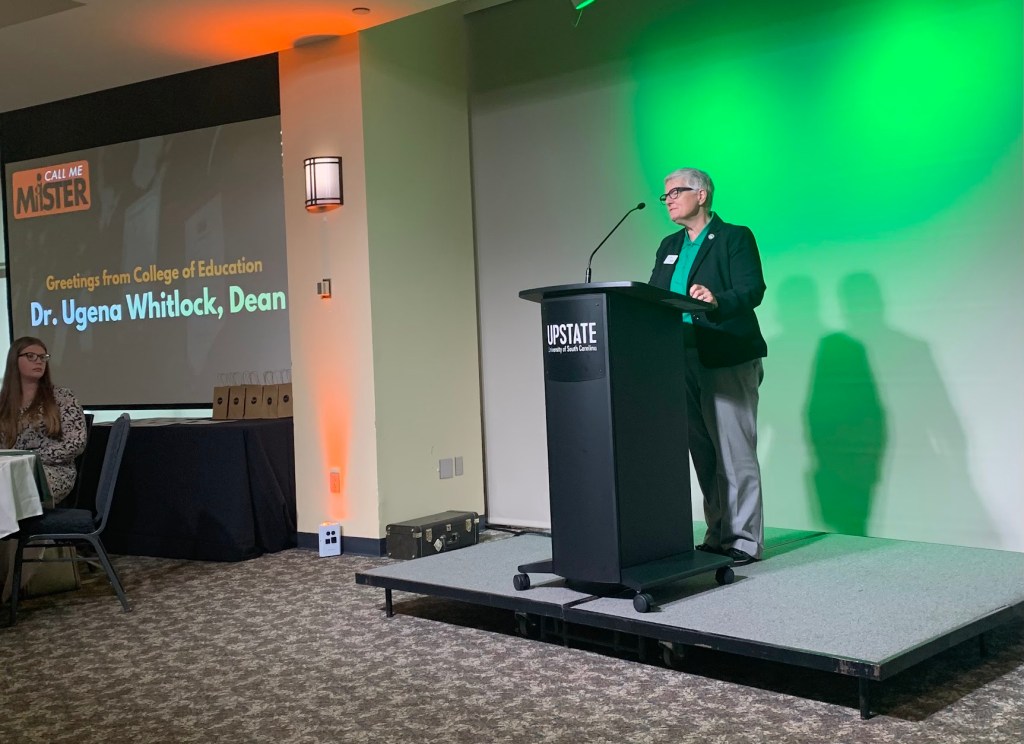
For me, the title is also a tribute. As a small-town girl from rural Alabama, raised by working-class parents, becoming a professor is a point of pride. It’s a testament to their sacrifices and the support of friends and loved ones. They are ever present in my writing, shaping the stories I tell and the perspectives I share. I am both proud of the accomplishment and humbled by the debt and responsibility I owe them.
Place and the Southern Perspective
When I write about place, I’m speaking to more than just geography. Place encompasses the physical environments where life unfolds. Place is the landscape on which contexts of culture, history, and society are painted. It’s where relationships, joys, disappointments, and lessons unfold. All this happens individually and collectively. Place is both a backdrop and a character in our stories, influencing who we are and how we navigate the world.

Being Southern, then, adds layers to this concept. The South is more than a region; it’s a complex web of traditions, histories, and cultural markers. To call oneself Southern is to grapple with the beauty and contradictions of the place. With the South’s ugliness. Can one be proud to be a Southerner, as I am? What does this mean? What am I proud of? And what about the parts of Southern “heritage” that I am not proud of? What is my relationship to those people who claim and celebrate the ignoble parts?
Writing From a Southern Perspective
“Being Southern” is as much a state of mind as it is a physical state. My Southern identity isn’t about celebrating a romanticized version of the South–you know, moonlight and magnolias. Instead, it’s a lens through which I explore themes of home, culture, and identity. The South, for me, is a place of deep connections, shaped by family, history, and the rhythms of everyday life. Southern identity is not monolithic—I don’t assume my identity is exactly like yours, just as your experiences may differ from mine. While we may share certain aspects, identity is deeply individual and uniquely shaped by personal experiences.

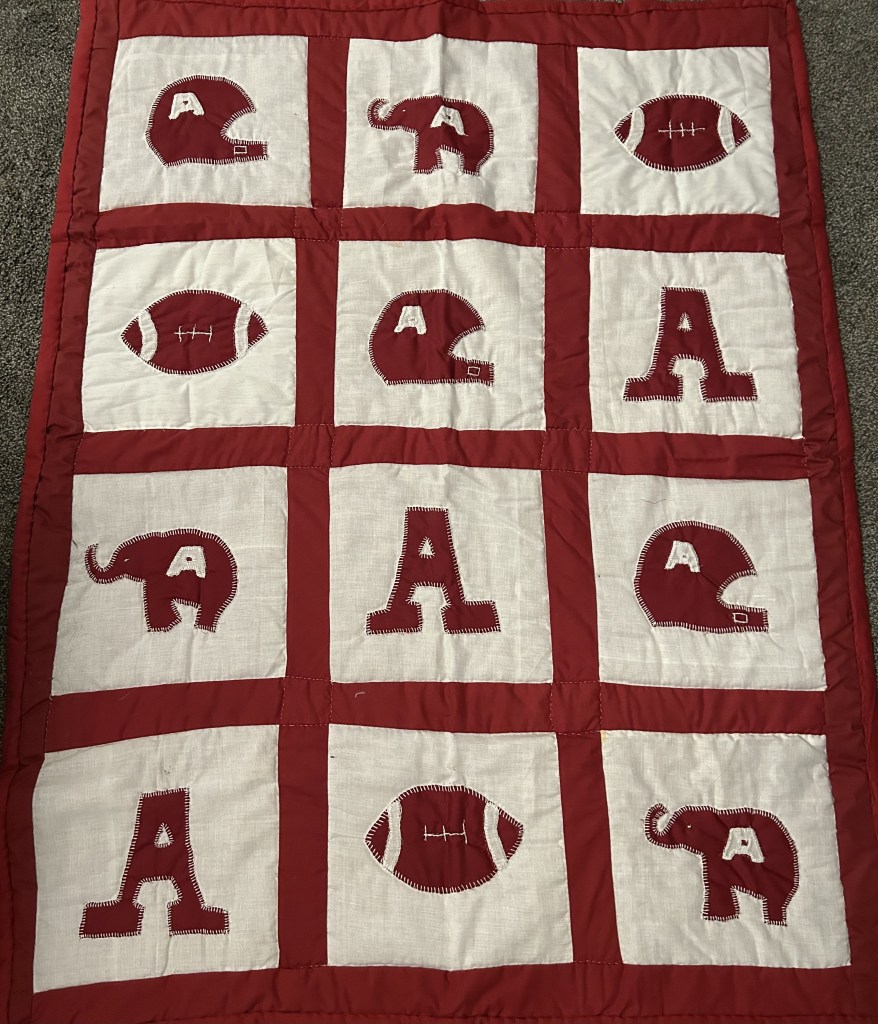
Family and home are central to this perspective, grounding my stories in the relationships and traditions that define Southern life for me. The culture of the place is a tapestry woven through the land, neighbors, communities, histories, food, churches, schools, music, and football. These often appear in my writing, not only offering insights into shared experiences but also helping us understand the world around us and highlighting the relevance of our observations. Yes, there are lessons to be got from SEC football. Roll Tide, y’all.
But writing from a Southern perspective also means wrestling with the region’s complexities. The South is as much about its tensions and contradictions as its traditions. It’s a place where politics, identity, and history converge, challenging us to confront difficult truths while celebrating what makes it unique. Without acknowledging the turmoil and inequalities of its past, any discussion of Southern life, identity, and culture feels inauthentic and incomplete—it’s a Southern writer’s malpractice. As someone who often says, “I love the South,” I can be trusted to both celebrate and critique it. Critique from someone who hasn’t lived it or can’t celebrate it is equally incomplete–and there are plenty of these critics around. This is my not so humble Southern opinion.
Nostalgia: A Lens for Understanding
Nostalgia, as I see it, is not about longing for a bygone era but about connecting the past with the present to find meaning that may inform the future. The word itself comes from the Greek words nostos, meaning “homecoming,” and algos, meaning “pain” or “longing.” It speaks to a deep yearning for the familiarity and comfort of home, even if that home is more an idea than a place. Some homes are not the kind we can long for; rather, we might long to be released from their memory. This etymology captures the duality of nostalgia: it brings remembrances of warmth and connection, yet it also reminds us of what is distant or lost. The dual nature of nostalgia vies for our attention, wrestles for focus, and fights for dominance—keeping many of us in therapy for years.
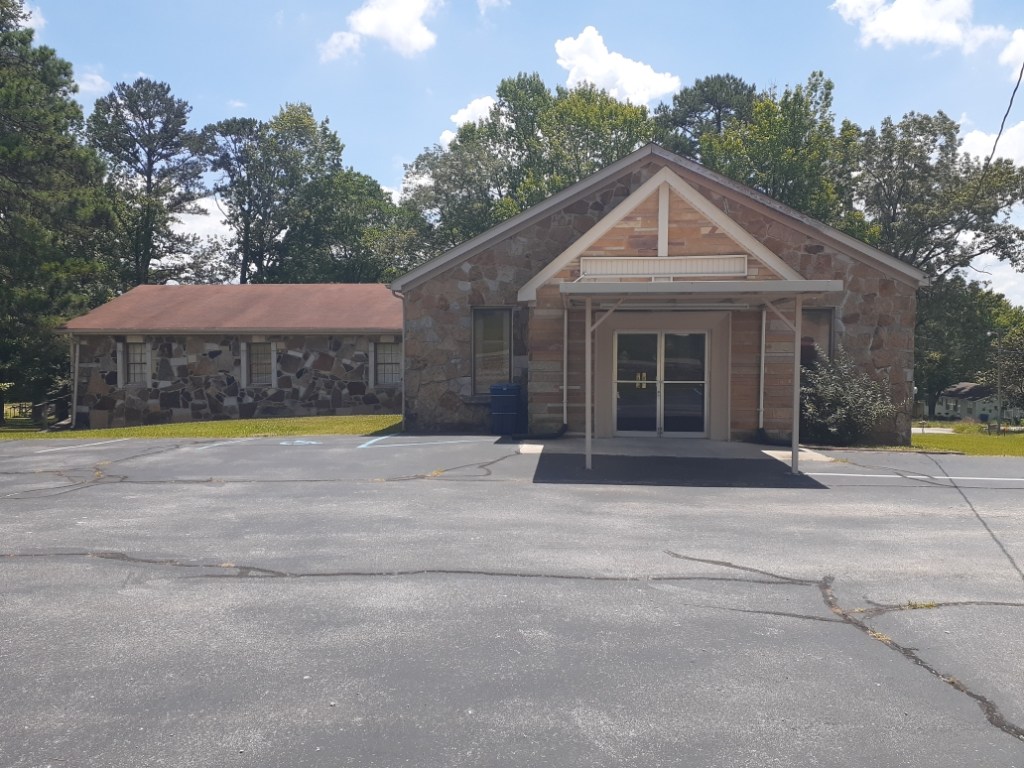
It’s a complex emotion, often blending warm memories with a bittersweet awareness of time’s passage. Far from being purely personal, nostalgia is often collective, rooted in shared experiences and cultural touchstones like family recipes, cherished traditions, or the familiar strains of an old song. In my writing, nostalgia becomes a guide for exploration. Stories about homeplace and family lead me to reflections of broader themes, such as the importance of community, civility, and the pace of modern life. Nostalgia isn’t a destination where we can remain lost in the preferred past; for me, it’s like wrapping myself in an old quilt, offering warmth as I navigate the here and now. You can’t linger too long, though, because living means stepping into the day with clarity and intention.
The Front Porch as a Space for Reflection and Stories
The front porch, in this context, is both a literal and metaphorical space—a place where complex ideas meet honest, accessible conversation. It’s where intellectual rigor mingles with the warmth of shared stories, and where connections are formed through curiosity and reflection. This is the balance I strive for: nostalgia not as an escape but as a framework for growing and learning.

The front porch is open to anyone willing to join the conversation, to explore what place, the South, and our shared histories mean in today’s world. And if you aren’t Southern, you might still have a good time and make connections, too. Together, we can find clarity, joy, and meaning in the stories we tell. I believe we have a responsibility to one another to make the world a better place–a place where we indeed have the liberty to pursue the happiness of a gratifying life. Taking care of our neighbors has never been as important as it is now. It feels like not only have we forgotten how, but we have forgotten that we ought to in the first place. That’s another reason front porches are important. I hope you will join me.




 The Front Porch Professor