I added a page to my Homepage to explain my thoughts and personal policy regarding Artificial Intelligence. Here it is as a post.
Within 20 years (perhaps 10, probably 5), this message will no longer be necessary. Within a generation, content producers and consumers will have figured out the ethics of using Artificial Intelligence to generate all kinds of content–from graphic designs, to music, to work documents for all professions, to classroom coursework, to, yes, blogs. We will have found the balance between using AI as a tool to enhance our work and relying on it to do the work for us. We will have figured out the survival–celebration, value–of artists, academics, and writers (human anythings) so that we will not have been replaced, which is a current concern. With a nod to Faulkner, I believe when it comes to AI, we will do more than survive. We will prevail, but we are not there yet.
My institution has three options regarding AI usage in the classroom that we faculty can incorporate into our syllabi–“Generative Artificial Intelligence Use Prohibited,” “Generative Artificial Intelligence Use Allowed with Attribution,” and “Generative Artificial Intelligence Use Encouraged with Attribution.” That pretty well captures the options for use in most settings. We can prohibit the use of AI, allow its use with care, and/or encourage its use. I would argue that the first option is not only unrealistic, but it would also put users at a disadvantage. Option 3 sounds to me like it could turn into a party–a free for all for beginners and professionals alike without boundaries and guardrails. Option 2 is a reasonable place to start, as it insists upon using the creative brain first and primarily, allowing us to form a relationship with AI–which we will do, one way or another, but that is another story–where it is the tool, not us. We humans must stay in the game, after all. (To the people reading this in 20 years–I know you are laughing and shaking your heads. Enjoy!)
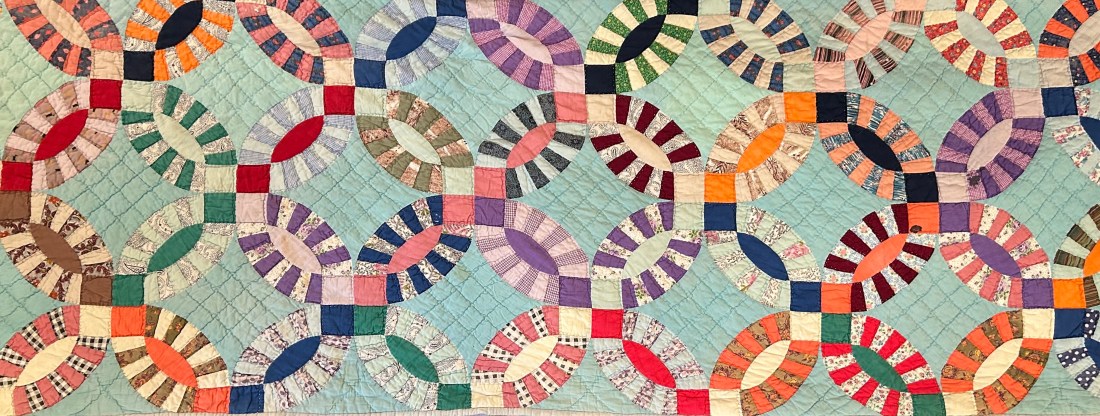
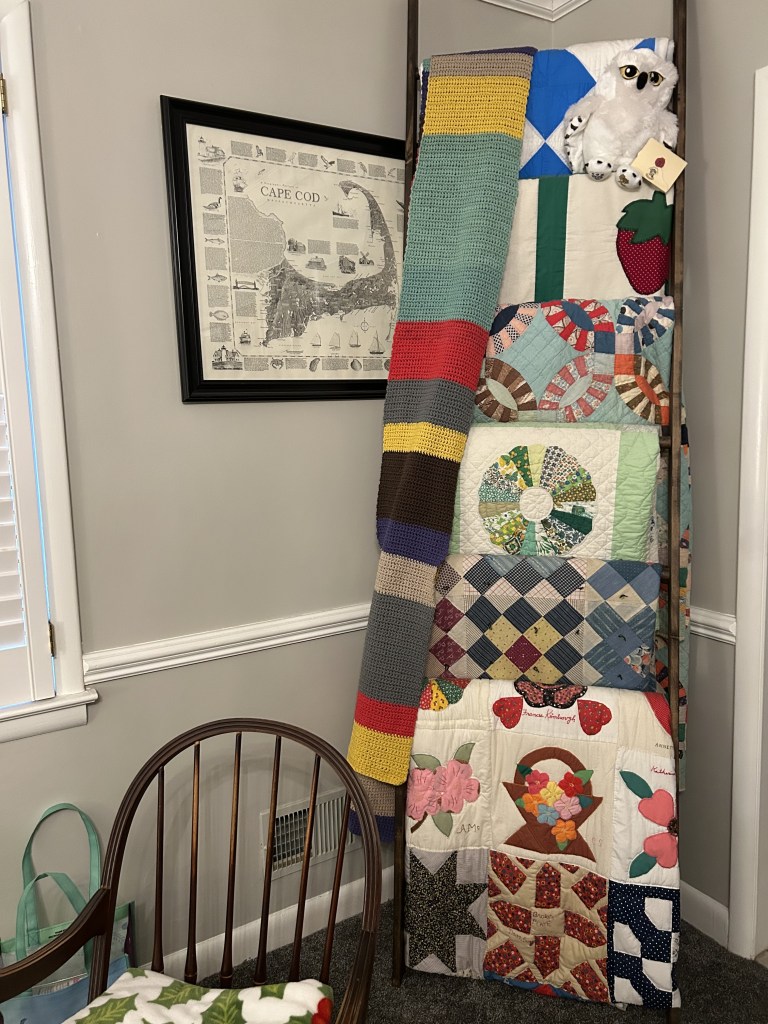
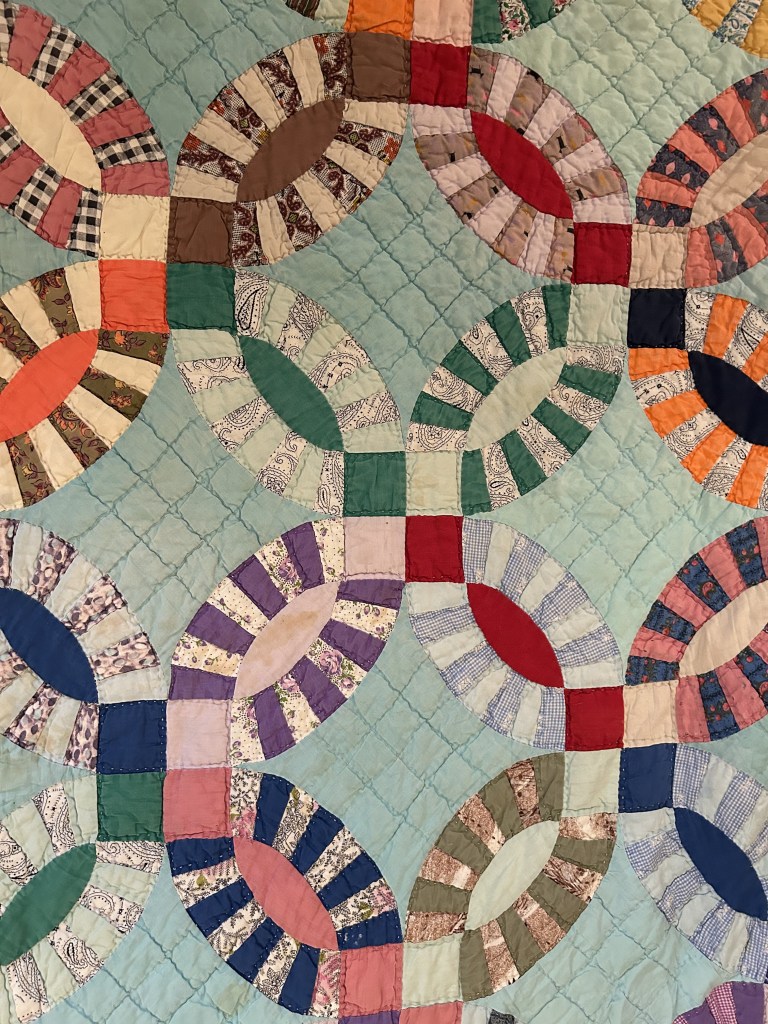
I think of AI like quilts. You can purchase pre-printed quilting material at Walmart or any fabric store. To make your quilt, you only have to put stuffing (called batting or wading) between the printed side and the backing, and outline the printed design with thread, and viola, a quilt. I have one or two of these that my sweet mother and aunt have given me. They are treasures, but they are nothing like the quilts they used to make before their hands got tired and bent from arthritis. Designs were intricate and colorful, made from generations old patterns. Some patterns were made with hundreds of small pieces of cloth, which were stitched painstakingly, creating a “double wedding band,” for example, on the colorful front and plain-cloth backing. These quilts are heirlooms, works of art that are lovingly protected and stored to preserve their beauty. The difference between AI generated content and human generated content is like the difference between the printed quilt and the pieced quilt.
A collection of family heirlooms! Quilt ladder displaying several hand pieced quilts.
But, you may ask, how is that a valid comparison, since AI content is sometimes indistinguishable, often superior to human generated content? The attributes of beauty, of quality—even, maybe especially, messiness and flaws—are the human elements. Our challenge is not to attempt to catch up to what AI can do–we can’t. Our challenge is what the poets have always sought to evoke in humanity. It reminds me of what Ashley Wilkes tried in vain to express to Scarlett O’Hara: “I do mind, very much, the loss of the beauty of the old life I loved. Scarlett, before the war, life was beautiful. There was a glamour to it, a perfection and a completeness and a symmetry to it like Grecian art.” Ashley, though, mourned for the lost grace and perfection (that never existed), and in so doing, sadly missed the point…and the opportunity. Human completeness and symmetry are not going anywhere; we just have to be intentional about keeping them—us—alive. Aliveness is the pearl that makes Artificial Intelligence artificial.
At the beginning of my classes, my students and I talk about the ethics of using AI for course assignments. We look at the University’s options, above, and I talk to them about Google’s standards for evaluating web content (Google will not publish just anything), the E-E-A-T Guidelines. E-E-A-T stands for expertise, experience, authoritativeness, and trust. Google holds content to this standard in part to screen content that is generated to “manipulate search rankings.” Google uses its automated ranking system to focus on “high-quality, reliable, people-first content” https://developers.google.com/search/docs/fundamentals/creating-helpful-content. I’m sure that me and my little blog and my academic writing were not what Google had in mind when it developed its regulatory content standards. My blog has 4 readers, one of whom is my sweet Mother, and the academic writing has even fewer. But just as AI reaches broadly toward various fields and modalities, so too must the ethics that guide its use.
I try to persuade my students that I would rather read work full of their own emotions, originality, and creativity than a perfectly crafted AI-generated response paper. I’m not naive—AI is too easy to use—so we talk a lot about treating it more as an editor than a creator. I encourage them to maintain and strengthen their sense of creator-ness while learning to use AI responsibly as a tool to enhance their ideas, not replace them. I want them to see themselves as authors of their own thoughts, capable of crafting their work like a beautiful, hand-pieced quilt, rather than relying on AI to assemble their ideas for them.
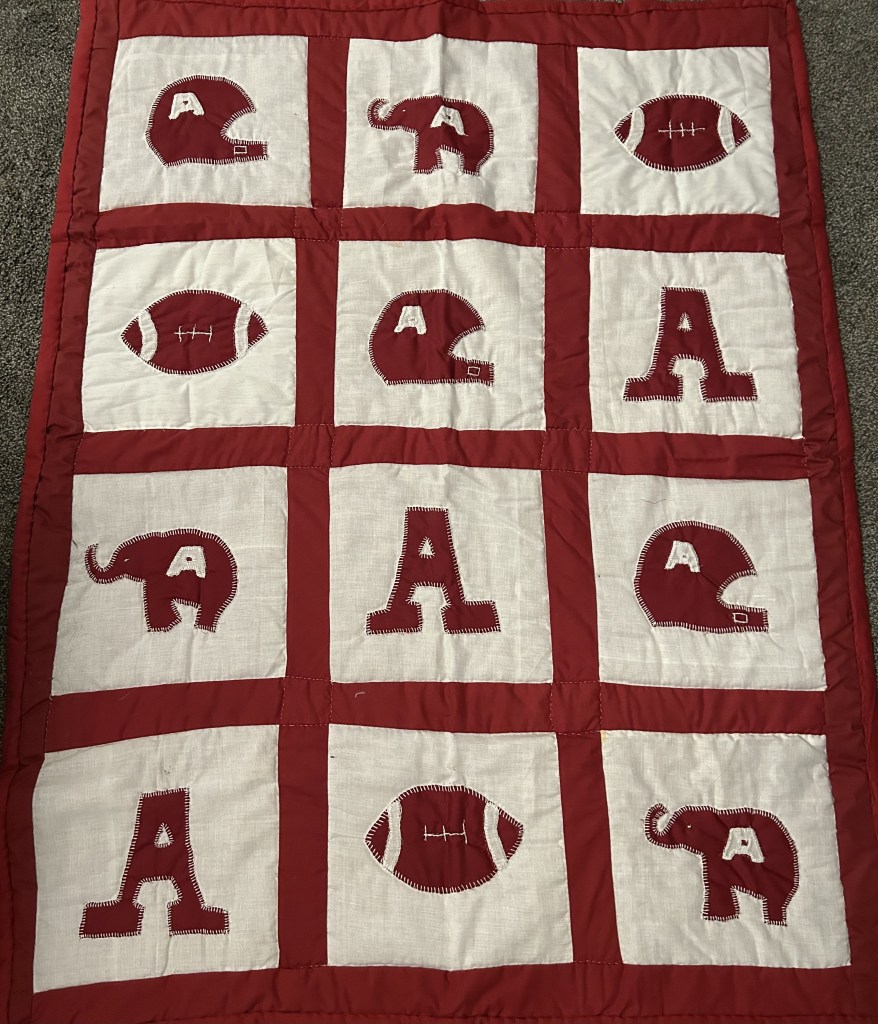
Lovingly made Alabama Quilt from my Mother
Some academics will prohibit the use of AI in their courses, focusing on catching students who use it. These are likely the same individuals who hold their peers to a higher standard when it comes to leveraging AI. Over time, these attitudes will adapt. For instance, I was encouraged to find that a Google search for ‘Scholars and academics who use AI’ yielded results emphasizing the responsible and ethical use of AI in research and writing. Just today, Tom’s Guide published an article, ’12 Days of OpenAI,’ reporting on OpenAI’s release of the new Pro More subscription, designed for advanced scientific research and complex mathematical problem-solving, at a cost of $200 per month. I’m old enough to remember when personal calculators were banned in math classrooms out of fear that students wouldn’t learn to calculate on their own. Eventually, we realized that without understanding the underlying concepts, a calculator wouldn’t help a student much. Similarly, while AI has historically struggled with math, it’s improving—and for $200 a month, you can see its progress. Advances like Pro More will inevitably become irresistible and indispensable for researchers. I suspect that as AI continues to evolve, the ethics of its use in academia will become increasingly situational.
For my blog and academic writing, I drafted a disclosure to include with my work. The following is the only AI-generated content in the post. ChatGPT spit this first one out in less than 10 seconds. It’s well-organized and pretty comprehensive, and with my found time I folded a load of laundry. Scroll to the bottom to see the human-created, much simpler finished product:
Personal Ethical Policy for AI Use in Writing
As a writer, I recognize the value of artificial intelligence as a tool to enhance creativity, efficiency, and quality in my work. To maintain integrity and uphold ethical standards, I commit to the following principles:
Transparency:
I will disclose the use of AI tools in the creation of any content where its contribution significantly impacts the final product, especially in professional, academic, or published works.
Originality:
I will ensure that the core ideas, voice, and creative expression in my writing remain my own. AI will serve as an aid, not a replacement, for my unique perspective and narrative.
Accuracy and Verification:
I will verify any AI-generated information, ideas, or suggestions to ensure factual accuracy, avoid misinformation, and maintain credibility in my writing.
Plagiarism Prevention:
I will not use AI to produce content that could be considered plagiarized or misrepresented as entirely original. Proper attribution will be given where AI outputs are directly used.
Mindful Usage:
I will use AI tools for appropriate tasks such as brainstorming, editing, and administrative writing assistance, while refraining from over-reliance that could diminish my skill development or creative input.
Respect for Context:
In collaborative projects, I will adhere to agreed-upon policies regarding AI use and respect any ethical or legal guidelines specific to the context of my work.
Commitment to Growth:
I will continuously evaluate the role of AI in my writing practice, striving to balance innovation with authenticity, and learning how to responsibly adapt to emerging technologies.
That’s way too much information, and notice how Chat GPT numbered each item in its own list #1, a fitting reminder that although AI organizes information with precision at light speed, creativity and meaning-making is and will continue to be a human enterprise.
AI went on to ask me: “Would you like adjustments to tailor this for a specific audience, such as professional peers, readers, or students?” I declined the offer, and here is my human version:
The work presented here is original to me. I have used AI tools such as ChatGPT sparingly and ethically for tasks such as identifying trending topics, proofreading, suggesting key words for search engine optimization. I have carefully reviewed AI-generated suggestions to ensure they align with my authentic voice and unique style, thereby preserving the creativity and integrity of the work and myself.
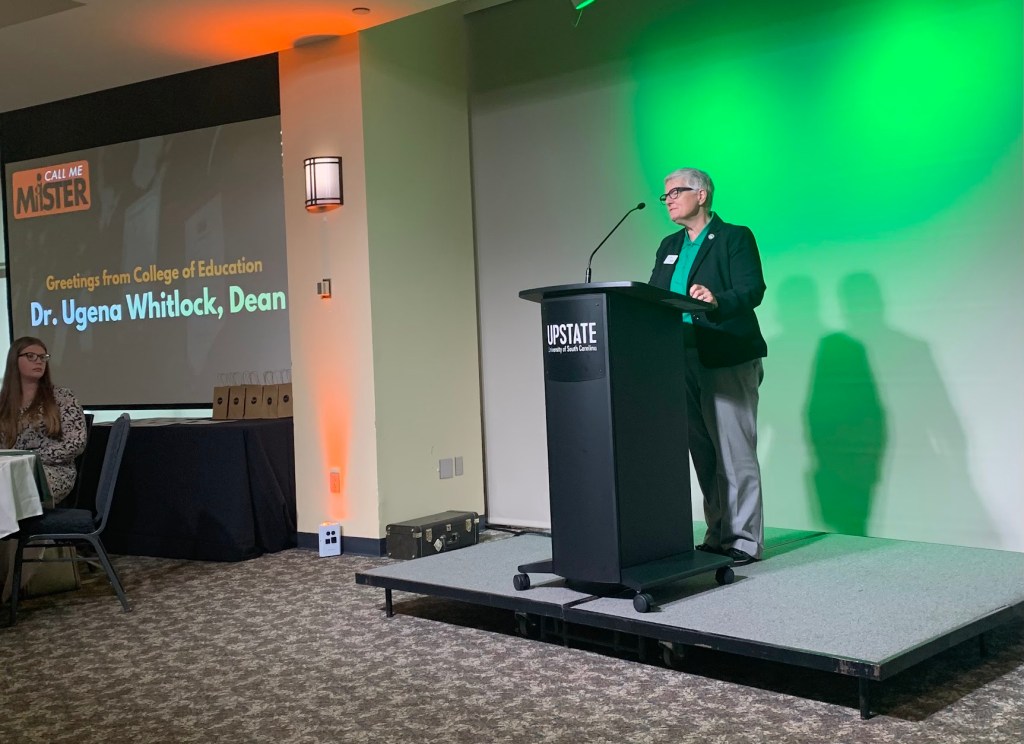
Welcome to the new semester and to our class! As your professor, I want you to know how excited I am to be back in the classroom after several years in administration. It’s been a while since I last taught a full course load—2007, to be exact. Since then, I taught an occasional class until stepping fully into administration in 2016. Now, here I am, rejoining the classroom and rediscovering the rewards of working with students like you.
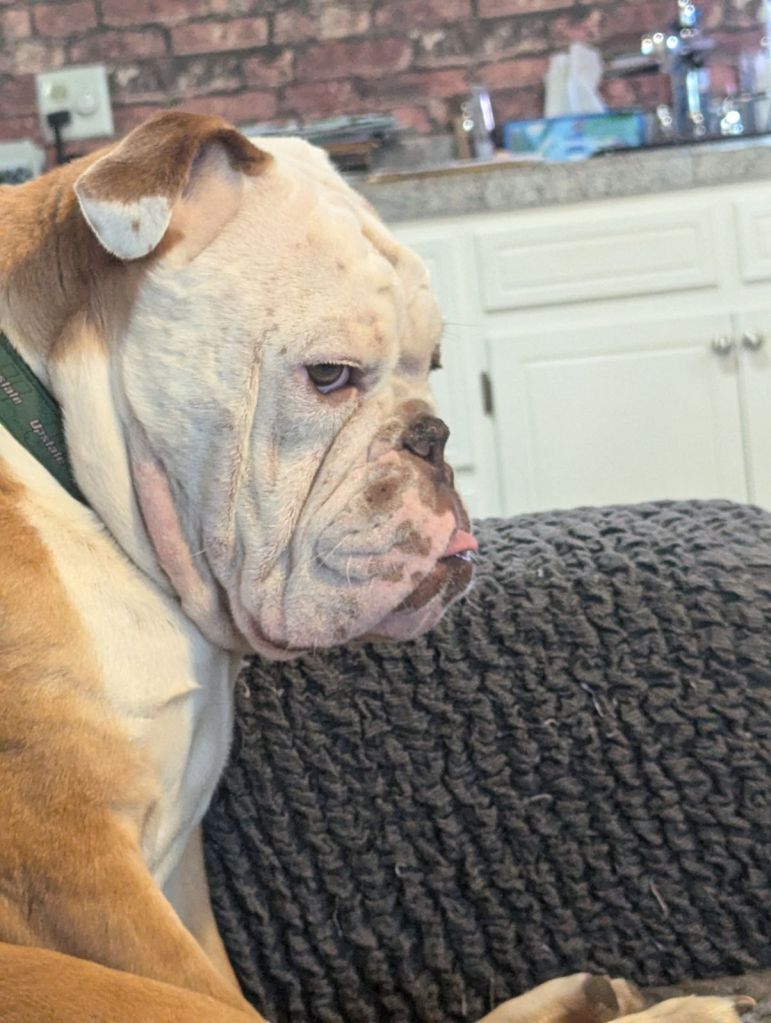
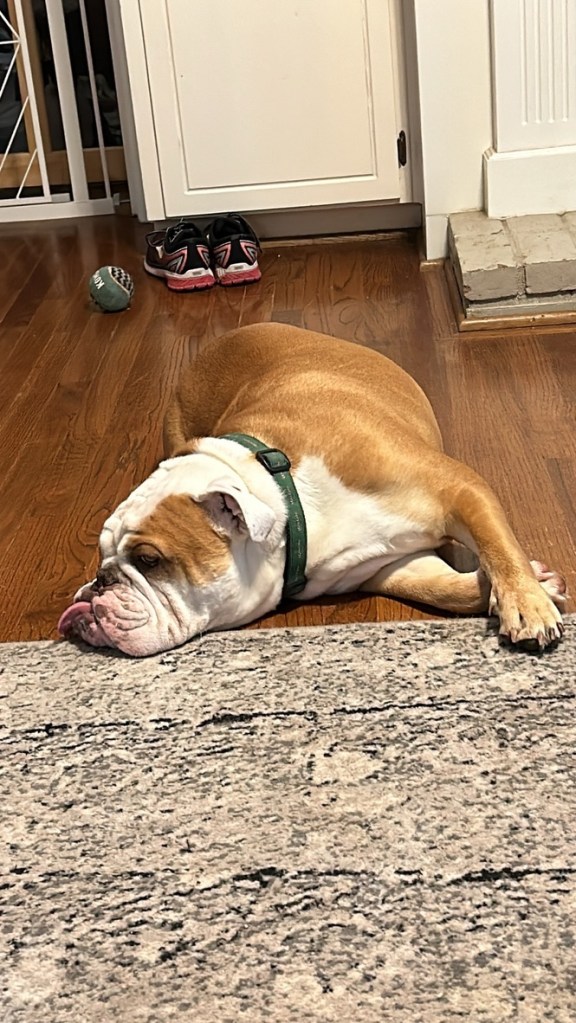
Bruno is ready for school
A lot has changed since I last taught full-time. We’ve experienced a global pandemic, witnessed national and global unrest, navigated four presidential elections, endured economic turbulence, and just generally undergone shifts in our society. Schools and classrooms have changed over the years, too. Teachers have left the field in significant numbers and fewer people are entering the profession. Those who stay report that their students have changed. Actually, we’ve all changed.
But amid all this change, some things remain constant—our innate human capacity for love and acceptance, and our nature as social creatures who need each other. We are curious about the world and about one another. We can laugh at ourselves. These are foundations that inspire me as a teacher, ones I hope will inspire you, too. Our humanness fills me with faith. I have faith in you and in the value of this class. We are going to explore some very interesting topics together, which I hope you will carry into your own classrooms. I hope you will also pass on to your students the faith, hope, and inspiration that I hold for you.
Bruno contemplating beginning of semester
I’ll be honest with you: I feel a mix of anticipation and vulnerability as I return to the classroom. I want to create a dynamic, engaging space that feels welcoming and worthwhile for each of you. Even though it’s been a while since I’ve facilitated learning experiences for students–either online or in person–I see it as a challenge worth embracing. Why? I still believe in the power of education to make a difference—not just for your students but for you, too. I believe that we can change the world one student at a time.
Our time together will be about more than standards, objectives, and theory (though we’ll cover plenty of that stuff). It will be about understanding ourselves as educators, examining the world through a critical yet hopeful lens, and preparing for the deeply human work of teaching. I have great hope that you will find this class meaningful and empowering as you move closer to realizing your dreams—both personally and professionally.
Let’s begin our journey with curiosity, openness, and mutual respect. I’m here to support you every step of the way.
Warm regards, Dr. Ugena Whitlock Your “New” Professor
After fourteen years maintaining my blog Just Keep Swimming, I decided it was time for a change. When I started blogging those years ago, blogs, shorthand for “weblogs,” (remember that?) were fairly new, and I was deep into building a career by writing articles for academic journals. I knew that autobiographical narrative Curriculum Theory (my professional writing) would not be a lucrative venture. It wouldn’t earn money or attract thousands of readers. I determined that I would use the blog as a journal. I wrote personal essays in memoir style that might later be crafted into journal articles–a sort of pre-writing holding station. I also told myself that my blog was really only for me. I thought this would lessen my disappointment at having no readers. That part was sad because I really wanted somebody to read what I was writing.
Logo for Just Keep Swimming Blog
So, the blog was a patchwork of ideas and topics with loose themes and frameworks pulling them together. Not surprisingly, then, I had difficulty giving it a name. Sarah helped. The more I obsessed over finding just the right name for a blog nobody would read, the more I secretly hoped someone would. The more I obsessed, the more she tried to help me get centered. She tried to help me find some resilience somewhere. “Just keep swimming,” she said, as much a suggestion for my state of mind as for the blog title. It fit. For almost a decade, I have worked on justkeepswimming.life–mostly sporadically. During those same ten years, my career evolved from faculty member to department chair to college dean. As a small-town girl from Littleville, Alabama, I wanted to see just how far I could go. I told myself I didn’t have the time to write regularly. I did well to just keep swimming.
This Spring I will once again be a faculty member in the college, without an administrative role of any kind. I’ve been thinking about this change a lot, and I reckon it will be a good move. I am looking forward to teaching again. I am also eager to have some autonomy over my time. Faculty generally work more than 40 hours per week, but oftentimes, when and where we work is up to us. This kind of flexibility will take away an important excuse for not posting regularly—that’s the goal. Updating the blog’s purpose and branding reflects the updates going on in my life. What is my new identity–who am I now that my decades-long professional identity has changed? What kind writing do I want to do, and what will I write about? What do I, as one white Southern professor with blue collar roots, have to say?
Heading Out To the Front Porch
I reflected on what I wanted the blog to be. I asked myself why I started blogging. It isn’t to have a journal to springboard into professional papers. Nor do I write to make money or achieve celebrity status as a blogger. I write blog posts because it brings me joyful engagement. This engagement gives me purpose. It also provides an immediate connection to you, and you to me. And somewhere among the joy, purpose, and connection, there is also the urgency of needing to tell.
In her book, Why I Write, Joan Didion wrote, “I write entirely to find out what I’m thinking, what I’m looking at, what I see and what it means. What I want and what I fear” (“Why I Write.” The White Album, Farrar, Straus and Giroux, 1979, pp. 192–194.). Her quote has been shortened over the years to “I never know what I think until I read what I write,” which is unfortunate since it leaves out the part about what one wants and fears. When I write I am participating in the world around me and putting meaning on what I see and experience. And yes, desire and fear are part of it, just like they are ever-present in one’s consciousness. What anything means to me won’t be what it means to you, for you are participating from your consciousness, your home place. And that’s what I’d like to evoke with my stories–for both me and you.
New Logo for The Front Porch Professor that includes a rocking chair, antique typewriter, and Mazda Miata.
In essence, then, I am re-claiming my identity as a writer. Who am I? I value education, so I got a PhD and became a professor. I am a Southerner to my soul, and my perspectives for writing are shaped–and shape–that identity. I write about the South, my particular anchor of homeplace. Homeplace is a treasured concept for me, one that encompasses family, food, religion, politics, music, sexuality, culture–it is the landscape on which my life has been written. I view the landscape through a lens–a veil, as I like to think of it–of nostalgia. As I write, I hold the present up, looking backwards to the past—my recollection and understanding of it—with a questioning eye toward the future. To symbolize the space from which I can observe and cast a critical eye on Southern place, I chose the front porch.
A front porch is more than just a place—it’s a state of mind. It’s where stories are told, where folks sit and hang around together. It’s a place where the world slows down just enough to reflect on what truly matters to me. With The Front Porch Professor, my goal is to bring the warmth and depth of this space into the stories I share. I work through the tensions between issues that matter to readers today. I also offer honest, insider critiques of the South. Sound idyllic? It can be, but just like the South, the front porch can also be a troubled and complicated place where anguish, heartbreak, disappointment, and violence take place. Every few days, I have to sweep the porch to clear dust and cobwebs to make sure it is an inviting place for myself and others.
Who Should Read It?
The intended audience for The Front Porch Professor are folks who appreciate stories that resonate on both a personal and universal level, blending the warmth of lived experience with the relevance of today’s challenges. My readers might be older adults, reflecting on their own life journeys and drawn to narratives that echo their experiences. They might be educators or seekers who appreciate the intersection of storytelling with deeper ideas about culture, family, and identity.
This blog also speaks to those who find meaning in the everyday—the simple joys of a shared meal, the comfort of homeplace, or the peace found while sitting in the shade in a back yard. I believe there is also value for people who can’t recollect joy from their homes. There may be appeal here for them as well. Home for some–if it means anything at all–are places of atrocities, hurt, and darkness. Home may be a place of utter ambivalence. If this is you, then I invite you, too. In this blog, I look for the mysteries to be found in simplifying the complex and complicating the simple.
Why Does It Matter?
Our world is a noisy place, and it feels to me like we are distracted by it–not just distracted but affected in other ways. Noisy politics, for example, has polarized some of us to the point of violence. It has also created animosity with friends and family. We seem to have lost focus on the things that matter, which is always others. I hope my stories can balance out some of the clutter. I hope that together we can pause and look for grounding–the kind that I find from recollecting and observing what happens around me and to me.
Alternate Logo for The Front Porch Professor that includes ukelele and typewriter with no Miata.
Maybe you, like me, want to have a deeper engagement with life around us and with others in it. Maybe you, like me, want to nourish a homeplace of the heart, our own personal touchstone where inward reflection points us out-ward toward purpose. A safe and joyful place of our making–whatever that might look like for you–where we contemplate how our own sense of belonging connects us to others. I hope The Front Porch Professor is engaging and entertaining; still, I do not consider life merely to entertain. As you read, I invite you to actively participate with me as we pause, surmise, and make meaning. Don’t just read. Come along with me on our shared journey.
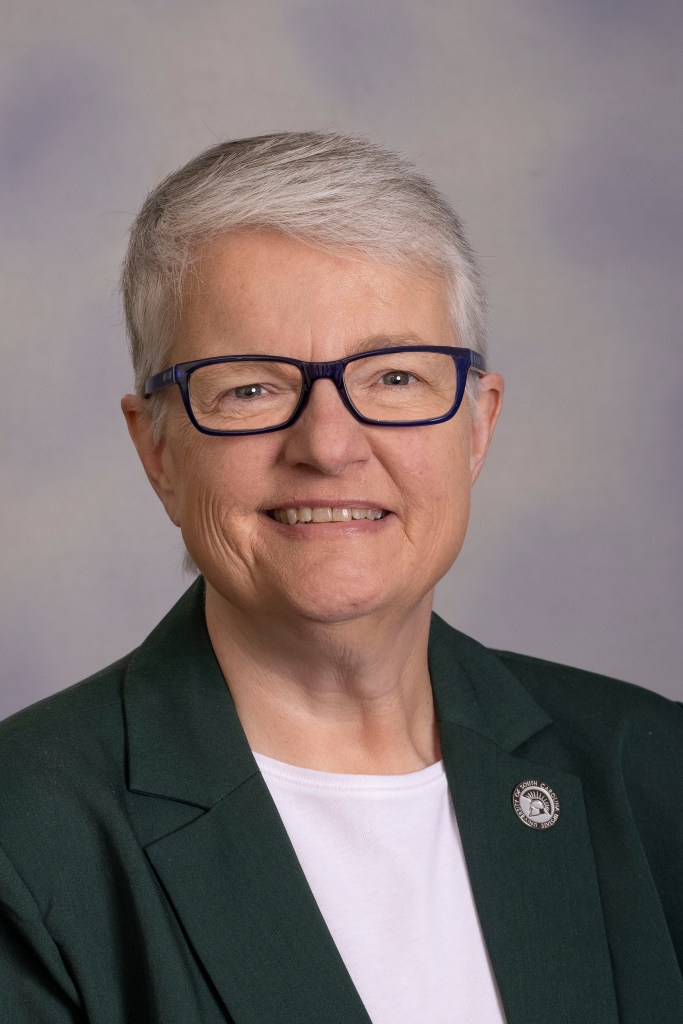
Introducing Dr. Ugena Whitlock, The Front Porch Professor!
I got stuck while writing this post. I knew I wanted to write about being grateful for my life and everything and everybody in it. I knew I wanted to frame it around having gratitude when those blessings might be blurred by shiny objects, such as ambition and wanderlust. I had most of it completed, but I couldn’t decided how to wrap it up without it having a rosy, yet empty, ending. Not too much as seen from the front porch is rosy; there are cobwebs and dust on my front porch. Then I took a walk on a frosty December night and the ending found me.
Does this ever happen to you? You come up with a brilliant idea—something you think is groundbreaking—only to find someone else has already beaten you to it. I suspect it happens to most writers. A blog idea I thought would be perfect was already taken. I began exploring memoir writing, only to discover someone else has already captured the same experiences with the same folksy charm! I have thought of an ideas for a book, and as I begin doing research for it, there it is–already published by somebody else! Even academic journal articles I’ve envisioned writing often already exist, in forms eerily close to what I had in mind. And every time it happens, it stings. These aren’t rare occurrences—they’ve happened more than just once or twice in my life. Here’s one that happened today: A very fine post by Jim Wallis called “Singing the Lord’s Song in a Strange Land” discusses thoughts I’ve had as an Armchair Quarterback for years—even before the election. It’s title even sounds like something I would have thought of. It’s beautiful. You should read it. Dang it. Singing the Lord’s Song in a Strange Land.
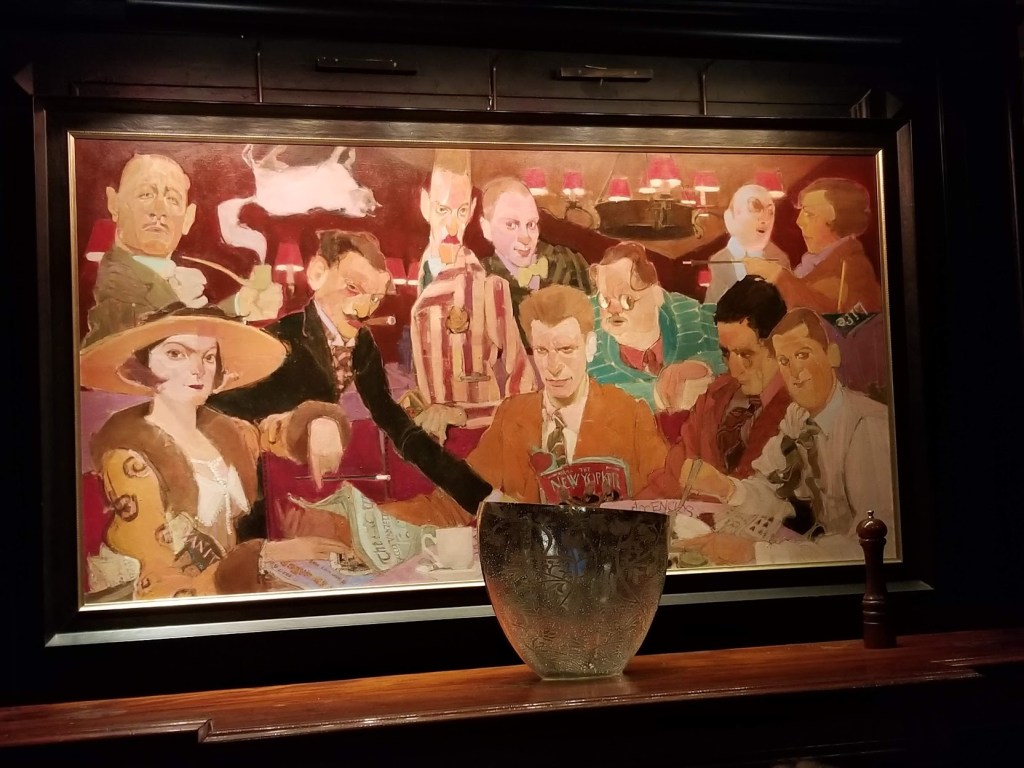
The Round Table at the Algonquin Hotel
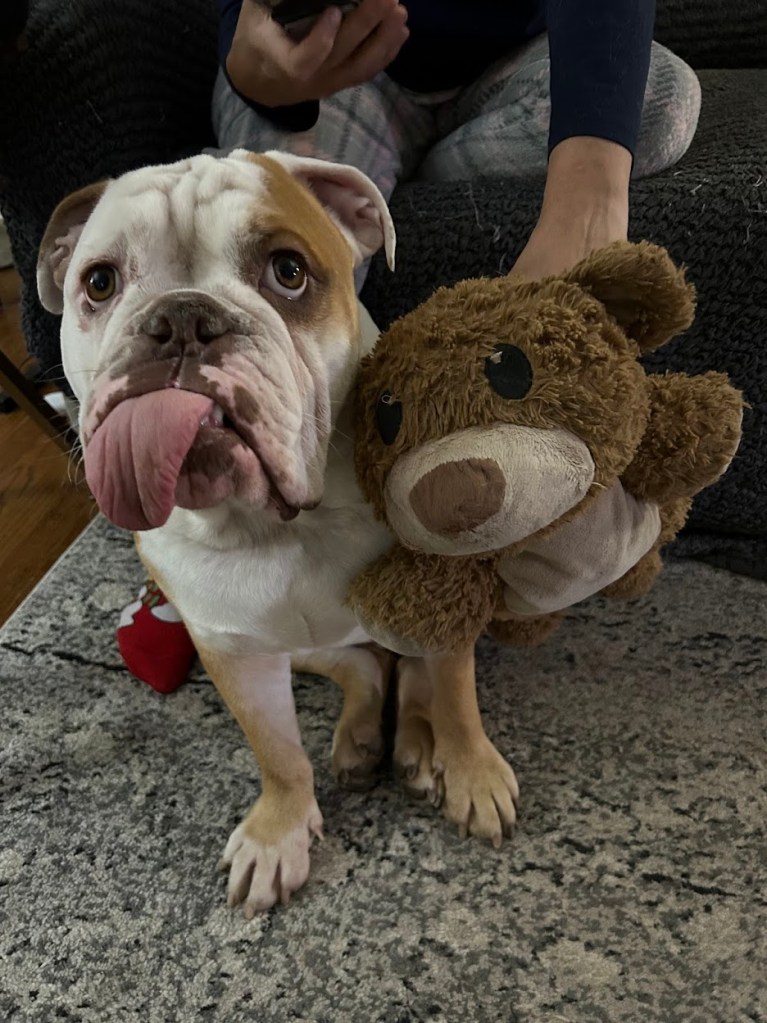
And then there’s the yearning. I can’t deny feeling a twinge of envy when I see friends and colleagues celebrating their achievements on Facebook. It’s a humbling reminder of my own aspirations and the work I still want to accomplish. A dear friend recently mentioned seeing several plays on a trip to New York City. She misses New York very deeply, and I’m happy that she makes regular visits; it does her soul good. Now, I’ve been fortunate to see my share of Broadway musicals—I even saw Bette Midler in Hello, Dolly!—an experience I still count as one of the best of my life. But life changes, as it always does, and I don’t have those same opportunities now. Sarah prefers camping with the dogs, and while I finally convinced her to upgrade tent to a pop-up camper, our adventures now involve hoisting Bruno the Bulldog up the steps to his bed.
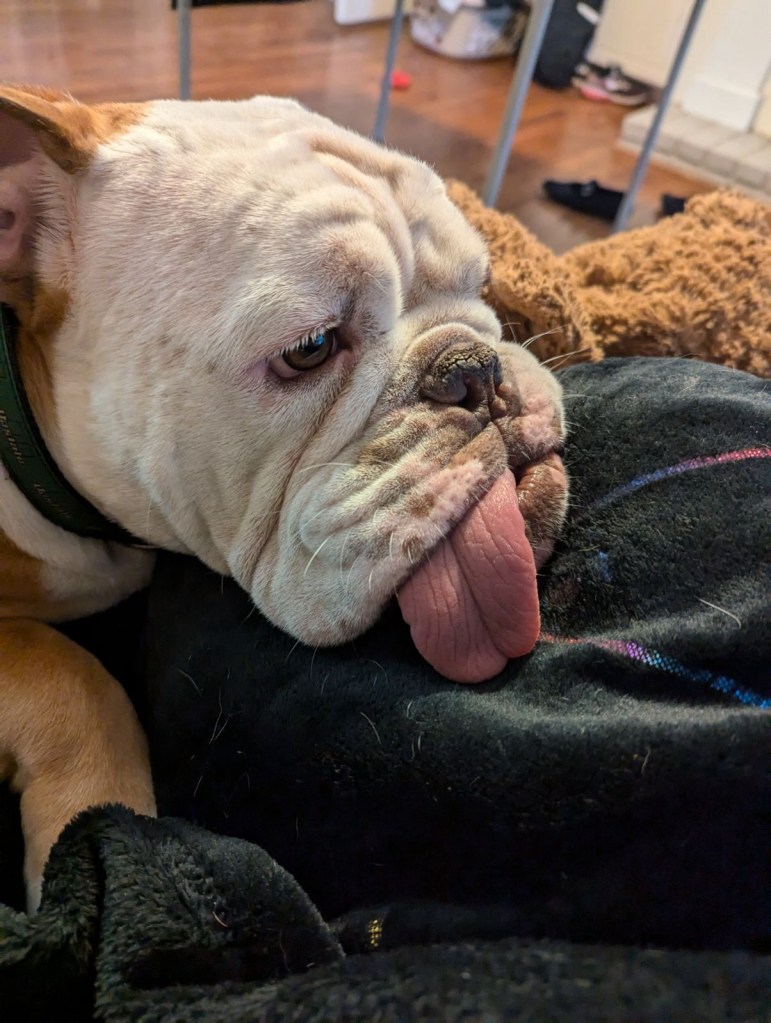
Bruno and Snugs Baby
I don’t want to be a globetrotter, and I don’t long for the lifestyle of the rich and famous. I admit, though, when I’m out in the woods at midnight with a flashlight, waiting for Bruno to finish his business, it can feel like a bit of a step down from the lights on Broadway. Travel, especially to historically rich locales, thrills me. I relish every minute of it. I soak up the salty air and sea breezes of beaches from New England to Miami. And yes, theater makes me breathless. Euphoria has its place, and I appreciate it when I have it.
But adventures are the in-between spaces. The wholeness of life, for me, is found in simple joys. The whole fabric of life takes place in Spartanburg, feeding the dogs and cats—and in Alabama at my childhood homeplace. Whether tending to dogs and cats or listening to the stories my mother tells about pictures and treasures we sort through-both of us aware of time pressing down upon us—these are the things I am fiercely grateful for.
I think back to how I grew up, a child of hardworking people in Alabama. My parents taught me to be proud of where I came from, to appreciate the simple joys of home and family. They have always begun and ended every prayer by giving thanks to God. Even now, my heart remains etched with gratitude that I learned from them. I look around and see a life I love—a cozy old house in a picturesque neighborhood, my quirky cars in the driveway, my family within a few hours’ drive, and my pets curled up with Sarah and me on the couch. I’m comfortable in my own skin, grateful for work that fulfills me, and thankful for the profound blessing of having stability in my life. I’m blessed not to face food or housing insecurity, unlike so many others on this earth. I do a quick check and confirm that the reason I blog in the first place is to find joy and fulfillment–which I do.
Here’s the thing I’ve noticed: life is full of moments like these. No matter what you achieve or experience, there will always be someone smarter, more accomplished, more traveled, or more adventurous. It’s easy to let envy creep in or to feel like I’ve missed out. But at this stage in my life, I’ve learned to lean into a different perspective: gratitude, anyway. Choosing gratitude is a practice, and I have to practice it. Being grateful is as simple as the adage: It’s not having what you want but wanting what you have. I didn’t say it was an easy practice.
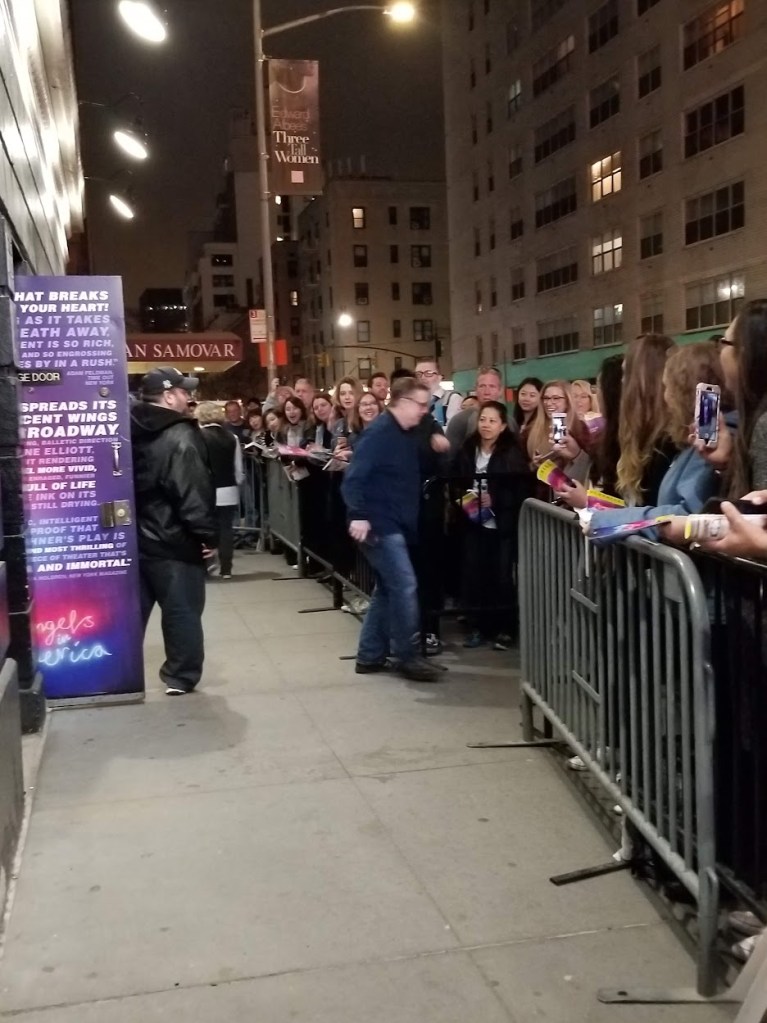
Nathan Lane Leaving Theater After Angels in America
Yes, I would really like an occasional New York weekend getaway. I’d love to see my name on the cover of a groundbreaking book or a memoir about a girl from a working-class family in the South–kind of like “The View from Rural Missouri by Jess Piper, which is a terrific collection by a Renaissance Woman from Missouri, at https://jesspiper.substack.com/. Dang it. But I also find happiness in where I am, not just in those imagined greener pastures. There’s a profound joy and relief in realizing that life isn’t a race or competition. I take satisfaction in setting my own goals and working toward them at my own pace—leaving room for reflection and leisure along the way. I will get where I get when I get there. I wonder why it has taken me so long to be at peace with this. I am grateful that I am.
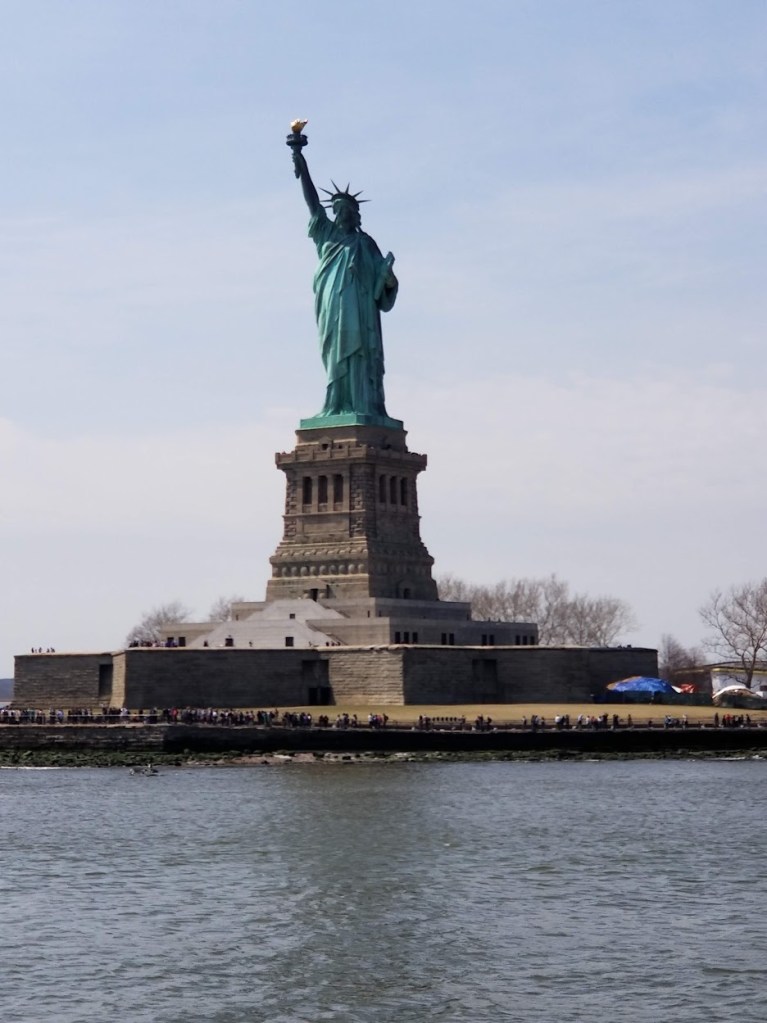
Statue of Liberty
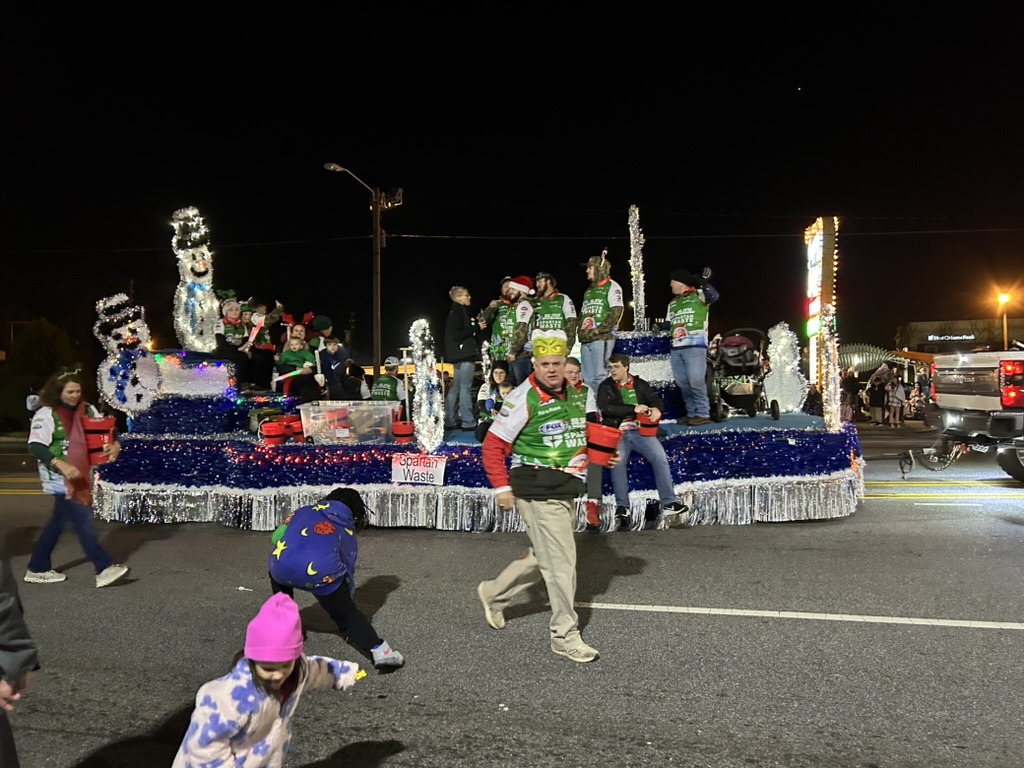
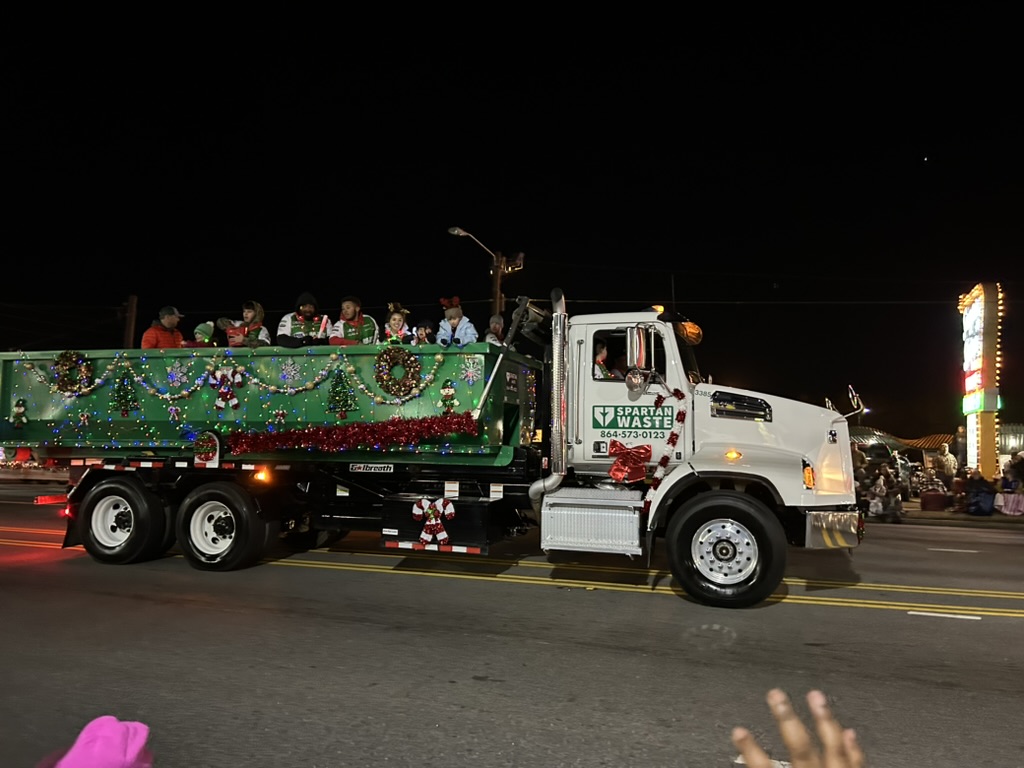
Here is where I had trouble sticking the ending. So I set it aside and went to the Spartanburg Christmas Parade. We live in a neighborhood that looks like Bedford Falls in It’s A Wonderful Life, and we can walk the two blocks to the parade route. We walked arm-in-arm to Main Street, got hot chocolate, and found a spot among the crowd to watch the parade. If you’ve ever been to a hometown Christmas parade, you know exactly what it was like. There were fire engines driven by Grinches, lights strung from cars and trucks and tractors, local beauty queens wearing Santa hats instead of tiaras, and marching bands. Oh, the marching bands. One of my most wonderful experiences was marching in my high school band. Memories of it fill me with happiness and exhilaration. As soon as I heard the drum cadence marking the band’s approach, I felt that feeling again. Then they began to play. It was at that moment the meaning of what I had been trying to capture in my writing became physically real to me. I began to cry as they marched by, joyful in the present and in jubilant memories. This, I knew, was gratitude.
Spartanburg Christmas Parade Float
While I’ve been struggling with disappointment at the parade passing me by, I just needed the reminder that parades don’t pass a person by—we experience them, marching right alongside. So, I’ll keep dreaming and working toward new goals, and I’ll keep finding happiness right here, in this moment. Gratitude, I understand, is not to be approached as “anyway.” Gratitude is an attitude–a mindset of unwavering, ongoing appreciation, regardless of the circumstance. Although I won’t always be successful, and although some days will be easier than others, I choose Gratitude, always.
Spartanburg School for the Deaf and Blind Bus in Spartanburg Christmas Parade
First, let’s talk about the latest news around the drugs themselves. In a recent article in The Atlantic titled “Ozempic Killed Diet and Exercise,” Daniel Engber refutes the long-held premise that weight loss is simply a matter of eating less and moving more. Engber speaks with Dr. Tom Wadden, an obesity expert at the University of Pennsylvania, who argues that diet and exercise should remain the standard therapy for people with moderate obesity. However, for those with significant weight to lose (BMIs over 35), he concedes, “I don’t think lifestyle modification is any longer the cornerstone of obesity treatment.” To which—and I think I speak for many of us who have struggled with obesity and tried to lose weight—I respectfully say, duh. https://www.theatlantic.com/health/archive/2024/12/diet-exercise-ozempic/680909/
The Rise of GLP-1 Medications
What has worked are GLP-1 receptor agonist medications, such as Trulicity, Mounjaro and Zepbound, manufactured by Eli Lily; and Ozempic and Wegovy, manufactured by Novo Nordisk. (Based on how they work, Ozempic and Wegovy are classified as semaglutides; Mounjaro and Zepbound are tirzepatides, and Trulicity is a dulaglutide.) While each medication has been proven effective to varying degrees, paying full price for them can be prohibitively expensive. Generic versions are available online at significantly lower costs, but these often come in vials rather than injection pens, requiring users to administer shots with syringes.
Self-injection of Compounded GLP-1
Today, Eli Lilly announced a partnership with the direct-to-consumer service Ro to provide more affordable vials of Zepbound. This move is likely a response to competition from compounding pharmacies, which sell vials at around 70% less than the full price of Zepbound. Compounding pharmacies can do this because they mix the medications themselves rather than just sell mass-produced drugs ordered from companies like Eli Lily–like conventional pharmacies do. A one-month vial of Semaglutide costs $249 through compound pharmacies, compared to $600 or more for brand-name versions. https://www.cnbc.com/2024/12/11/ro-to-offer-weight-loss-drug-zepbound-vials-by-working-with-eli-lilly.html
The Shortage and Big Pharma’s Response: The Plot Thickens
Over the last two years, Eli Lilly and its main competitor Novo Nordisk have struggled to keep up with the skyrocketing demand for GLP-1 drugs. Once word got out about their effectiveness for weight loss, everyone with pounds to shed wanted in. Public figures like Elon Musk famously used Wegovy, and the internet exploded with people scrambling to fill prescriptions. Without insurance coverage, the full price of Zepbound is around $1,200 per month. Using Lily’s discount card, I paid $600 per month. In case you are wondering, it was worth every penny.
Then I discovered OrderlyMeds, which works with compounding pharmacies to offer generic vials of the meds for a fraction of the price. Get ready for this: a one-month vial of Semaglutide is $249; Zepbound is $350. 70% cheaper than full price. There’s a catch: The FDA will only allow compounding pharmacies to manufacture during drug shortages.
Suddenly–shock–Lily and Novo Nordisk declared the shortage over! Citing issues of safety and principle, they petitioned the FDA to order compounding to stop. But as University of California law professor Robin Feldman quipped in an NPR report, “When someone tells you, ‘it’s not the money, it’s the principles,’ [it’s] the money.” Shocking. Ro to offer lower-price vials of weight loss drug Zepbound by teaming up with Eli Lilly.
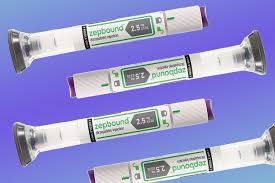
Vials of Zepbound
What Comes Next?
The FDA has allowed compounding pharmacies to continue production while reviewing the shortage designation. However, most experts anticipate that compounding will soon be prohibited. This leaves patients with four options, as I see it:
1. Hope for Insurance Coverage: Many insurers only cover GLP-1 medications for Type II diabetes, but not for obesity treatment. My insurance through the State of South Carolina will not cover any kind of bariatric treatment (surgery or GLP-1 drugs). Instead, they provide diet and exercise lifestyle coaches to promote the diet and exercise option. See above–it still doesn’t work.
2. Pay Full Price: $1,200 is higher than most mortgages.
3. Use Discount Cards from the Manufacturer: Lilly’s 50% off coupon lowers costs to around $600 per month. These cards have expiration dates and can be discontinued at any time.
The pharmaceutical giants’ resistance to compounding reveals their priorities. In 2023, Eli Lilly and Novo Nordisk each reported revenues of over $34 billion. I understand profit margins, but c’mon—let’s think about affordability and access here.
Adding insult to injury, the upcoming administration’s appointment of Robert F. Kennedy Jr. as Secretary of Health and Human Services raises further concerns. Kennedy’s dismissive stance on GLP-1 medications—advocating instead for “three meals of good food for every man, woman, and child”—shows a lack of understanding about the challenges of obesity. Again, please see above: diet and exercise do not work.
For those of us who have lived with this struggle, the idea that better food alone can solve obesity not only feels both naive and dismissive, it makes me mad! If I could regulate three healthy meals a day, I wouldn’t have spent most of my adult life clinically obese. But, said Dr. Jody Dushay, an assistant professor of medicine at Harvard Medical School and an attending physician in endocrinology at Beth Israel Deaconess Medical Center, declared to CNN, “It is wrong to assume that people with high body weight and BMI just sit around and eat low-quality food.”
My Weakness: Little Debbie Christmas Tree Cakes
To be honest, I have eaten my share of high caloric junk food. Over the last 50 years (I was overweight by the time I was in 3rd grade),I have also tried Weight Watchers, Nutri System, Slim Fast, Alli (with gross results,IYKYK), low-carb diets, Keto, and old-fashioned calorie counting. That doesn’t include going with my mom to the Elaine Powers Studio when I was 10 years old (remember the old belt machines that were supposed to melt the fat away?). The only other time in my life, before GLP-1, that I lost a significant amount of weight, 40 pounds before plateauing, was when I counted Weight Watcher “points” and walked 30-minutes every day. When I stopped, all the weight came back plus more. This is life for millions of people like me. “Serves you right,” you may be saying, “for stopping your healthy lifestyle!” Blaming folks like me supports insurance companies’ refusal to pay for treatments–other than, you guessed it, healthy lifestyle programs. https://www.cnn.com/2024/11/17/health/rfk-jr-ozempic/index.html
Vibrating Belt Jiggling Fat Machine
As we move into a new year, the battle over GLP-1 medications—and the broader issue of healthcare affordability—is far from over. Patients like me deserve solutions that prioritize health over profit. Until then, we’re left navigating a system where greed and ideology often outweigh the needs of the people. Those of us clinging to GLP-1 medications as a lifeline will keep scrambling to find ways to stay on them as long as we can, fully aware of what will happen if we can’t.
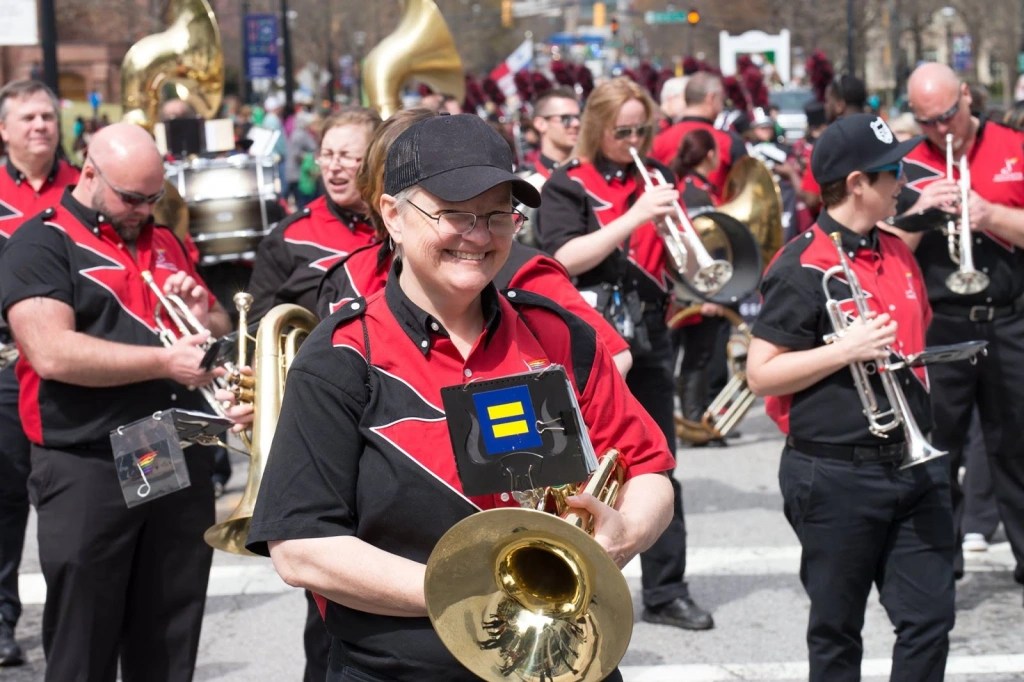
Ugena at higher weight, marching with the Atlanta Freedom Bands and about to play mellophone
Hello, friends! I’m thrilled to share that my blog is getting a fresh start under a new name: “The Front Porch Professor.” This new space will continue to feature the reflections, stories, and observations you’ve enjoyed, with a renewed focus on life, learning, and the journey ahead—all with a touch of Southern charm.
I’m currently working on exporting all my posts from Just Keep Swimming to the new blog, so nothing will be lost. If you’ve been following here, I hope you’ll join me on this new adventure! With any luck, your subscription will carry over seamlessly, but if not, I’ll share the link to the new blog soon so you can continue following along.
Thank you for your support and encouragement—stay tuned for updates and more from “The Front Porch Professor.”
Note: The following essay was submitted in draft form for a collection to which I was invited to contribute called “Letters to the Field” (of curriculum studies). The call was in 2021, and the theme of the book was to be reflections on the dumpster fire that was the year 2020. Each piece was to be handwritten in the author’s preferred style and format. The book may be in production. If so, here’s what my entry will be. If not, here’s what it would have been. Enjoy.
Hello, Field.
I hope you are well. As I write, we are mid-way through 2021, which seems incredible. Time has been “out of joint” since March 2020. I sat in my office and watch seasons pass; each time I stepped outside, I was stepping into a different season. It was nearly a year and a half before I traveled to see my family, and I still have not seen my grandchildren. How did I fare? Well, I’m introverted, so for a long while, the virtual/remote situation was ideal. Like most everyone, I enjoyed pajama Zooms and working at my own pace. After 15 months, I found myself searching for webinars to join during the day, just to feel plugged in professionally. This was most unusual for me. And you? I noticed several calls for works about Covid and race in the U.S. I see that your various conferences made valiant virtual attempts as did others. I suppose, then, it was not an ideal situation for most of us.
Truthfully, I was a spectator to the last two years. Being at home made it easy to self-isolate. And I did not write a word about either pandemic–Covid 19 or Black Lives. I’ve thought about why not. During 2020 I was finishing a Master of Divinity degree from seminary. From March 2020 to March 2021, I followed nothing but Covid until I got my vaccines. I tracked the death toll. In late spring and summer, I watched cities burn as we paid a collective price for the sin of racism. It was also an election year–after 4 years of having Donald J. Trump as the U.S. president. I watched as a dispicable, weak, narcissistic emperor with no clothes attempted a coup–aided and abetted by dispicable, weak, narcissistic congressional and state legislative sycophants.On January 6, I watched, jaw dropped, the coup attempt unfold, when the U.S. Capitol was stormed on live tv as Congress was about to certify the election results anyway. I was weary and suffering from media overload. I tuned in and cried on an Inauguration Day, which was blessedly uneventful.
I cried two other times in 2020. Both took place the first weekend I visited my parents in over a year. We were sitting around having coffee when my daddy–dismissing Mother’s cautioning against it–brought up politics. It’s important to him that we find common ground in his conservative worldview. “The US isn’t a democracy any more. We’re somewhere in the middle of Socialism and Communism.” Now, I’m not going to unpack any of that or sort out the concepts. I replied as long as we have free elections, we have something of a Republic still. Then my mom drove home the point. She said the election was rigged. That was it. I had a meltdown, which I won’t describe, other than to say I began to cry. The conversation, thankfully, ended. Daddy moved on.
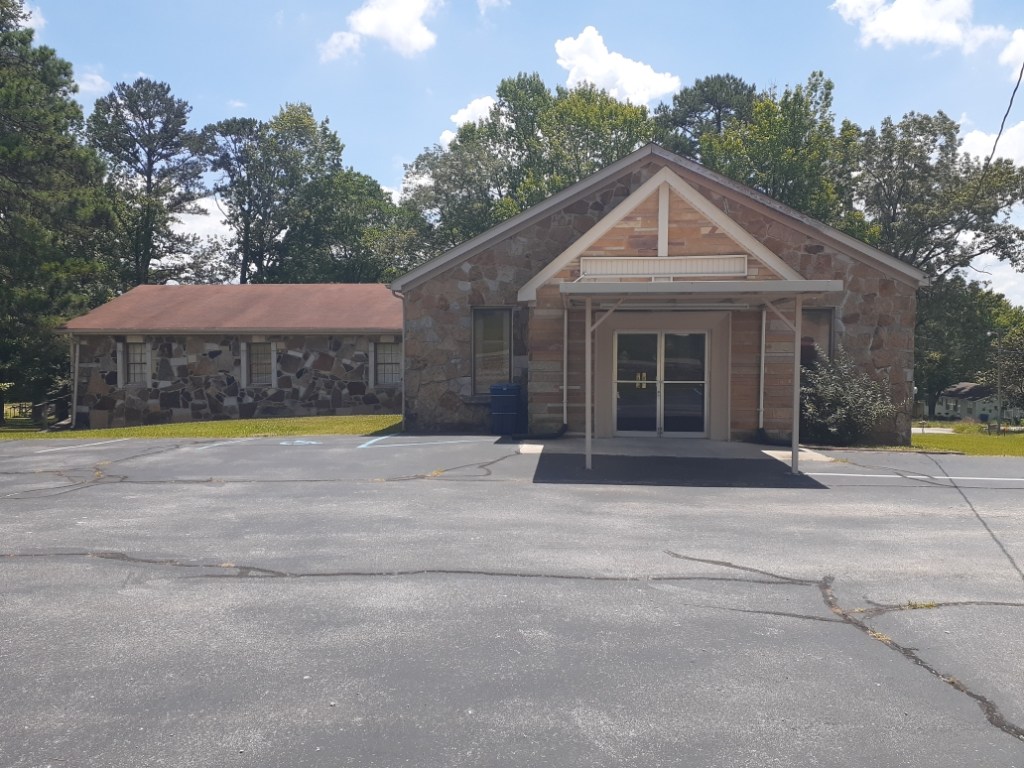
The following day, Sunday, I was moved to tears again; however, the context and feeling were entirely different. My parent’s church, the one I grew up in, was still distancing for Covid. A handful went inside the building, yet there was still a “drive-in” option in the parking lot. The Elders had purchased a transmitter, and people were directed to tune their radios to 92.5, where they could hear the service. The rest of my family worshipped inside, but I, now feeling like a full-fledged outsider, changed my dial. Daddy gave the welcome and announcement, and I smiled as his voice came from my car’s speakers. Then the congregation turned in their hymnals to the opening song. Then the old, familiar hymns began, songs for which I did not need a song book. I knew all the verses of all the songs. Then the contentment and peace that comes from losing oneself in music came over me. I didn’t care how I might have looked to those driving in or driving by.
I am sure you’ve received plenty of letters i that are emphatic about our field never having been as relevant and necessary (!) as it is now. We are poised, they will say, to address the contexts of the Age of Pandemics. I know this because at every crisis point since Curriculum Theory has existed, we have made those proclamations. And we are not wrong. Yet, here we are again. So, Field, what are your intentions? I’m reading over my stories above, and have a “more things change more they stay the same” moment. In the years that I’ve worked as an administrator and stepped back from curriculum theory writing, convictions of white Southerners (whites everywhere?) have deepened. As time has passed, the difference is that now they are sanctioned by politicians who court them as their voting base. The implications of radical conservative politics ranges promoting the Big Lie of voter fraud to the All Lives Matter refrain to righteous, nationalistic indignation at being directed to wear a mask to prevent the spread of a highly contaigous and deadly disease. This week, parents are protesting our local school district because a white school board member sent them a video link that features a video with the “real truth” about masks: they don’t work (and neither does the vaccine). The danger, then, of curriculum studies of Southern place is more discernable for me. But so is the necessity of doing it.
Don’t I have anything positive to contribute in terms of being central to the present moment? Same old, same old, I guess. I will continue going to the conferences and publishing in the journals. After all, we have to put our work somewhere. At those conferences, we will continue to look for ways to put our theorizing into activism. I suspect we will write very sternly worded letters and post them on our websites. We will do what we can to advance the field so that there is a place to post the letters. Mostly, we will tell ourselves that ours is the New Fresh Next Voice that will change the world and make it more equitable and inclusive. Why so negative, you ask. I suppose it’s because we’ve been telling ourselves this for all these years. Truth is, I stepped back for 6 years in part because I could not see that I was making any difference with you, dear Field. The biggest difference has been in me. I am changed from the writing and from the politics and social untethering. I am changed by COVID-19. Administration has changed me and so has studying for the ministry. I’m older, more seasoned, and yes, resigned to the way the world keeps turning.

Writing curriculum theory is not so unlike studying for ministry in that both look for ways to connect with the human spirit in a world that cares very little for the spirit. So in the end, the real question for me is not whether there is a place for my curriculum theory at your table but rather for your table in my curriculum theory. Really, it’s not me it’s you.
And that, in the end, is what my divine nudger whispers to me.
In 1973, Cliff Robertson starred in an ABC Movie of the Week production of Edward Everett Hale’s story, “The Man Without a Country.” In it, an American officer is being court martialed for consorting with Aaron Burr. He wanted to make a point about the disunity of the new country and so blurted out, “Damn the United States! I wish I may never hear of the United States again!” The judge took him at his word, and in a rather pissy move, sentenced Philip Nolan to spend the rest of his life sailing the seas on American warships without ever setting foot on or hearing any news about the U.S. again. It’s one of my favorite stories (and made for tv movies!). I have thought about it a lot over the last few weeks. I think–even though I get the point Nolan was making (kind of like Rev. Jeremiah Wright’s in 2007, see https://abcnews.go.com/Blotter/DemocraticDebate/story?id=4443788&page=1), my wistful call would be, “Bless the United States! I sure would like to live in ‘United’ States again.”
I took a break from blogging regularly over the last four years to go to seminary. In fact, the election of 2016 was a big reason I decided to go to seminary. I had a low, sick feeling more and more people would be hurting, and I wanted to be able to offer spiritual care. If you want to say I had a call, that was it. And that was before Covid-19, kids in cages, Russia and Ukraine, Charlottesville, Black Lives Matter, George Floyd, corporate deregulations, revocation of environmental protections, withdrawals from the Iran Deal and Paris Climate Agreement, Jeff Sessions, William Barr, Brett Kavanaugh, insurrection, embracing of dictators, Kenosha, Cruz & Hawley, QAnon, Seattle, Jeffrey Epstein, Harvey Weinstein, The Big Lie, The Year 2020–and more that I could name, like these, off the top of my head. And oh yeah, did I mention Covid-19?
It is not hard to see, as all major news outlets and commentators are reporting, how every day of the last four years led directly to here. Radical insurrectionists planned for months to descend upon Washington, D.C. to be directed by the President of the United States to storm the U.S. Capital while Congress was in session. The President and members of Congress–bolstered by Republican led state legislatures–actually expected and attempted to overturn legally certified (by Republican legislatures) election results. Both Democrat Congresspersons and Republicans who voted to approve the Electoral College results–including the Vice President of the United States–are afraid they will be hurt or killed. By their congressional colleagues and their supporters. Some members have been attacked in airports; others are switching up their daily routines to throw would be attackers off. Representative Alexandria Ocasio-Cortez posted on Instagram she was afraid her colleagues would help the insurrectionists kill her. Let that sink in. https://www.nbcnews.com/video/alexandria-ocasio-cortez-tells-instagram-i-thought-i-was-going-to-die-during-capitol-riot-99380293747
(Not a Civil War era picture)
I am still trying to form coherent thoughts about our United States at the end of a four-year dumpster fire. I am trying to see, as I have begun to do since seminary, where God is in all of it. Here is a ramdom list of (what I think are) relevant thoughts on the country on the eve of Joe Biden’s inauguration. Really random.
For about one day I was able to feel a lightness of spirit as Georgia, the state I live in now, replaced two Republican senators with two Democrats, one, the first Black Georgia Senator ever. That was on January 5.
Black people and white people do not live in the same country. Where White people are angry, fearful, frustrated, and shocked at the events over the last four years, Black people are shaking their heads saying, “We tried to tell y’all.” This is how it feels. As activist Kimberly Jones said, “Be glad Black people aren’t seeking revenge” (https://www.youtube.com/watch?reload=9&v=YPfeg6E52nA). To reiterate: Black people AREN’T seeking revenge.
Related: White people, People of Color are going to outnumber us in a couple of decades–in our lifetime. Start living now like that is a fact.
Related: If you are worried about a “way of life,” or “American values,” or “The American Way” going away, you are resisting the above fact.
A Confederate flag was paraded through the United States Capital on January 6, 2020. Even Robert E. Lee was not able to do this.
Related: A gallows with an expert looking noose was set up on Capital grounds on the same day.
Gallows & Noose, U.S. Capital
It is looking more and more like the insurrectionists were led on recon tours by Congresspersons and Congressional Staff.
The President is not The Godfather. He cannot call up and strong arm Secretaries of State or State Legislators to find votes that simply were not there. Everybody knew, including him, that they were not there. He and the radicals just wished they were.
Concealed Carry is not a good idea. I don’t see how anybody could say it was ever a good idea. People voted for it anyway. Same with Campus Carry. Nineteen year olds with weapons. Again, who thinks that is a good idea?
Related: Nobody is coming for your (hunting, social, skeet, toy, cigarette lighter, BB) guns.
The President is using Christians. Christians please realize this.
Hillary Clinton’s statement about “The Deplorables,” taken out of context, helped lose her the election. Donald Trump looked at his supporters and called them low class. Please be insulted by that, too.
I knew the day Tommy Tuberville announced he was running for U.S. Senate he would be elected by the good people of Alabama. Even Alabama Fans (Roll Tide!) voted for the former Auburn football coach.
Coach Senator Tuberville stated the three Constitutionally established branches of government are the House, the Senate, and the Executive. They aren’t. (Legislative, Executive, Judicial). If there are tests to become teachers, lawyers, accountants, doctors, airplane pilots, and drivers, we might think about having one for members of Congress. It wouldn’t have to be that hard.
Between Tuberville, Congressman Mo Brooks, and Jeff Sessions, Alabama has done enough for the country for awhile.
There did not have to be 400,000 deaths from Covid-19 in the U.S.
Related: There are places in this country where if your last chance to live is in an ambulance. If you can’t be revived there, you die. ERs are full.
Science and God are not at odds with one another. Science and religion are.
“My individual rights and my Freedom of Religion” should not be used as excuses or weapons for not doing what you want. See above about Christians being used.
Radical Far-Right Extremism is the biggest threat to this country right now. They were hiding and secretive about their destruction until Donald Trump validated their voice and they came out into the open.
Far-Right Extremism is White Supremacy is Far-Right Extremism.
Read the above again.
Fear of liberals and Democrats and Republicans and progressives is irrational. Fear of extremists is not. Decent people can become radicalized to not see this.
Related: I have written before that MAGA people are angry. Maybe not all of them are, but some are, and they are also strategic.
They were there too.
Those Senators and Congressmen must really love their jobs (power, privilege, status) if they are willing to make excuses for Donald Trump and not get rid of him when they had the chance. I don’t know how it is a question as to whether to vote to ban him from running for office again.
Related: If they don’t vote to ban Donald Trump for running for office again, NONE OF THEM will have a chance at a 2024 presidential run.
Related: Donald Trump is far from finished in his influence over conservative Americans.
It only took 4 years for near-total devastation of capitalist-based democracy to almost colapse on January 6. Some Republicans condescendingly said asked after the November election, “What can it hurt to humor the President for these last few weeks?” See January 6. Now you know.
Indellible image of insurrectionists storming the Capital on January 6, 2021
That’s enough for now. I’ll be back with more. Looking over my list, I realize my hunch in 2016 was right. People are hurting–and are hurting each other. I believe that love is the answer. That we scoff at that thought as empty, powerless, and trite, is part of the problem. It says a lot about how so very necessary love is. More on this later.
As part of my UCC Sacred Conversations to End Racism (SC2ER) class, I collected these resources from online sources. Although I blatantly lifted them, I have cited the source links. It’s a lot~~so keep scrolling for the hot links!
Van Sertima, Ivan, They Came Before Columbus: The African Presence in Ancient America, (New York, NY: Random House, 1976).
Ortiz, Paul. An African American and Latinx History of the United States. (Boston, MA: Beacon Press, 2018).
Higginbotham, Leon A., Jr., Shades of Freedom: Racial Politics and Presumptions of the American Legal Process, (New York, NY: Oxford Press, 1996).
Morrison, Toni, The Origins of Others, (Cambridge, MA: Harvard University Press, 2017).
Boesak, Allan Aubrey, Curtiss DeYoung, Radical Reconciliation: Beyond Political Pietism and Christian Quietism, (Maryknoll, NY: Orbis Book, 2012).
DiAngelo, Robin, What Does It Mean To Be White? Developing White Racial Literacy, (Peter Lang Publishing, 2012). ________ White Fragility: Why It’s So Hard For White People to Talk About Racism, (Boston, MA: Beacon Press, 2018).
Resmaa, Menakem, My Grandmother’s Hands: Racialized Trauma and the Pathway to Mending Our Hearts and Bodies, (Central Recovery Press: Las Vegas, NV, 2017).
Mills, Charles, The Racial Contract, (Ithaca, NY: Cornell University Press, 1997).
Baptist, Edward E., The Half Has Never Been Told: Slavery and the Making of American Capitalism, (New York, NY: Basic Books, 2014).
Introducing Womanist Theology – Stephanie Y. Mitchem
An Introduction to Womanist Biblical Interpretation – Nyasha Junior
Sisters in the Wilderness: The Challenges to Womanist God-Talk – Delores S. Williams
Enfleshing Freedom, body, race, and being, — M. Shawn Copeland
Embracing the Spirit: Womanist Perspectives on Hope, Salvation & Transformation – Emile M. Townes
Women Race and Class – Angela Davis Freedom is a Constant Struggle: Ferguson, Palestine and the Foundations of a Movement
The James Cone Collection
For My People: Black Theology and the Black Church: Black Theology and the Life of the Church (Bishop Henry McNeal Turner Studies in North American Black Book
Said I Wasn’t Gonna Tell Nobody: The Making of a Black Theologian
A Black Theology of Liberation – Fourtieth Anniversary Edition
Black Theology and Black Power
God of the Oppressed
Latinx and Mujerista Resources
Mujerista Theology – A Theology for the Twenty-First Century, Ada Maria Isasi-Diaz
A Reader in Latina Feminist Theology: Religion and Justice, Maria Pilar Aquino
Decolonizing Biblical Studies: A View from the Margins, A Postcolonial Commentary on the New Testament, Fernando F. Sergovia
Racism and God-Talk: A Latino/A Perspective – Ruben Rosario Rodriguez
The Ties That Bind: African American and Hispanic American/Latino/a Theologies in Dialogue – Anthony B. Pinn and Benjamin Valentin
Harvest of Empire: A History of Latinos in America – Juan Gonzalez
Asian and Asian American Resources
Heart of the Cross: A Postcolonial Christology, Anne Joh
Making Paper Cranes: Toward an Asian American Feminist Theology, Mihee Kim-Kort
Prophetic Lament: A Call for Justice in Troubled Times, Soong Chan Rah
Off the Menu: Asian and Asian North American Women’s Religion and Theology, Rita Brock
Postcolonial Bible (Bible and Postcolonial), R.S. Sugirtharajah
Voices from the Margins, R.S Sugirtharajah
The Myth of the Model Minority: Asian Americans Facing Racism, Rosalind S. Chou and Joe Feagin
For more Racial Justice Resources and information contact Rev. Dr. Velda Love Lovev@ucc.org
Anti-Racist Reading List from Ibram X. Kendi
By: R Rattusnorvegicus Chicago Public Library Community-created list
“This anti-racist syllabus is for people realizing they were never taught how to be anti-racist. How to treat all the racial groups as equals. How to look at the racial inequity all around and look for the racist policies producing it, and the racist ideas veiling it. This list is for people beginning their anti-racist journey ..” Ibram X. Kendi (author of “How to Be an Antiracist”)
Fatal Invention How Science, Politics, and Big Business Re-create Race in the Twenty-first Century by Roberts, Dorothy
Stamped From the Beginning: The Definitive History of Racist Ideas in America by Kendi, Ibram X.
White Fragility: Why It’s So Hard for White People to Talk About Racism by DiAngelo, Robin J.
Locking up Our Own: Crime and Punishment in Black America by Forman, James
I Know Why the Caged Bird Sings by Angelou, Maya
The Autobiography of Malcolm X by X, Malcolm
Redefining Realness: My Path to Womanhood, Identity, Love & So Much More by Mock, Janet
Eloquent Rage: A Black Feminist Discovers Her Superpower by Cooper, Brittney C.
Heavy: An American Memoir by Laymon, Kiese
The Fire Next Time by Baldwin, James
Sister Outsider: Essays and Speeches by Lorde, Audre
Between the World and Me by Coates, Ta-Nehisi
The Fire This Time by Kenan, Randall
The Half Has Never Been Told: Slavery and the Making of American Capitalism
The Price for Their Pound of Flesh: The Value of the Enslaved, From Womb to Grave, in the Building of A Nation by Berry, Daina Ramey
Reconstruction: America’s Unfinished Revolution, 1863-1877 by Foner, Eric
Slavery by Another Name: The Re-enslavement of of Black Americans From the Civil War to World War II by Blackmon, Douglas A.
The New Jim Crow: Mass Incarceration in the Age of Colorblindness by Alexander, Michelle
The Condemnation of Blackness: Race, Crime, and the Making of Modern Urban America by Muhammad, Khalil Gibran
The Color of Law: A Forgotten History of How Our Government Segregated America by Rothstein, Richard
The Origins of the Urban Crisis: Race and Inequality in Postwar Detroit by Sugrue, Thomas J.
The Warmth of Other Suns: The Epic Story of America’s Great Migration by Wilkerson, Isabel
A More Beautiful and Terrible History: The Uses and Misuses of Civil Rights History by Theoharis, Jeanne
Cold War Civil Rights: Race and the Image of American Democracy by Dudziak, Mary L.
Too Heavy A Load: Black Women in Defense of Themselves, 1894-1994 by White, Deborah G.
When and Where I Enter: The Impact of Black Women on Race and Sex in America by Giddings, Paula
From the War on Poverty to the War on Crime: The Making of Mass Incarceration in America by Hinton, Elizabeth Kai
Are Prisons Obsolete? by Davis, Angela Y.
Just Mercy: A Story of Justice and Redemption by Stevenson, Bryan
Roots by Haley, Alex
North of Slavery: The Negro in the Free States, 1790-1860 by Litwack, Leon F.
They Can’t Kill Us All: Ferguson, Baltimore, and A New Era in America’s Racial Justice Movement by Lowery, Wesley
From #BlackLivesMatter to Black Liberation by Taylor, Keeanga-Yamahtta
Give Us the Ballot: The Modern Struggle for Voting Rights in America by Berman, Ari
One Person, No Vote: How Voter Suppression Is Destroying Our Democracy by Anderson, Carol
Antiracism: An Introduction by Zamalin, Alex
How To Be An Antiracist by Kendi, Ibram X.
The Racial Healing Handbook: Practical Activities to Help You Challenge Privilege, Confront Systemic Racism & Engage in Collective Healing by Singh, Anneliese A.
The Wellbeing Handbook for Overcoming Everyday Racism: How to Be Resilient in the Face of Discrimination and Microagressions by Cousins, Susan
The Inner Work of Racial Justice: Healing Ourselves and Transforming Our Communities Through Mindfulness by Magee, Rhonda V.
The Black and the Blue: A Cop Reveals the Crimes, Racism, and Injustice in America’s Law Enforcement by Horace, Matthew
Chokehold: Policing Black Men by Butler, Paul
Citizen: An American Lyric by Rankine, Claudia
Democracy in Black: How Race Still Enslaves the American Soul by Glaude, Eddie S.
Eloquent Rage: A Black Feminist Discovers Her Superpower by Cooper, Brittney C.
Fire Shut up in My Bones: A Memoir by Blow, Charles M.
I’m Still Here: Black Dignity in A World Made for Whiteness by Brown, Austin Channing
Me and White Supremacy: Combat Racism, Change the World, and Become A Good Ancestor by Saad, Layla F
My Midnight Years: Surviving Jon Burge’s Police Torture Ring and Death Row by Kitchen, Ronald
No Ashes in the Fire: Coming of Age Black & Free in America by Moore, Darnell L.
On the Other Side of Freedom: The Case for Hope by Mckesson, DeRay
Solitary: Unbroken by Four Decades in Solitary Confinement : My Storory of Transformation and Hope by Woodfox, Albert
So You Want to Talk About Race by Oluo, Ijeoma
Tears We Cannot Stop: A Sermon to White America by Dyson, Michael Eric
Things That Make White People Uncomfortable by Bennett, Michael
This Will Be My Undoing: Living at the Intersection of Black, Female, and Feminist in (white) America by Jerkins, Morgan
What Doesn’t Kill You Makes You Blacker: A Memoir in Essays by Young, Damon
When They Call You A Terrorist: A Black Lives Matter Memoir by Khan-Cullors, Patrisse
Why Are All the Black Kids Sitting Together in the Cafeteria? And Other Conversations About Race by Tatum, Beverly Daniel
Healing Racial Trauma: The Road to Resilience by Rowe, Sheila Wise
This Book Is Anti-racist by Jewell, Tiffany
I Am Not your Negro: A Major Motion Picture Directed by Raoul Peck by Baldwin, James
Begin Again: James Baldwin’s America and Its Urgent Lessons for Our Own by Glaude, Eddie S.
An Antiracist Reading List NY Times, compiled by Ibram X. Kendi
BIOLOGY
FATAL INVENTION: How Science, Politics, and Big Business Re-create Race in the Twenty-First Century By Dorothy Roberts
No book destabilized my fraught notions of racial distinction and hierarchy — the belief that each race had different genes, diseases and natural abilities — more than this vigorous critique of the “biopolitics of race.” Roberts, a professor at the University of Pennsylvania, shows unequivocally that all people are indeed created equal, despite political and economic special interests that keep trying to persuade us otherwise. New Press, 2011
ETHNICITY
WEST INDIAN IMMIGRANTS: A Black Success Story? By Suzanne Model
Some of the same forces have led Americans to believe that the recent success of black immigrants from the Caribbean proves either that racism does not exist or that the gap between African-Americans and other groups in income and wealth is their own fault. But Model’s meticulous study, emphasizing the self-selecting nature of the West Indians who emigrate to the United States, argues otherwise, showing me, a native of racially diverse New York City, how such notions — the foundation of ethnic racism — are unsupported by the facts. Russell Sage Foundation, 2008
BODY
THE CONDEMNATION OF BLACKNESS: Race, Crime, and the Making of Modern Urban America By Khalil Gibran Muhammad
“Black” and “criminal” are as wedded in America as “star” and “spangled.” Muhammad’s book traces these ideas to the late 19th century, when racist policies led to the disproportionate arrest and incarceration of blacks, igniting urban whites’ fears and bequeathing tenaciously racist stereotypes. Harvard University, 2010
CULTURE
THEIR EYES WERE WATCHING GOD By Zora Neale Hurston
Of course, the black body exists within a wider black culture — one Hurston portrayed with grace and insight in this seminal novel. She defies racist Americans who would standardize the cultures of white people or sanitize, eroticize, erase or assimilate those of blacks. 1937
BEHAVIOR
THE NEGRO ARTIST AND THE RACIAL MOUNTAIN By Langston Hughes
“We younger Negro artists who create now intend to express our individual dark-skinned selves without fear or shame,” Hughes wrote nearly 100 years ago. “We know we are beautiful. And ugly too.” We are all imperfectly human, and these imperfections are also markers of human equality. The Nation, June 23, 1926
COLOR
THE BLUEST EYE By Toni Morrison
THE BLACKER THE BERRY By Wallace Thurman
Beautiful and hard-working black people come in all shades. If dark people have less it is not because they are less, a moral eloquently conveyed in these two classic novels, stirring explorations of colorism. 1970 | 1929
WHITENESS
THE AUTOBIOGRAPHY OF MALCOLM X By Malcolm X and Alex Haley
DYING OF WHITENESS: How the Politics of Racial Resentment Is Killing America’s Heartland By Jonathan M. Metzl
Malcolm X began by adoring whiteness, grew to hate white people and, ultimately, despised the false concept of white superiority — a killer of people of color. And not only them: low- and middle-income white people too, as Metzl’s timely book shows, with its look at Trump-era policies that have unraveled the Affordable Care Act and contributed to rising gun suicide rates and lowered life expectancies. 1965 | Basic Books, 2019
BLACKNESS
LOCKING UP OUR OWN: Crime and Punishment in Black America By James Forman Jr.
Just as Metzl explains how seemingly pro-white policies are killing whites, Forman explains how blacks themselves abetted the mass incarceration of other blacks, beginning in the 1970s. Amid rising crime rates, black mayors, judges, prosecutors and police chiefs embraced tough-on-crime policies that they promoted as pro-black with tragic consequences for black America. Farrar, Straus & Giroux, 2017 (Read the review.)
CLASS
BLACK MARXISM: The Making of the Black Radical Tradition By Cedric J. Robinson
Black America has been economically devastated by what Robinson calls racial capitalism. He chastises white Marxists (and black capitalists) for failing to acknowledge capitalism’s racial character, and for embracing as sufficient an interpretation of history founded on a European vision of class struggle. Zed Press, 1983
SPACES
WAITING ’TIL THE MIDNIGHT HOUR: A Narrative History of Black Power in America By Peniel E. Joseph
As racial capitalism deprives black communities of resources, assimilationists ignore or gentrify these same spaces in the name of “development” and “integration.” To be antiracist is not only to promote equity among racial groups, but also among their spaces, something the black power movement of the 1960s and 1970s understood well, as Joseph’s chronicle makes clear. Holt, 2006
GENDER
HOW WE GET FREE: Black Feminism and the Combahee River Collective Edited by Keeanga-Yamahtta Taylor
WELL-READ BLACK GIRL: Finding Our Stories, Discovering Ourselves Edited by Glory Edim
I began my career studying, and too often admiring, activists who demanded black (male) power over black communities, including over black women, whom they placed on pedestals and under their feet. Black feminist literature, including these anthologies, helps us recognize black women “as human, levelly human,” as the Combahee River Collective demanded to be seen in 1977.
SEXUALITY
REDEFINING REALNESS: My Path to Womanhood, Identity, Love & So Much More by Janet Mock
I grew up in a Christian household thinking there was something abnormal and immoral about queer blacks. My racialized transphobia made Mock’s memoir an agonizing read — just as my racialized homophobia made Lorde’s essays and speeches a challenge. But pain often precedes healing.
Atria, 2014 | Crossing Press, 1984
By not running from the books that pain us, we can allow them to transform us. I ran from antiracist books most of my life. But now I can’t stop running after them — scrutinizing myself and my society, and in the process changing both. Ibram X. Kendi
Miss Juneteenth, a new movie about a former beauty queen and single mom preparing her rebellious teenage daughter for the “Miss Juneteenth” pageant in Texas
“The Death of George Floyd, In Context,” by Jelani Cobb of The New Yorker
“Of Course There Are Protests. The State Is Failing Black People,” by Keeanga-Yamahtta Taylor for the New York Times
“This Is How Loved Ones Want Us To Remember George Floyd,” by Alisha Ebrahimji for CNN.
The New York Times Magazine’s award-winning The 1619 Project is as important as ever. Take some time to read (or re-read) the entire thing, particularly this essay by Nikole Hannah-Jones
“You shouldn’t need a Harvard degree to survive birdwatching while black,” by Samuel Getachew, a 17-year-old and the 2019 Oakland youth poet laureate, for the Washington Post
“It’s exhausting. How many hashtags will it take for all of America to see Black people as more than their skin color?” by Rita Omokha for Elle
Hear To Slay, “the black feminist podcast of your dreams,” with Roxane Gay and Tressie McMillan Cottom
Pod Save The People, organizer and activist DeRay Mckesson explores news, culture, social justice, and politics with analysis from fellow activists Brittany Packnett, Sam Sinyangwe, and writer Dr. Clint Smith III
The Appeal, a podcast on criminal justice reform hosted by Adam Johnson
Justice In America, a podcast by Josie Duffy Rice and Clint Smith on criminal justice reform